CATHOLIC PRIEST SAYS POST-ELECTION DIALOGUE POSSIBLE IF ANCHORED ON JUSTICE
POLITICSBy Zambian Observer — Zambian Observer
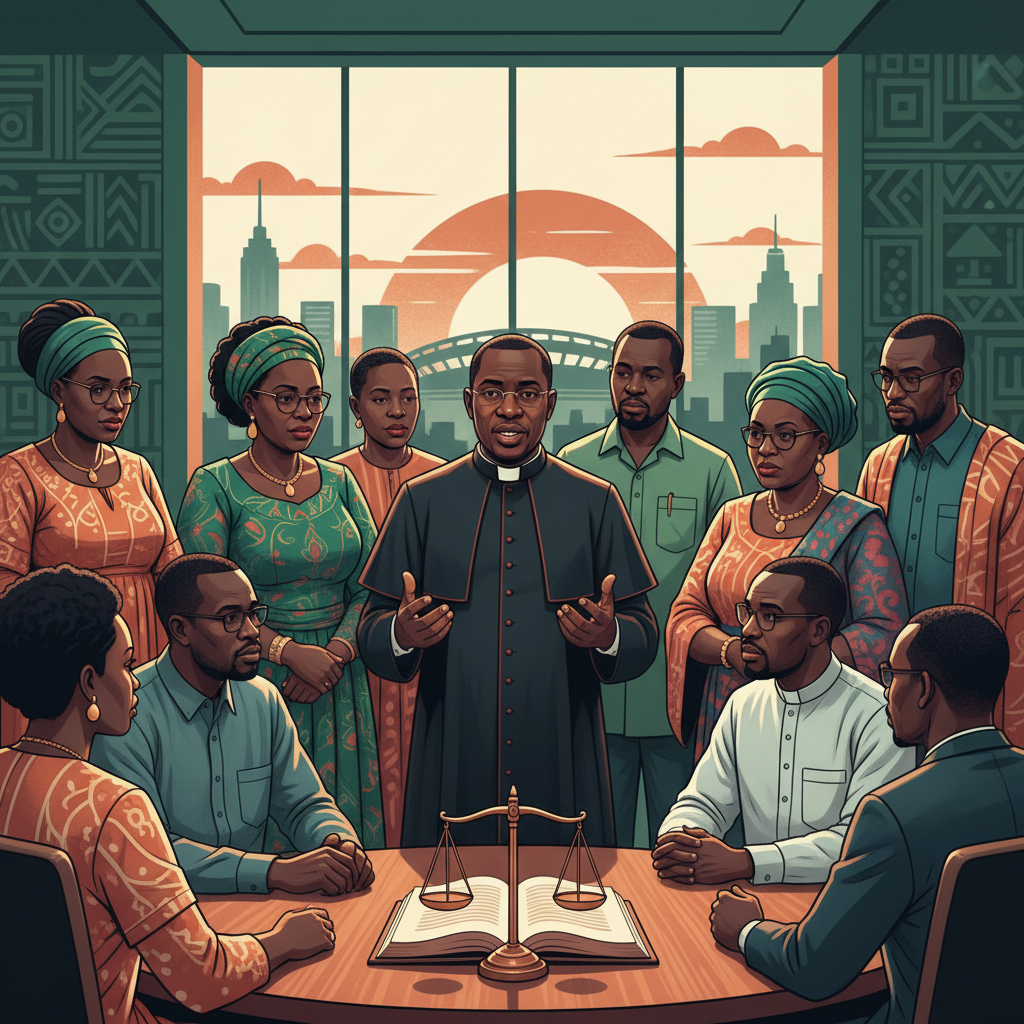
As Zambia navigates the delicate political atmosphere leading up to the general elections, the Catholic Church has once again stepped forward to guide the moral compass of the nation. Catholic Priest Father Augustine Mwewa has asserted that meaningful post-election dialogue is not only desirable but entirely achievable, provided that all participating stakeholders anchor their discussions on absolute justice, transparency, and mutual respect. Speaking on the imperative of maintaining peace, Father Mwewa noted that reconciliation cannot be achieved through superficial political handshakes while underlying grievances remain unaddressed. The remarks come at a time when civil society organizations and religious bodies are intensifying calls for peace-building initiatives across the country. Observers note that political tensions often peak during and after electoral cycles, making pre-emptive and post-election frameworks essential for national stability. Father Mwewa's stance reflects a long-standing tradition of the Zambian clergy acting as neutral arbiters between competing political factions, urging leaders to place national interest above partisan ambitions. In recent months, various stakeholders have debated the mechanics of ensuring a free, fair, and credible electoral process. The Catholic Church, through its extensive network and moral authority, has consistently advocated for institutional reforms and open communication channels. Analysts suggest that the success of any future national dialogue will depend heavily on the willingness of political elites to submit to the tenets of constitutionalism and accountability, ensuring that the voices of ordinary citizens are not sidelined in elite power-sharing arrangements. Furthermore, the call for justice-anchored dialogue resonates deeply with the socio-economic aspirations of ordinary Zambians, who bear the brunt of political instability. Economic recovery and sustainable development require a predictable and pea