True socio political change is rarely driven by the political elite, it is propelled by influential figures like Jay Jay Banda – Munr Zulu
POLITICSBy Zambian Observer — Zambian Observer
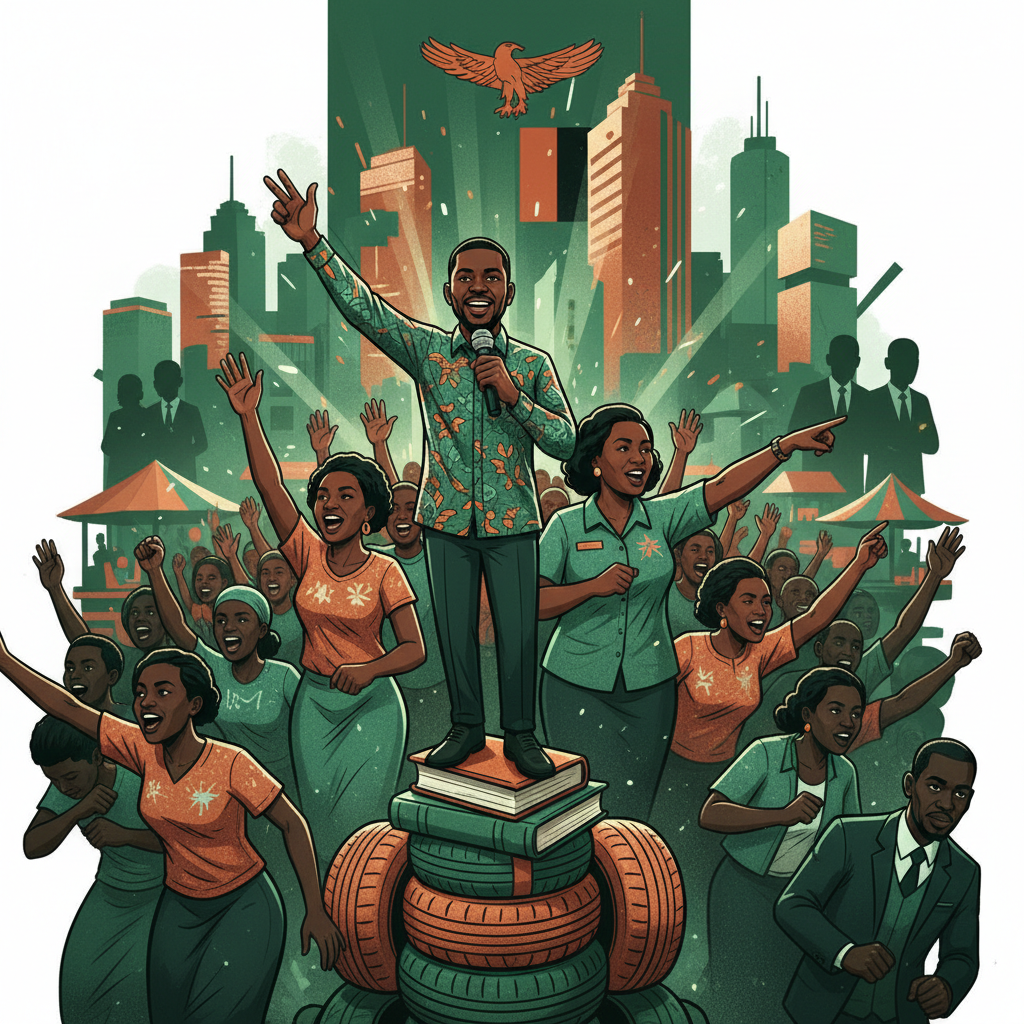
Honourable Munir Zulu has sparked intense public debate by declaring that authentic socio-political transformation is rarely initiated from within the ranks of the traditional political elite. According to Zulu, true systemic change is instead propelled by influential grassroots figures who maintain deep connections with local communities. Speaking on the dynamics of leadership, Zulu pointed to figures like former Petauke Central lawmaker Emmanuel 'Jay Jay' Banda as catalysts who command genuine public resonance beyond the conventional corridors of power. This perspective cuts to the heart of contemporary Zambian political discourse, where the friction between established authority and populist leadership remains palpable. Analysts note that grassroots mobilisers often capture the public imagination by articulating daily socio-economic grievances more effectively than institutional actors. By elevating figures who operate outside traditional party hierarchies, political commentators argue that leaders like Zulu are attempting to redefine the locus of political legitimacy in the country. The commentary also reflects the complex political fallout surrounding high-profile opposition and independent figures in recent years. Emmanuel 'Jay Jay' Banda's tumultuous political journey—marked by dramatic disappearances, legal battles, and regional loyalties—has turned him into a polarising symbol of resistance and state friction. For supporters, such figures embody the struggles of ordinary citizens against institutional overreach, while critics maintain that political actors must remain strictly accountable to the rule of law regardless of their popular appeal. Observers across the political spectrum suggest that Zulu's remarks are calculated to galvanise support in key constituencies where anti-establishment sentiments run high. As Zambia navigates its complex democratic trajectory leading toward future electoral cycles, the debate over whether change is driven by institu