WHERE COULD HAVE BEEN CITIZENS FIRST-CF PARTY IF WE HAD JOINED THE TONSE ALLIANCE?
POLITICSBy Arnold Chanda Chilufya — Zambian Observer
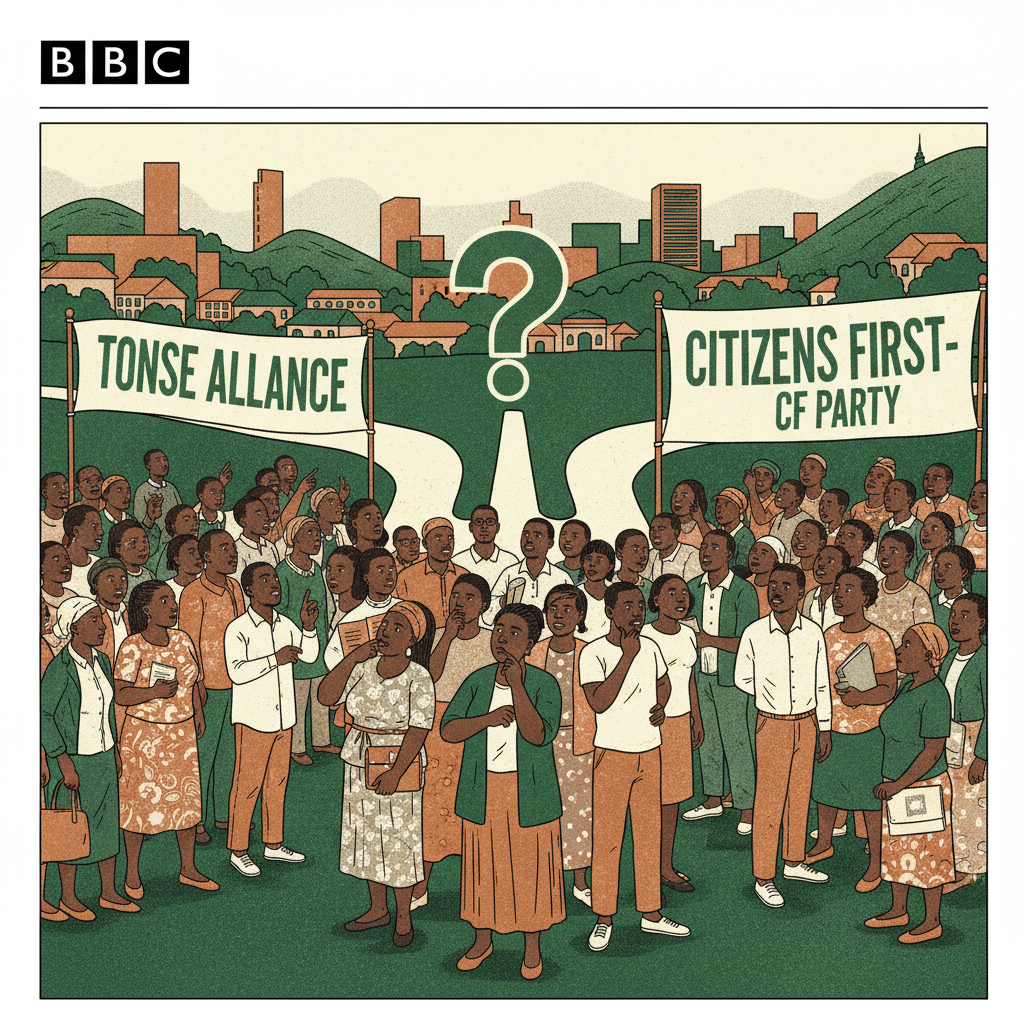
The political landscape in Zambia continues to experience shifts and post-election alignments, with parties evaluating strategic decisions made ahead of the August general elections. Within the Citizens First (CF) party camp, attention has turned to the party's choice to remain independent rather than join the much-talked-about Tonse Alliance. According to Arnold Chanda Chilufya, the Acting CF Media Director, that single choice saved the opposition outfit from political obscurity. Prior to the general elections, intense pressure was exerted on CF President Dr. Harry Kalaba to merge forces with the Tonse Alliance framework. Proponents of the alliance argued that a consolidated front was necessary to maximize electoral impact against incumbent structures. However, internal resistance within CF proved decisive. Party leadership expressed strong reservations that CF would risk being reduced to a mere vehicle for other political ambitions rather than maintaining its core ideological identity. Mr. Chilufya noted that entering into what he termed a marriage of convenience would have compromised the foundational values of the party. By opting to contest independently or face outcomes on their own terms, CF leadership believed they preserved their political dignity. Recent developments within coalitions and alliances have since been cited by party loyalists as vindication, suggesting that various partner factions have faced internal friction and friction over candidate selections and shared mandates. This introspection comes at a critical juncture for Citizens First, which recently announced structural reorganizations, including the dissolution of its Central Committee to pave the way for national rebuilding and mobilization toward future political horizons. Analysts point out that while going solo in Zambian politics often limits immediate electoral competitiveness against entrenched mass movements, it can protect emerging parties from premature fragmentation and identit