SIKOTA ACCUSES DPP OF INCOMPETENCE OVER DELAYED MUNDUBILE TREASON TRIAL
POLITICSBy Namo Phiri — Zambian Observer
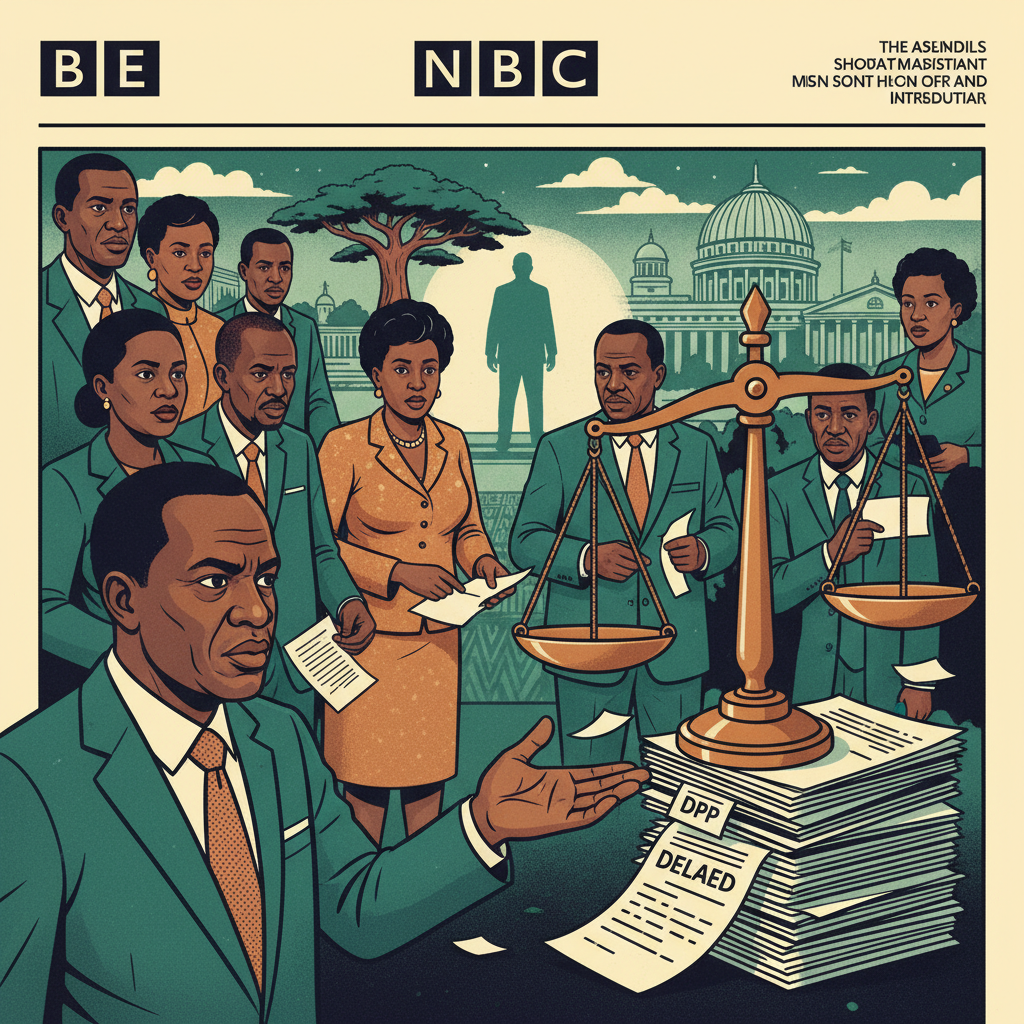
Prominent Zambian lawyer and politician Sakwiba Sikota has strongly condemned the Director of Public Prosecutions (DPP), Gilbert Phiri, labeling his justification for delayed court proceedings in high-profile treason cases as a display of incompetence. Sikota's remarks follow ongoing public debates surrounding the prolonged detention of opposition figures, including presidential candidate Brian Mundubile and co-accused Makebi Zulu, who have remained in custody following their arrests amid heightened political tensions. The controversy erupted after DPP Phiri defended the timeline of the state's investigations by drawing parallels to historical legal precedents, notably the 1985 treason trial of Edward Jack Shamwana, which took several months to reach the courts. Phiri argued that complex criminal matters require meticulous fact-finding, gathering of medical reports, and comprehensive witness statements, urging stakeholders to allow law enforcement agencies adequate time to build robust cases rather than demanding immediate trials upon arrest. However, legal practitioners and civil society actors like Sikota have rejected this stance, asserting that holding suspects indefinitely without presenting them before a competent court violates fundamental constitutional rights and due process. Sikota emphasized that invoking decades-old cases to excuse contemporary delays demonstrates systemic shortcomings within the prosecution framework. Critics maintain that if the state lacks sufficient evidence to formally arraign suspects, the accused must be released rather than subjected to protracted pre-trial detentions that test the limits of constitutional safeguards. The case has ignited broader national discourse concerning the independence of the judiciary and the powers wielded by prosecuting authorities in Zambia. Stakeholders, including church mother bodies and international bodies, have increasingly voiced concerns over the intersection of politics and criminal justice.