Kasama records increase in GBV cases
HEALTHBy Lusaka Times — Lusaka Times
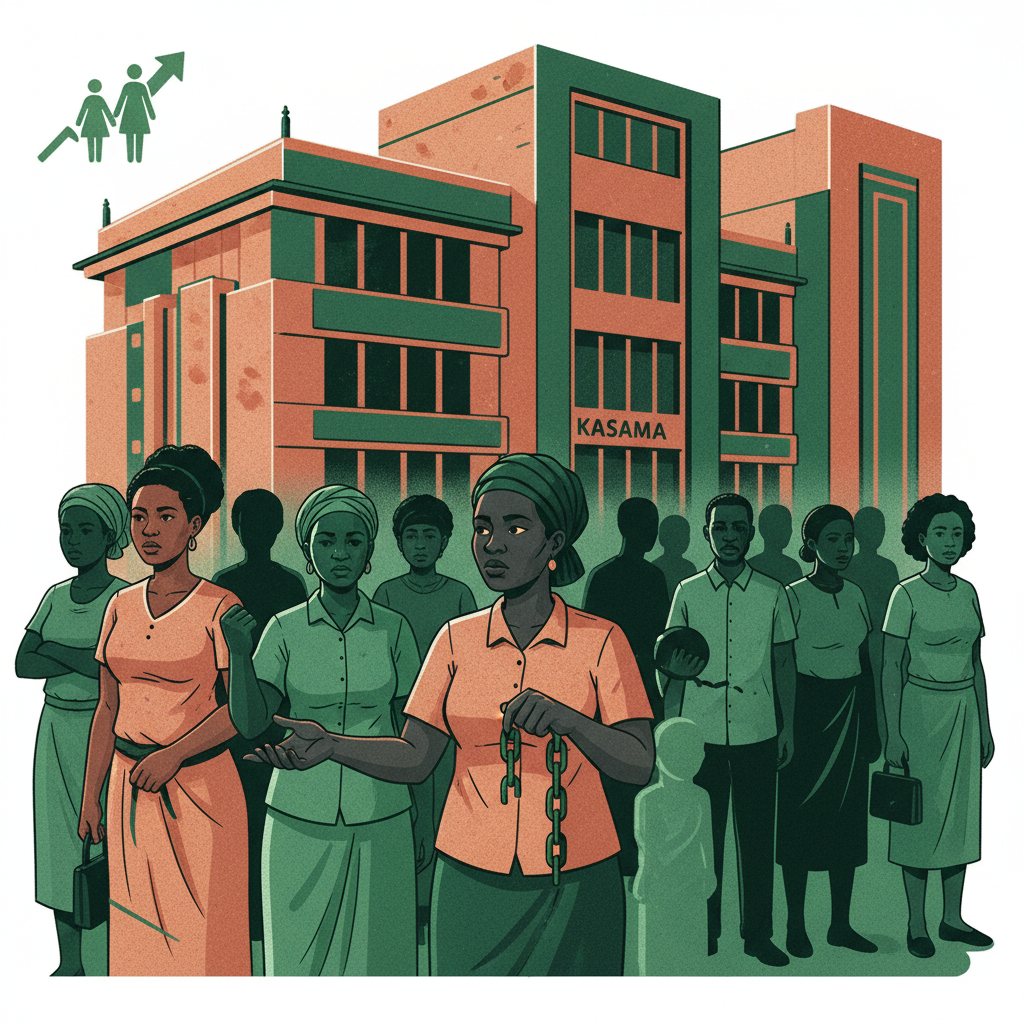
The Kasama District in Zambia's Northern Province has reported a worrying upward trajectory in cases of gender-based violence (GBV), drawing urgent concern from community leaders, health workers, and advocacy groups alike. According to Matilda Mbalamweshi, a psychosocial counselor at the Kasama One Stop Center, the facility has witnessed a steady influx of survivors seeking specialized assistance, medical care, and legal guidance. This surge highlights an ongoing crisis that continues to plague local communities despite sustained national interventions. While an increase in reported numbers often signals a grim reality regarding domestic and societal abuse, experts note that it also reflects greater willingness among survivors to break the silence. The establishment of dedicated facilities such as the Kasama One Stop Center has played a pivotal role in bridging the gap between victims and justice. By offering integrated services—including psychosocial support, medical examinations, and police coordination under one roof—these centers remove logistical barriers that traditionally discouraged victims from coming forward. However, local stakeholders emphasize that institutional infrastructure alone is insufficient to curb the root causes of GBV. Economic hardships, unemployment, and harmful cultural norms continue to exacerbate domestic tensions across Northern Province. Civil society organizations have repeatedly called for intensified community outreach programs, targeting both men and youth to foster alternative conflict resolution strategies and promote gender equality at the grassroots level. Addressing the crisis requires a multi-sectoral approach involving traditional leaders, local government authorities, and law enforcement agencies. Traditional leadership, in particular, holds significant sway in rural and peri-urban parts of Kasama; engaging chiefs and headmen to dismantle patriarchal structures remains vital. Furthermore, strengthening the capacity of th