M’membe Says Renegotiated US$1.5 Billion Health Deal Leaves Zambia Chained To Foreign Aid
POLITICSBy Lusaka Times — Lusaka Times
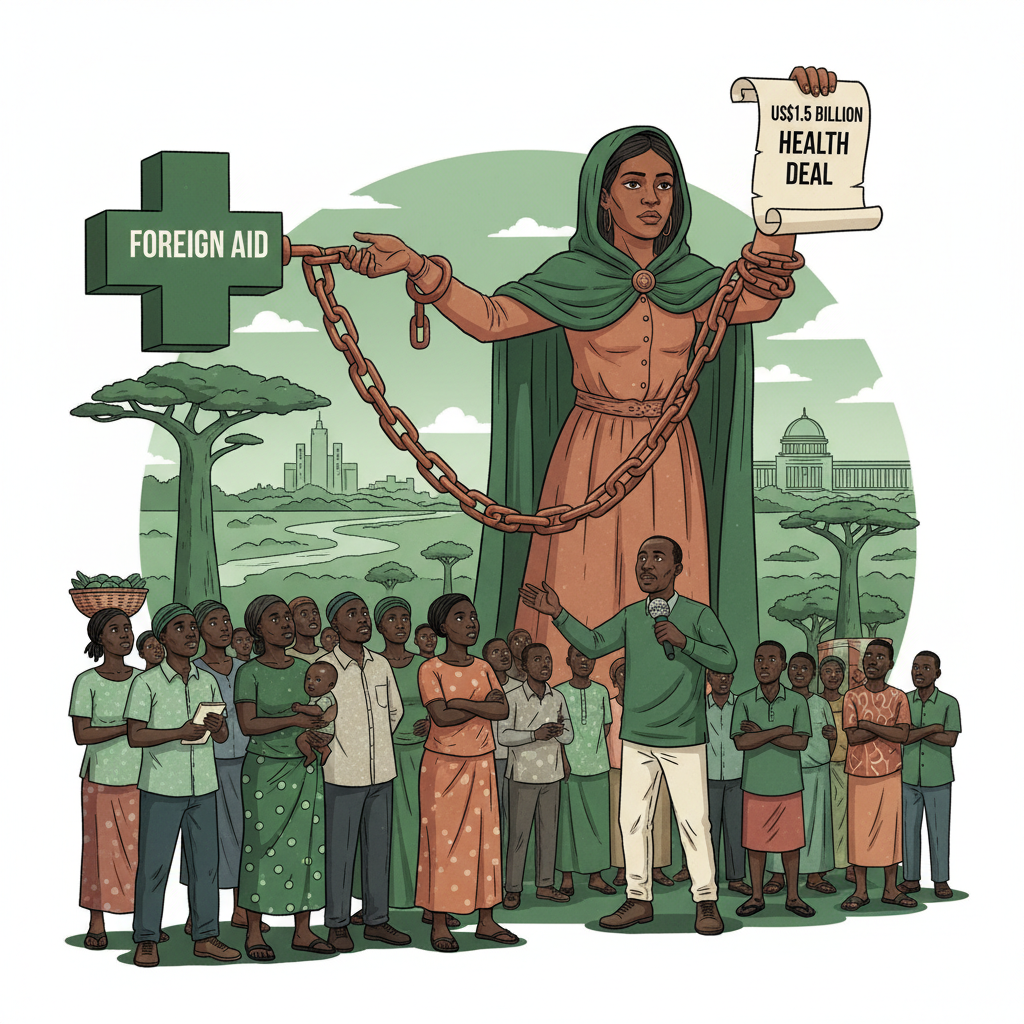
The recent renegotiation and upcoming signing of a US$1.5 billion health compact between the Zambian government and the United States has triggered intense political debate across the country. While the United Press National Development (UPND) administration has hailed the revised five-year agreement as a diplomatic and sovereign victory—noting the removal of contentious clauses concerning patient data and biological specimen sharing—opposition figures remain deeply skeptical. Socialist Party president Dr. Fred M’membe has emerged as one of the most vocal critics, asserting that the multi-billion-dollar framework ultimately fails to liberate the nation from external donor dependency. Dr. M’membe argued that cosmetic adjustments to the text of the Memorandum of Understanding do not alter the fundamental structural power imbalances inherent in foreign aid compacts. According to the opposition leader, accepting substantial external financing for critical domestic sectors like HIV/AIDS, malaria, and maternal healthcare leaves the country vulnerable to shifting geopolitical agendas in Washington. Critics within the socialist camp maintain that true national independence requires domestic resource mobilization rather than leaning on Western financial lifelines, which they claim compromise long-term economic autonomy. Government officials, led by the Ministry of Health, have robustly defended the compact, emphasizing that the finalized terms strictly limit data sharing to program monitoring and evaluation while completely removing provisions that obliged Zambia to surrender biological samples. Health authorities have stressed that the financial injection—bolstered by a domestic co-financing commitment of approximately US$2.1 billion over the five-year period—is indispensable for maintaining public health gains. Officials point out that the U.S. remains a historic and critical partner in combating infectious diseases, and turning down such vital support would severely imp