These endangered wild dogs crossed 2,563 miles through Zambia. Scientists say their journey could help save the species
ENVIRONMENTBy ET Online — The Times of India
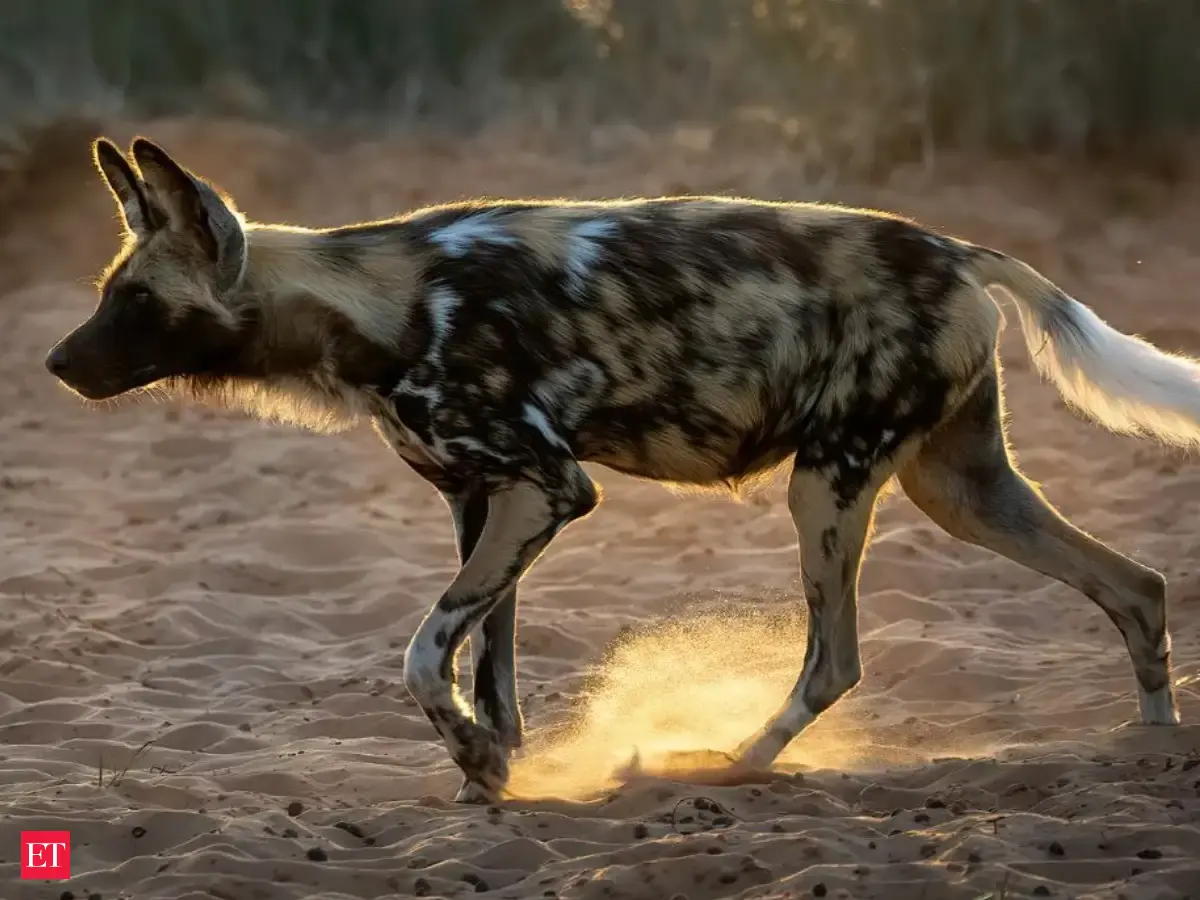
In a remarkable display of endurance and navigational instinct, three African wild dogs from the Mayukuyuku pack undertook a staggering 2,563-mile journey across the Zambian landscape. Spanning approximately nine months, this epic trek has captured the attention of conservationists and wildlife scientists worldwide, offering unprecedented insights into the behavior and survival strategies of one of Africa's most endangered carnivores. The animals, driven by fundamental biological imperatives to find territory and breeding partners, traversed diverse and often perilous terrains far beyond their traditional home ranges. Wildlife researchers monitoring the pack noted that the journey underscores the critical necessity of preserved wildlife corridors. As human development, agriculture, and infrastructure continue to fragment natural habitats across Zambia and the broader region, large carnivores face mounting barriers to movement. The ability of these three wild dogs to successfully navigate such vast distances highlights both their remarkable adaptability and the urgent need to protect interconnected ecological networks that allow wildlife to roam freely without human interference. Conservation initiatives in Zambia have long emphasized the importance of transfrontier conservation areas and buffer zones surrounding national parks. The Mayukuyuku pack's Odyssey provides empirical backing for these policies, demonstrating that isolated protected areas are insufficient for long-term species survival. Genetic diversity among endangered populations relies heavily on natural dispersal, making the safeguarding of migratory routes an environmental priority for the Zambian government and international conservation bodies alike. Looking ahead, scientists hope to leverage the data collected from this extraordinary migration to advocate for enhanced land-use planning. By identifying the specific bottlenecks and pathways utilized by the wild dogs during their nine-month expediti