Mwanakampwe calls for investment in rain, underground water harvesting
ENVIRONMENTBy Lusaka Times — Lusaka Times
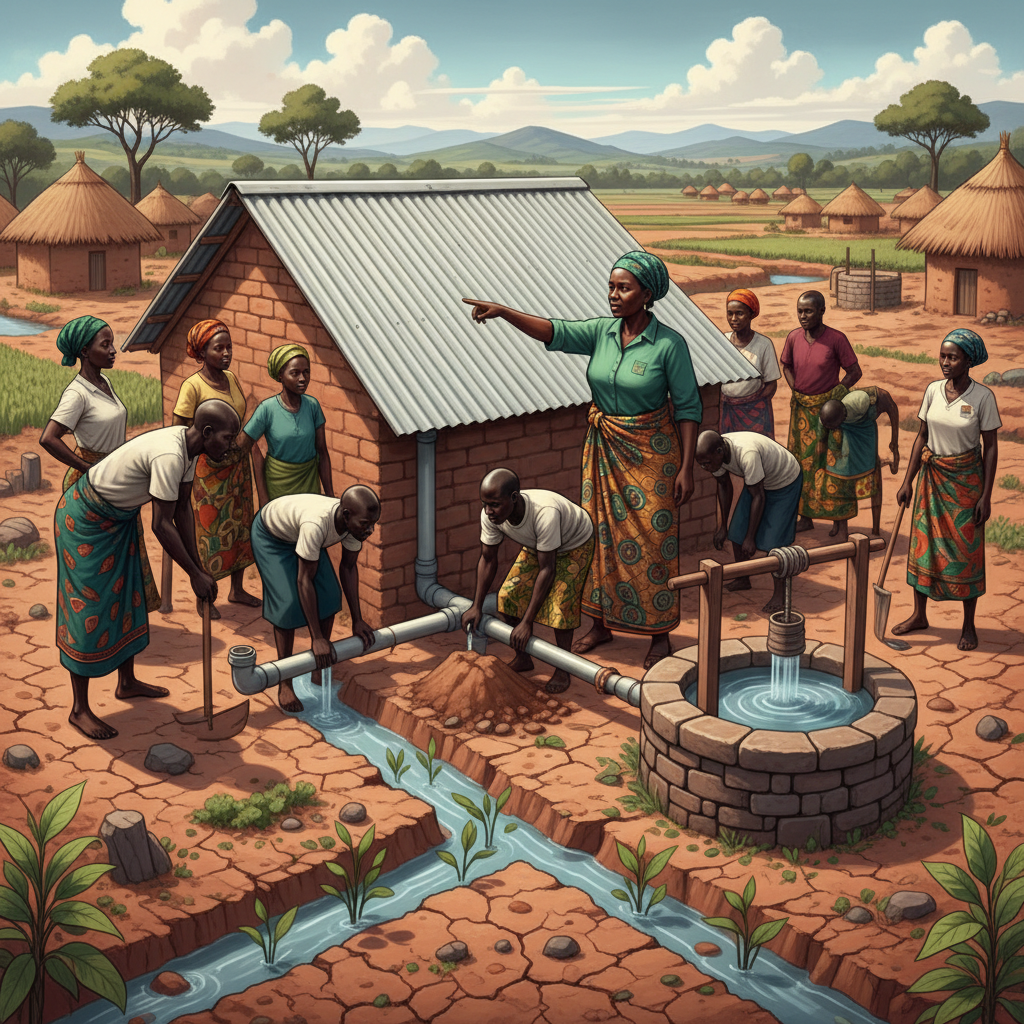
Central Province Permanent Secretary Milner Mwanakampwe has issued a strong call to action for increased investment in rainwater and underground water harvesting initiatives. Speaking on the growing vulnerabilities facing the agricultural economy, Dr Mwanakampwe stressed that protecting the nation's livestock sector from the severe impacts of climate change requires a decisive shift toward sustainable water resource management. With shifting weather patterns and prolonged dry spells threatening grazing lands and water availability across central farming blocks, proactive infrastructure development has become an urgent national priority. Dr Mwanakampwe noted that reliance on seasonal rainfall alone is no longer viable for commercial and smallholder livestock farmers alike. Developing robust rainwater harvesting networks, modern boreholes, and subterranean storage facilities will ensure a consistent supply of water during prolonged dry periods. Central Province, being a major agricultural hub encompassing districts like Mkushi, Serenje, and Kabwe, sits at the heart of Zambia's food production matrix, making localized resilience initiatives critical to national food security and rural economic stability. The Permanent Secretary's remarks align with broader government strategies being championed through the Ministry of Water Development and Sanitation, alongside regulatory bodies like the Water Resources Management Authority (WARMA). Recent policy frameworks have increasingly focused on enhancing dam construction, aquifer recharge points, and stringent borehole drilling regulations to prevent resource depletion. However, government officials maintain that public sector efforts must be complemented by private capital injection and community-level participation to achieve widespread impact. Stakeholders within the agricultural community have largely welcomed the emphasis on water security, pointing out that livestock losses during severe drought cycles severely cripple