$1.5BN HEALTH COMPACT: AID IS STILL A WEAPON OF FOREIGN DOMINATION – Fred M’membe
POLITICSBy Zambian Observer — Zambian Observer
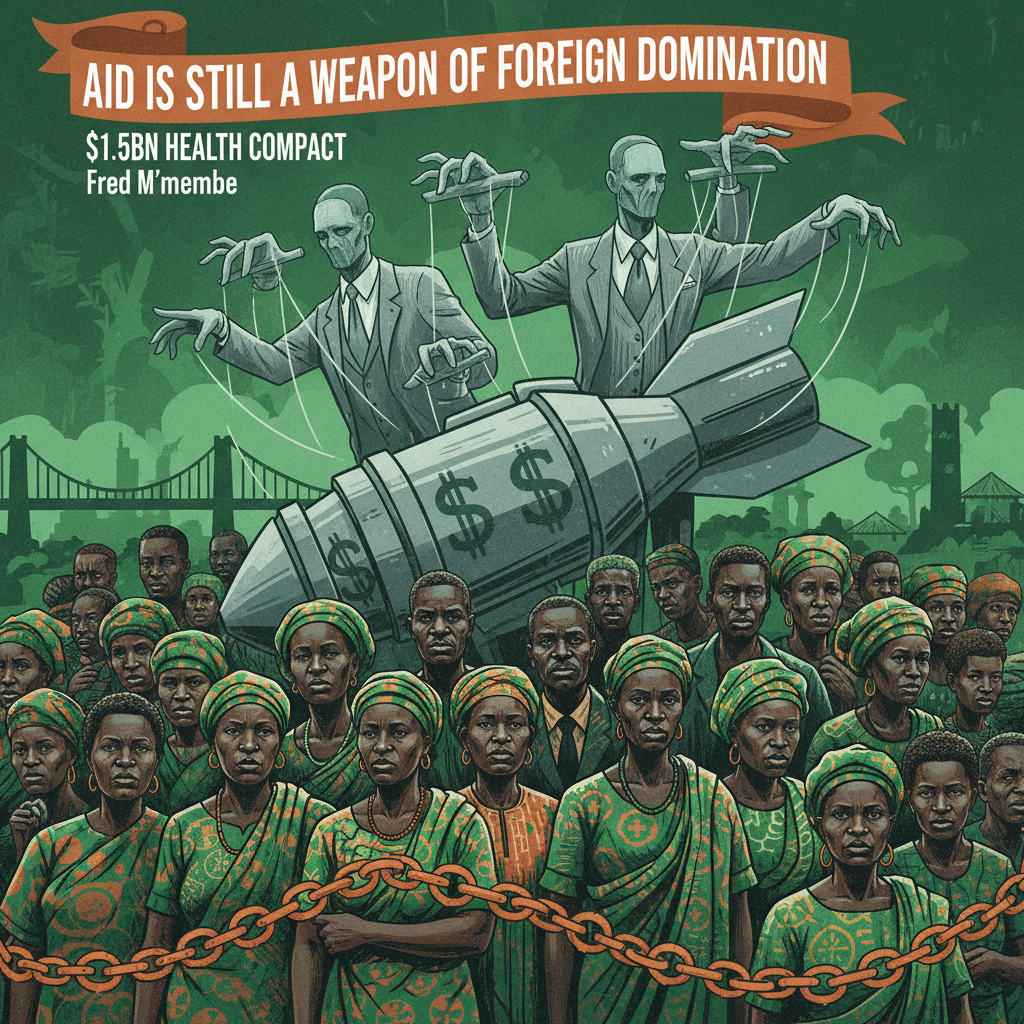
The recent announcement regarding the finalization of a US$1.5 billion health funding agreement between Zambia and the United States has reignited intense national debate over foreign aid and national sovereignty. While the government has hailed the five-year pact—designed to bolster HIV/AIDS, malaria, and maternal health programmes—as a major diplomatic and developmental victory, opposition figures have fiercely condemned the arrangement. Among the most vocal critics is Socialist Party leader Fred M’membe, who characterized the deal as a continuation of imperialist control disguised as humanitarian assistance. Mr. M’membe contended that accepting multi-billion-dollar packages from Western superpowers deepens Zambia’s dependency and undermines its sovereign autonomy. His remarks echo long-standing skepticism among various leftist and nationalist factions regarding the true motives behind foreign assistance. The controversy comes on the heels of protracted negotiations that previously stalled due to public outcry and civil society pressure over initial draft clauses involving data collection, biological specimens, and perceived connections to critical mineral resources. Government officials, led by Minister of Health Dr. Roma Chilengi, have vigorously defended the revised Memorandum of Understanding, reassuring the public that contentious provisions regarding patient privacy and mineral rights have been completely expunged. According to the administration, the updated framework ensures that United States funding directly supports public health infrastructure without compromising national assets or data sovereignty. Officials emphasize that developing nations like Zambia still require robust external partnerships to maintain essential health services amidst constrained domestic fiscal space. However, civil society organizations and legal watchdogs, such as the Chapter One Foundation, have maintained that transparency remains paramount. Stakeholders have urged the e