VIDEO:ANTONIO MWANZA ONCE THREATENED HICHILEMA WOULD “DIE IN PRISON”
POLITICSBy Zambian Observer — Zambian Observer
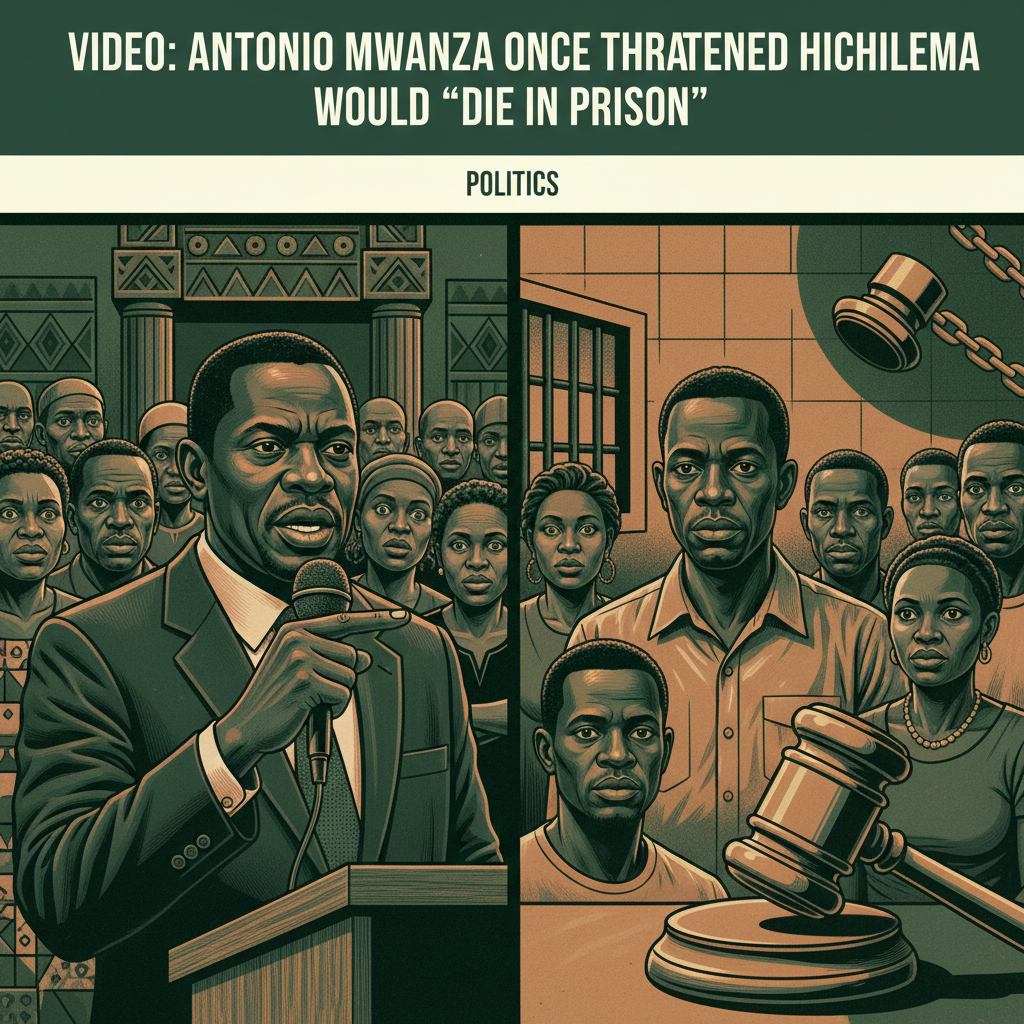
A controversial video has resurfaced across various social media platforms in Zambia, capturing a stark reminder of the intense political rhetoric that characterized the nation's past administrations. In the circulating clip, Antonio Mwanza, who was then serving as the Deputy Media Director for the former ruling Patriotic Front (PF), is seen making harsh remarks directed at Hakainde Hichilema, who was then in opposition, asserting that he would perish in prison. This archival footage has quickly ignited fiery debates among citizens and political analysts alike regarding the nature of political rivalry in the country. The resurgence of this video places a spotlight on the volatile political climate that prevailed prior to the August 2021 general elections. During that period, political intolerance and aggressive verbal exchanges between the ruling party functionaries and opposition leaders were commonplace. Mwanza, who has since transitioned to another political platform following the PF's electoral defeat, made statements that many citizens now view as reflective of the deep institutional pressures and personal threats faced by political figures under previous governance. Political commentators have noted that the recirculation of such videos serves multiple purposes in Zambia's modern digital landscape. For some, it is a tool for political accountability, reminding the public of past declarations made by figures who now project themselves differently on the political stage. For others, it risks stoking historical animosities at a time when national reconciliation and constructive dialogue are deemed crucial for democratic consolidation and institutional stability. As reactions continue to pour in across Facebook, X (formerly Twitter), and WhatsApp groups, civil society organizations have frequently called upon political actors from across the divide to exercise restraint and focus on policy-based discourse rather than dwelling on historical grievances. The incid