MASSIVE SHOW OF LAWMAKERS AT SAMU LYA MOOMBA SPARKS DEBATE
POLITICSBy Zambian Observer — Zambian Observer
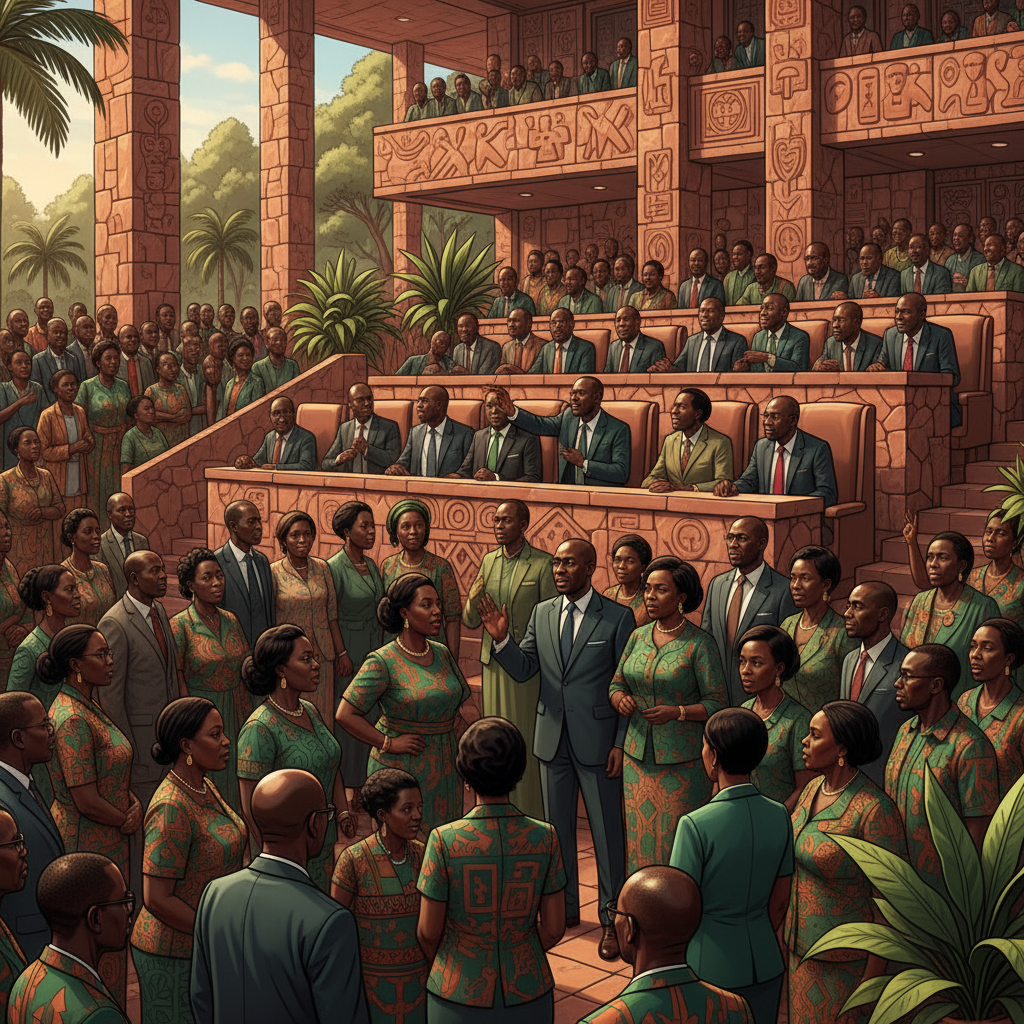
The recent gathering at the historic Samu Lya Moomba traditional ceremony in Monze District, Southern Province, has triggered a vibrant national debate following the substantial presence of over 40 Members of Parliament accompanying President Hakainde Hichilema. The high-profile event, which commemorates the heritage and liberation struggles of the Tonga and Ila-speaking people, quickly shifted into a focal point for political discourse regarding executive-legislative relations and party mobilization in the country. United Party for National Development (UPND) member Prince Ignatius Hangoma defended the massive legislative showing, asserting that the robust attendance of lawmakers demonstrates deep solidarity with both the Presidency and traditional leadership. Proponents of the administration's approach argue that such high-level participation underscores the government's commitment to rural development, cultural preservation, and grassroots engagement. During the ceremony, President Hichilema utilized the platform to challenge newly elected MPs to prioritize service delivery over mere parliamentary occupancy, raising expectations for legislative accountability in his second term. However, the optics of more than 40 lawmakers traveling to Monze have drawn sharp criticism from opposition figures and political analysts alike. Detractors contend that mass political delegations to traditional ceremonies risk blurring the lines between state functions and partisan mobilization, raising questions about logistical expenses and parliamentary focus. Critics argue that lawmakers should prioritize legislative duties and constituency casework, particularly during a period when the nation faces critical economic hurdles and agricultural demands tied to drought preparedness. The debate reflects broader tensions in Zambian politics surrounding executive influence over the legislature and the appropriate balance between political pageantry and governance. As traditional ceremo