Keep enough maize for homes
AGRICULTUREBy Zambia Daily Mail — Zambia Daily Mail
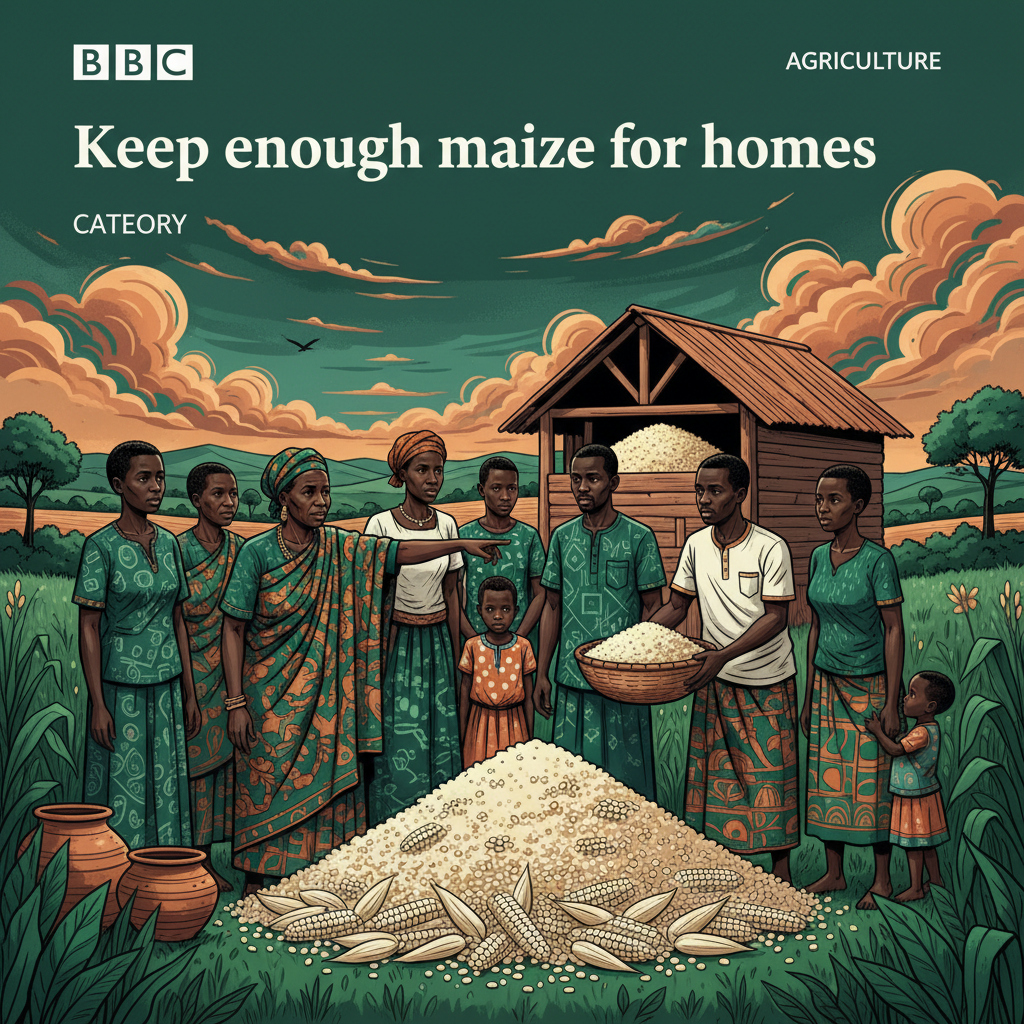
President Hakainde Hichilema has made a passionate appeal to traditional leaders across the country to take an active role in mobilizing their communities to safeguard food security at the household level. Speaking at the Samu Lya Moomba traditional ceremony held in Bweengwa, Monze District, the Head of State urged chiefs and headmen to encourage their subjects to refrain from selling their entire maize harvest. He stressed that preserving enough grain locally is vital to shielding families, particularly children, from hunger during vulnerable periods. The President noted that traditional custodians wield immense influence at the grassroots level and are uniquely positioned to guide rural farming communities on sound post-harvest management. By encouraging households to maintain traditional grain storage banks—locally referred to as *matala*—communities can insulate themselves against seasonal shocks and unpredictable weather phenomena. Mr Hichilema emphasized that while the government continues to put mitigation measures in place, individual households must also exercise prudence with their harvests. Zambia’s agricultural landscape has faced severe pressures in recent years due to climate change induced weather aberrations, making food reserve management a critical pillar of national stability. Successive seasons marked by erratic rainfall have underlined the fragility of rain-fed agriculture, prompting the New Dawn administration to push for resilience strategies that begin at the smallest community level. Agricultural experts have repeatedly echoed the sentiment that localized storage helps stabilize rural food availability before national distribution interventions kick in. During the same engagement, the President reassured citizens that the government is monitoring food security indicators closely and will deploy necessary support programmes to vulnerable populations should the need arise. However, he reiterated that proactive personal responsibility remain