UPND SHOULD STOP PUBLICLY DISOWNING ITS OWN MEMBERS– Concerned Citizen
POLITICSBy Zambian Observer — Zambian Observer
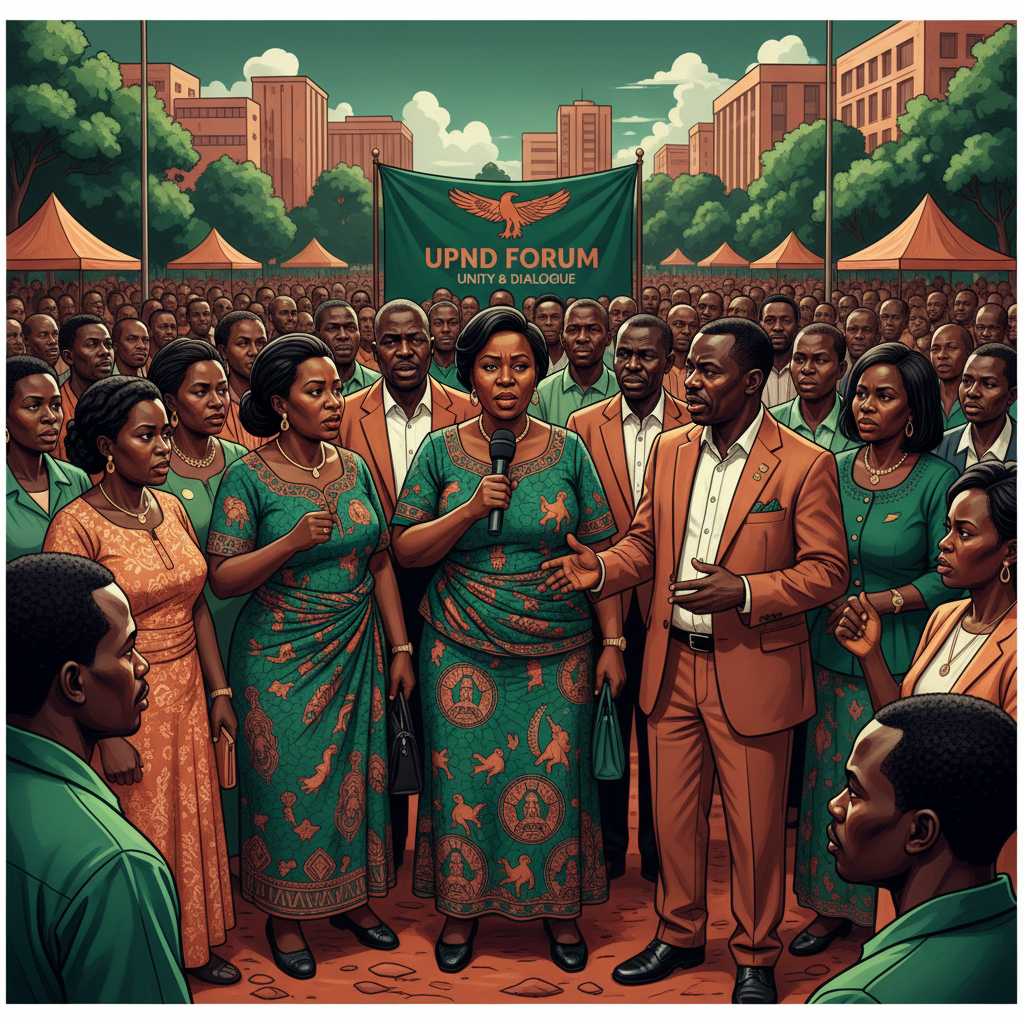
The political landscape in Zambia has once again been stirred by internal friction within the ruling United Party for National Development (UPND). Recent public commentary from concerned citizens and political observers has zeroed in on what is described as a growing pattern of the party leadership hastily disowning its own members whenever controversial statements or actions spark public backlash. Critics argue that this reactive distancing exposes underlying vulnerabilities and a lack of cohesive discipline within the ranks of the governing establishment. Over recent months, various lower-tier leaders, provincial officials, and outspoken cadres have made inflammatory remarks or adopted controversial stances on national governance, intra-party elections, and civic rights. In response, senior party figures and official spokespersons have frequently rushed to declare that such individuals were speaking in their personal capacities and not representing official party policy. While political managers view this as a necessary damage-control strategy to shield the party's image and project moderation, critics maintain that it points to a deeper structural weakness. Political analysts note that public disownments often send mixed signals to grassroots supporters who form the backbone of the movement. When foot soldiers and regional representatives feel unsupported or vulnerable to abrupt repudiation by secretariat elites, morale can plummet, leading to factionalism and mistrust. Furthermore, opposition voices have capitalized on these episodes to paint the ruling party as fragmented and unprepared to handle the rigorous demands of statecraft and cohesive political management. As the nation marches steadily toward future electoral milestones, internal party cohesion remains a critical determinant of political survival in Zambia's competitive democracy. Observers suggest that rather than resorting to public disownments, the UPND leadership needs to foster clearer interna