GEORGE MTONGA IS PART OF 2031 CARTEL POSITIONING TO TAKEOVER UPND LEADERSHIP, SAYS MARK SIMUUWE
POLITICSBy Zambian Observer — Zambian Observer
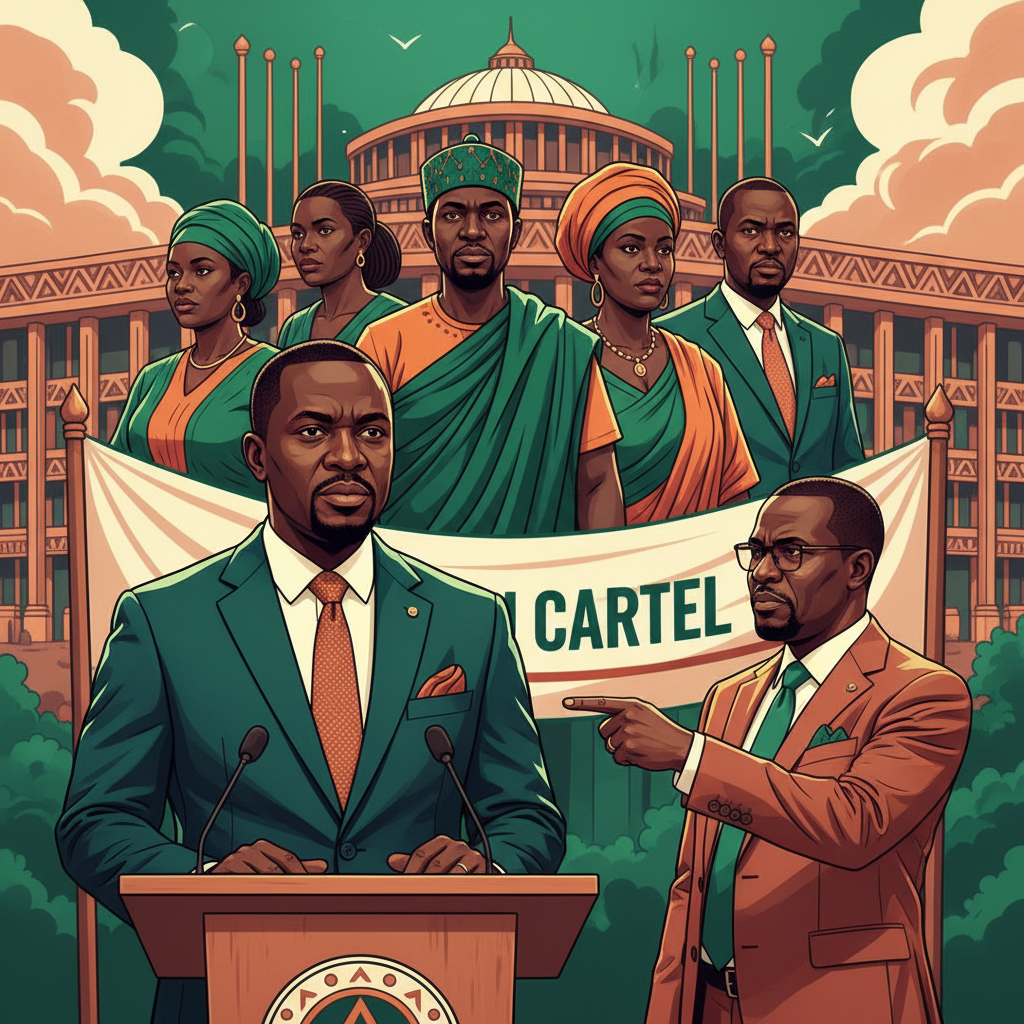
Tensions within the ruling United Party for National Development (UPND) have spilled into the public domain following sharp remarks by party Media Director Mark Simuuwe, who has accused prominent political figure George N. Mtonga of being part of a calculated "2031 cartel" seeking to maneuver for leadership positions. The explosive confrontation underscores underlying anxieties regarding succession dynamics and internal discipline within Zambia's ruling establishment, even as current leadership firmly maintains its focus on governance and national development. According to Simuuwe, Mtonga—who previously stepped away from active party ranks amid policy debates surrounding cyber legislation—has been utilizing public platforms to castigate UPND officials and critique state initiatives without official endorsement. The ruling party's media machinery was quick to distance itself from Mtonga's recent commentaries, particularly regarding agricultural marketing and state grain purchasing frameworks, insisting that individuals operating outside official structures will face strict institutional pushback. Simuuwe stressed that any ambitions directed toward the 2031 political horizon must adhere strictly to established party procedures, guidelines, and the ultimate oversight of the National Management Committee. The verbal sparring has ignited intense conversations across political circles in Lusaka, drawing sharp divisions among commentators, party cadres, and civil society observers. While some analysts argue that robust debates over economic strategies—such as the operational capacity of the Food Reserve Agency—reflect healthy intellectual discourse, party loyalists view premature leadership posturing as a dangerous distraction. The UPND leadership has consistently maintained that organizational cohesion remains paramount, warning members against factional alignments that risk destabilizing the current administration's socio-economic agenda. Historically, ruling parties