UPND DISOWNS GEORGE MTONGA’S STATEMENT ON MAIZE MARKETING
POLITICSBy Zambian Observer — Zambian Observer
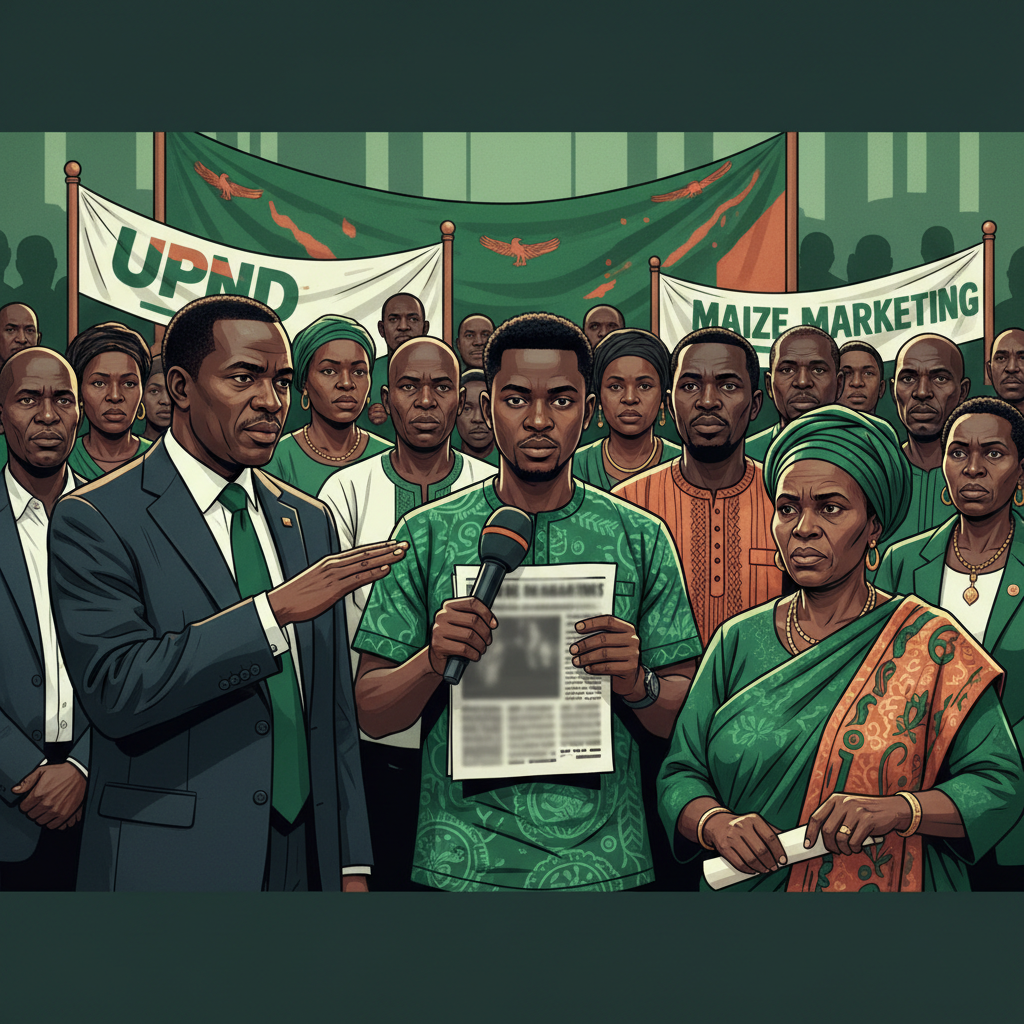
The ruling United Party for National Development (UPND) has moved swiftly to distance itself from recent commentary made by George Mtonga concerning the marketing and distribution of maize across the country. In an official statement issued by party media representatives, the UPND clarified that Mr. Mtonga does not hold any official party position nor is he an authorized spokesperson, rendering his remarks strictly personal opinions rather than government or institutional policy. The clarification comes amid heightened public discourse regarding grain marketing structures, satellite depot purchases by the Food Reserve Agency (FRA), and the overall stability of agricultural supply chains in Zambia. The controversy underscores the sensitivity surrounding agricultural policies and food security narratives in the country, particularly given the government's ambitious long-term production targets. The UPND leadership has strongly urged Zambian farmers not to panic or feel discouraged by unauthorized commentary, assuring the farming community that state machinery remains fully focused on stabilizing the grain market. According to party communications, the FRA continues to monitor grain deliveries, manage depot collections, and expedite payments to suppliers to ensure that producers are fairly compensated for their hard work. At the heart of the debate is the government's broader agricultural vision, which includes scaling up grain output and expanding domestic, regional, and international markets under initiatives like the Grow Zambia Agenda. Party media director Mark Simuuwe noted that public discourse surrounding grain marketing must be handled responsibly so as not to undermine confidence in national production goals. The administration maintains that any shifts in marketing strategy, export permit clearances, or floor price adjustments will be communicated strictly through official channels rather than speculative public commentary. Agricultural stakeholders and fa