GOVERNMENT REMOVES RESTRICTIONS ON EXPORT OF MAIZE AND MEALIE MEAL TO SUPPORT FARMERS AND CITIZENS
BUSINESSBy Zambian Observer — Zambian Observer
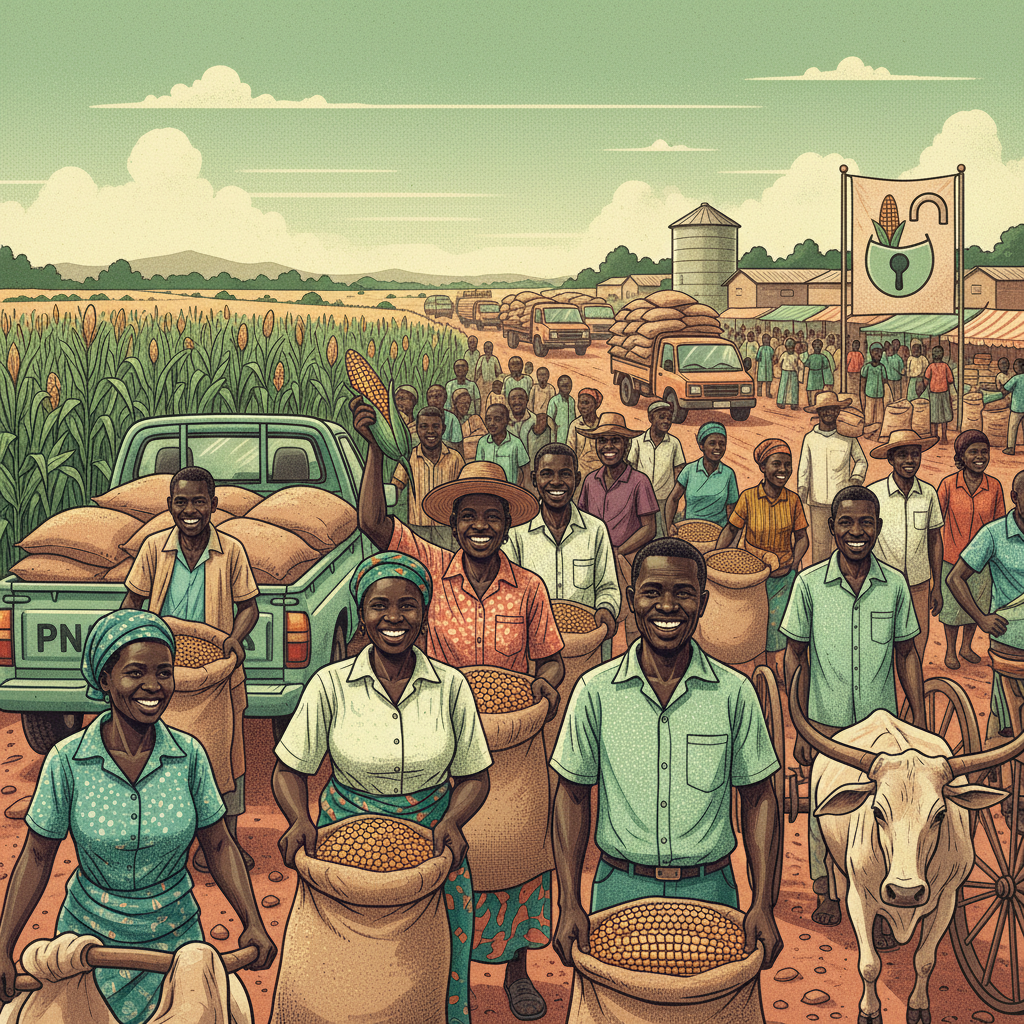
The Zambian government has officially lifted restrictions on the export of maize grain and related maize products, including the staple mealie meal, in a decisive policy shift aimed at bolstering the agricultural sector and improving household incomes for ordinary citizens. Released through a formal statement by the Ministry of Agriculture, the announcement marks a significant pivot toward market-liberalization, allowing local farmers, millers, and traders to tap into lucrative regional and international markets. For years, agricultural producers across key farming blocks such as Mkushi, Chongwe, and Mazabuka have faced severe pricing constraints due to domestic-only sales caps, making this regulatory easing a welcome development for rural livelihoods. According to the Ministry, the removal of export barriers is designed to promote fair market access and stimulate vibrant economic activity within the agro-processing and value-addition sectors. While local food security remains a paramount national priority, the government emphasized that trade will continue under a structured and regulated framework. Stakeholders intending to export grain or mealie meal are required to formally apply for permits via the Zambia Electronic Single Window (ZESW) platform, ensuring that all movements are properly tracked, documented, and acquitted at designated border checkpoints such as Kasumbalesa. The policy change arrives at a crucial juncture for Southern Africa’s grain economy, where neighboring nations—particularly the Democratic Republic of Congo—face persistent high demand for imported food staples. By streamlining export documentation and encouraging formal trade channels, Lusaka hopes to capture regional market share previously dominated by external suppliers. Officials reiterate that internal buffer stocks remain sufficient to meet domestic consumption requirements, mitigating fears of artificial shortages or runaway retail price spikes within domestic markets. Agricultura