Zambia's health shake-up: US deal agreed but unsigned, US$2 billion Medical City with no named investor, and all 150 ZAMMSA workers fired
HEALTH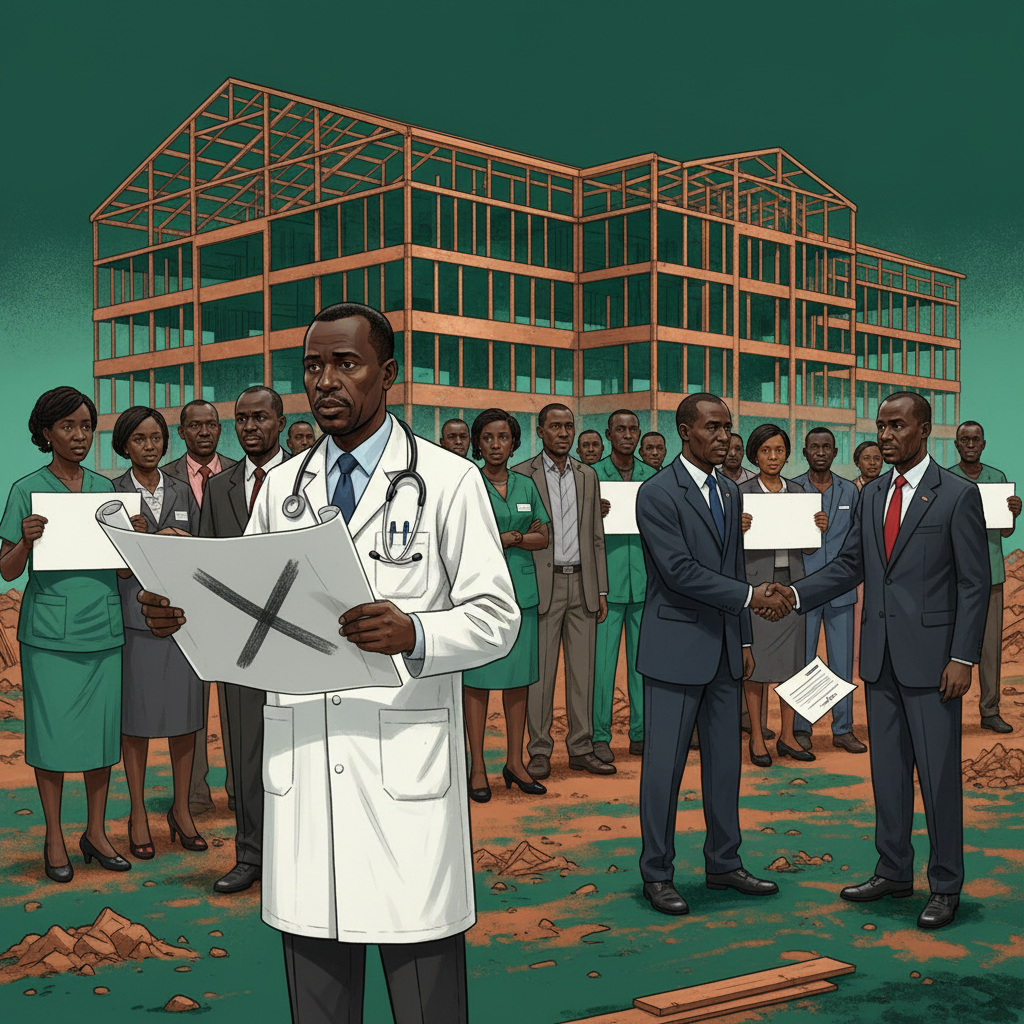
LUSAKA, 3 October 2026. Within two weeks, Zambia's health sector has produced three major announcements. They concern the same system: who pays for the country's medicines, where specialist care will be delivered, and who runs the agency that buys the drugs. ## 1. The US health agreement: agreed, but not signed The agreement is a five-year funding deal for Zambia's health system. It replaces the way the United States used to pay for health in Zambia, through USAID, which has been dismantled, and the HIV programme PEPFAR, which has been scaled back. Washington now prefers country-by-country agreements. The leaked earlier draft covered HIV, tuberculosis and malaria, maternal and child health, polio and measles vaccination, and disease surveillance. The Lusaka Times reports that the revised money is for frontline health centres, maternal health networks and infectious disease clinics. The scope of the revised version has not been published. The money matters because the US has paid for much of the medicine. In 2025 the US ambassador said Washington provided about US$128 million a year to buy drugs for HIV, malaria and TB, and to support the national supply chain. He said roughly one in every three kwacha spent on public health in Zambia came from the American people. During the UN General Assembly in New York, Foreign Affairs Minister Mulambo Haimbe met US Deputy Assistant Secretary of State Chris Kulukundis. Mr Haimbe says the two sides agreed to sign a revised agreement worth about US$1.5 billion over five years, with the US contributing a little over US$1 billion. An earlier draft, which leaked, asked Zambia to find about US$340 million in new health spending. It also required sharing health data and pathogen samples, and allowed termination if Zambia did not conclude a separate bilateral compact with Washington. Zambia pushed back in February. Mr Haimbe now says the data terms have been replaced and the minerals link set aside. The US State Department has no