Binwell Accuses UPND Government of Chewing Reserves even Before Fully Settling Into Office
POLITICSBy Zambian Observer — Zambian Observer
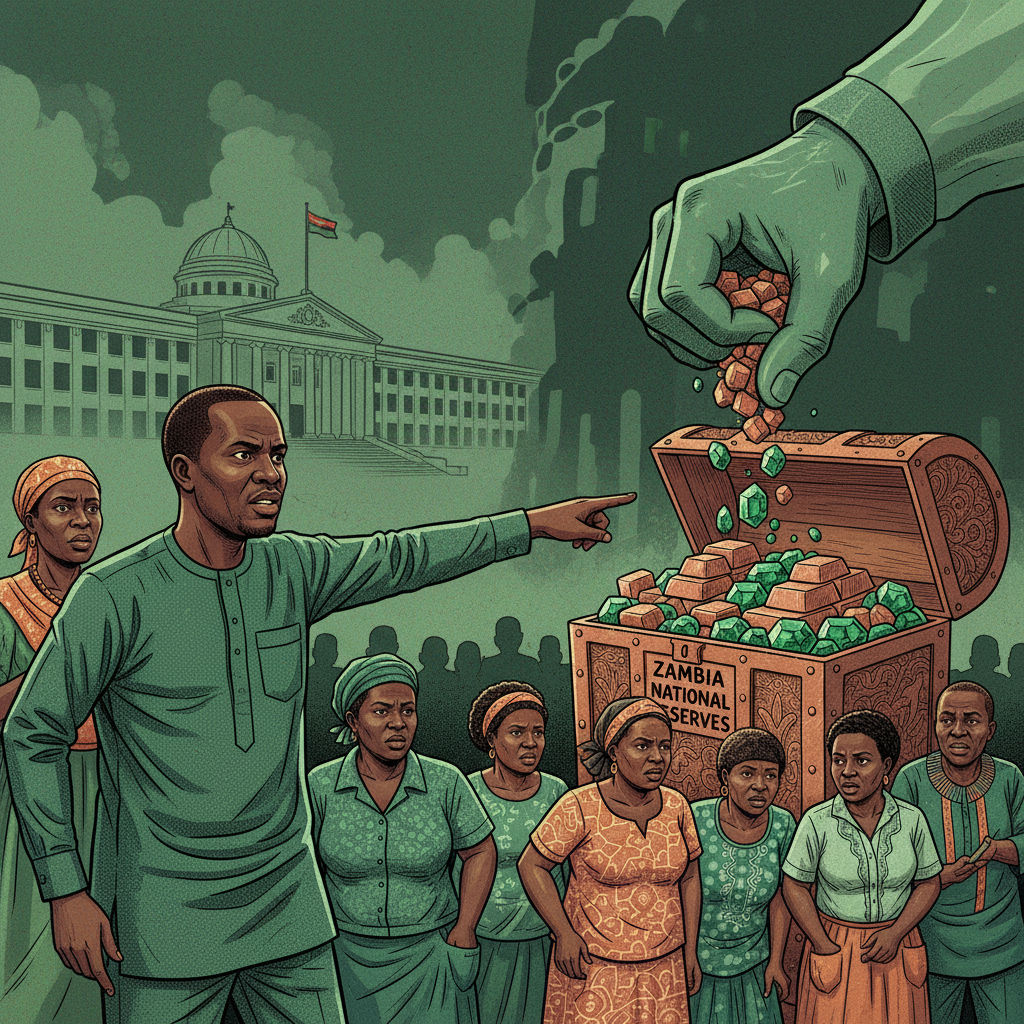
The political landscape in Zambia has intensified following remarks by Movement for Good Governance leader Binwell Mpundu, who launched a sharp critique against the United Party for National Development (UPND) administration. Mpundu publicly accused government officials of depleting national foreign exchange reserves, questioning the transparency and fiscal prudence of the administration as it navigates its mandate. The statements have reignited a polarized national debate over the management of macroeconomic indicators, particularly foreign exchange buffers. At the heart of the controversy is a broader political clash concerning how the government communicates its economic achievements versus the harsh economic realities experienced by ordinary citizens. Opposition figures, including those aligned with figures like Brian Mundubile and coalition movements, have repeatedly challenged the administration over whether high-level figures on foreign reserves translate to tangible relief for local contractors, suppliers, and households grappling with the cost of living. Critics argue that impressive statistical figures must align with improved welfare on the ground. Economic analysts and commentators remain divided on the function and interpretation of national reserves. Proponents of the government's fiscal policy maintain that foreign exchange buffers are strategic insurance instruments managed by the Bank of Zambia to stabilize the currency, handle external shocks, and secure essential imports such as fuel and medical supplies. They argue that reserves should not be mistaken for routine budgetary spending money. Conversely, populist political voices leverage public frustration to question the liquidity crunch faced by domestic suppliers and public workers. As political realignments take shape ahead of upcoming electoral cycles, economic messaging has become a primary battleground. Opposition actors frequently utilize colloquial language and direct critiques to resona