UPND’s Frank Tayali tells a Ndola court that it was abnormal to involve soldiers in the just-ended general elections
POLITICSBy Zambian Observer — Zambian Observer
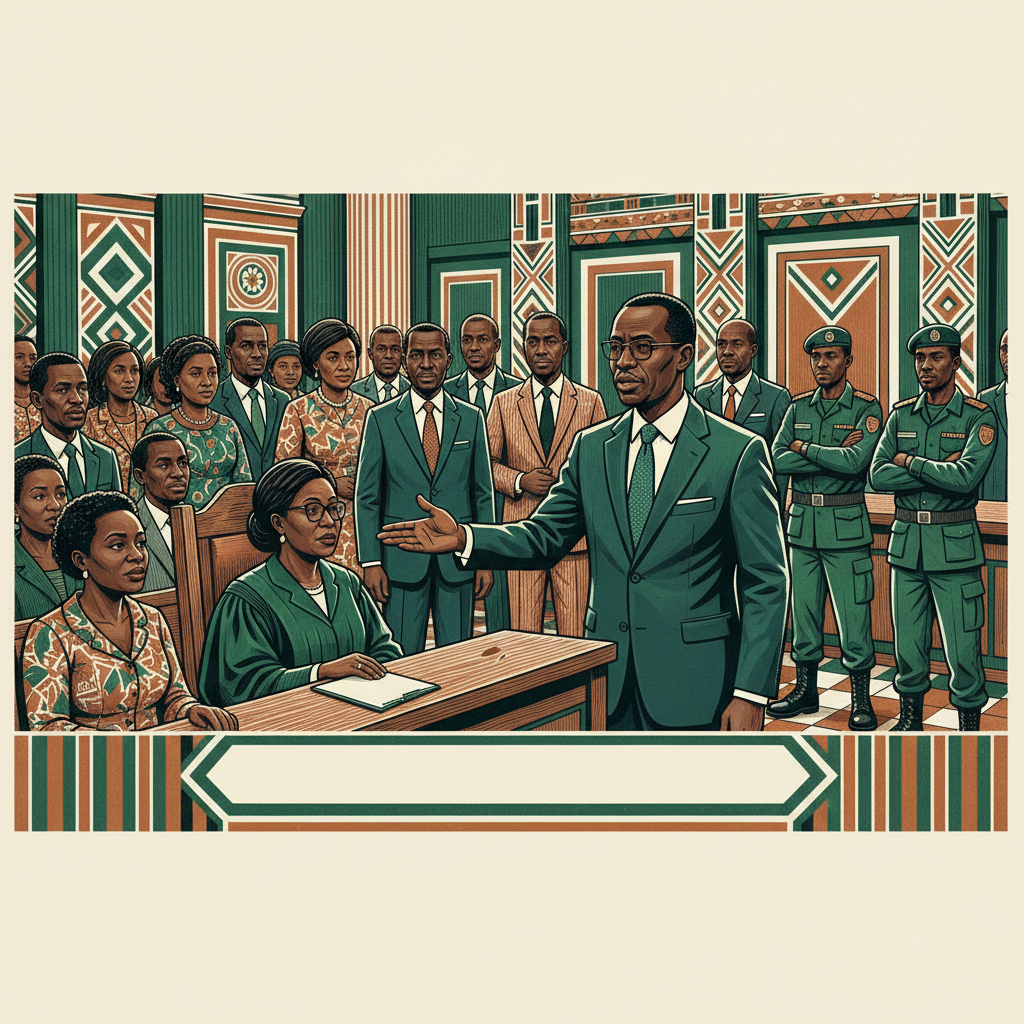
Testifying before Ndola High Court Judge Mwamba Chanda, former Minister of Transport and Logistics Frank Tayali delivered a scathing critique of the security arrangements deployed during the country's just-ended general elections. Tayali, who is contesting the parliamentary outcome for the Ndola Central constituency under the United Party for National Development (UPND) banner, stated under cross-examination that the active involvement of military personnel in electoral and counting centers represented an abnormal departure from democratic norms. According to Tayali, the presence of soldiers and the eruption of violence at critical polling stations directly suppressed voter participation and skewed the democratic expression of the electorate. The former minister pointed to specific areas where heightened tensions and aggressive security interventions reportedly deterred citizens from exercising their franchise peacefully. He contended that the deployment model utilized during the polls created an atmosphere of intimidation rather than security, casting a long shadow over the credibility of the final tally in fiercely contested urban strongholds like the Copperbelt Province. The legal challenge brought forth by Tayali seeks to overturn the victory of the opposing candidate, placing judicial scrutiny squarely on the administrative and security framework that governed the polls. Electoral petitions of this nature have become a focal point across various constituencies, as losing candidates test the boundaries of institutional accountability and seek legal redress for perceived administrative flaws. Legal experts note that while security forces are routinely deployed to maintain law and order, their specific proximity and conduct at polling and tallying stations remain deeply contentious issues within Zambia's evolving constitutional jurisprudence. The proceedings in Ndola have triggered broader national conversations regarding the demarcation of duties between civi