Zambia: Government declares fuel supply situation an emergency
ECONOMYBy Africanews
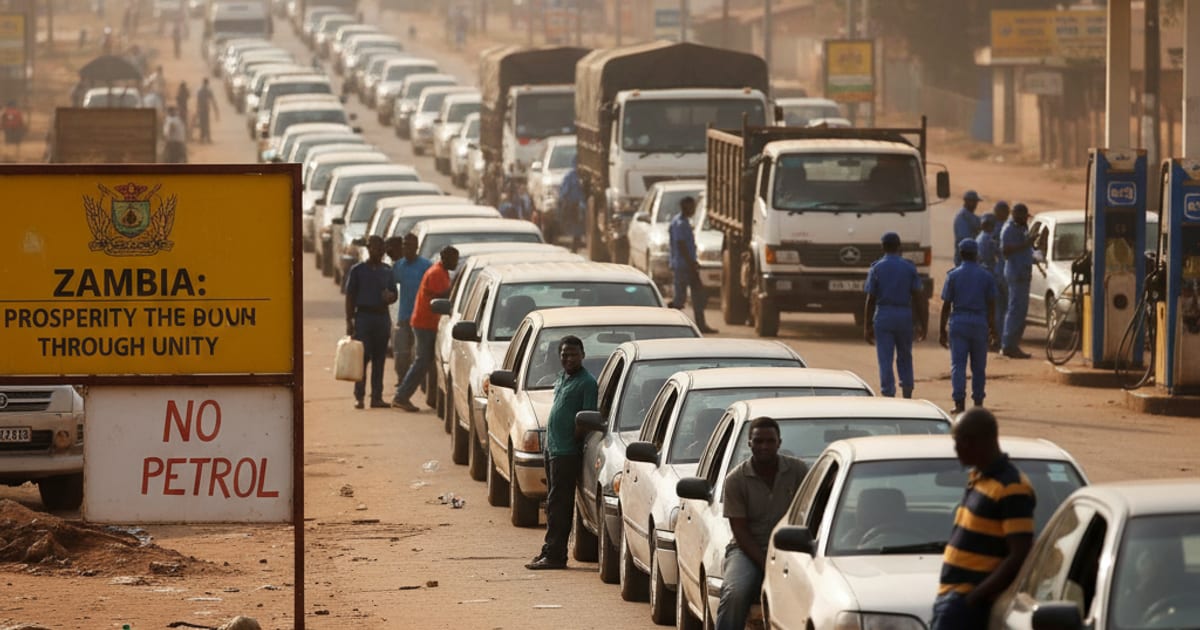
**Lusaka, Zambia** – The Zambian government has formally declared its fuel supply situation an emergency, a stark admission that the nation is grappling with the severe repercussions of escalating global oil prices and significant disruptions emanating from the protracted Middle East conflict. This declaration comes as Zambians across the country are already experiencing the tangible and often debilitating effects of the crisis, with daily life and economic activities increasingly hampered by fuel scarcity and rising costs. The move underscores the profound vulnerability of landlocked nations like Zambia to international geopolitical instability, even those thousands of kilometers removed from the immediate theatres of conflict. The impact on ordinary citizens is already palpable and deeply concerning. In Lusaka, Fredrick Nabuzoka, a taxi driver, lamented the arduous task of simply finding fuel, describing long queues and frequent stockouts at service stations, which drastically reduce his working hours and income. Similarly, Fridah Mbiza, a small-scale trader who relies on public transport and occasional hired vehicles to ferry her goods, reported a significant downturn in her business. "Without reliable transport, my vegetables spoil before I can get them to the market," she explained, highlighting the ripple effect on livelihoods and food security. These individual struggles paint a grim picture of a nation bracing for tougher times, where the cost of living, already a pressing concern for many, is set to escalate further. The crisis, however, is not unique to Zambia, as noted by prominent energy expert Johnstone Chikwanda. He points out that an alarming 75% of African countries are currently grappling with similar energy insecurity, a testament to the continent's heavy reliance on imported fossil fuels. Chikwanda's warning extends beyond mere price hikes, delving into the more critical concern of the sheer availability of fuel across the continent. "This isn't