DEC nabs 4 for manufacturing fake fertiliser, seizes 739 bags
CRIMEBy Shadreck Jere — News Diggers
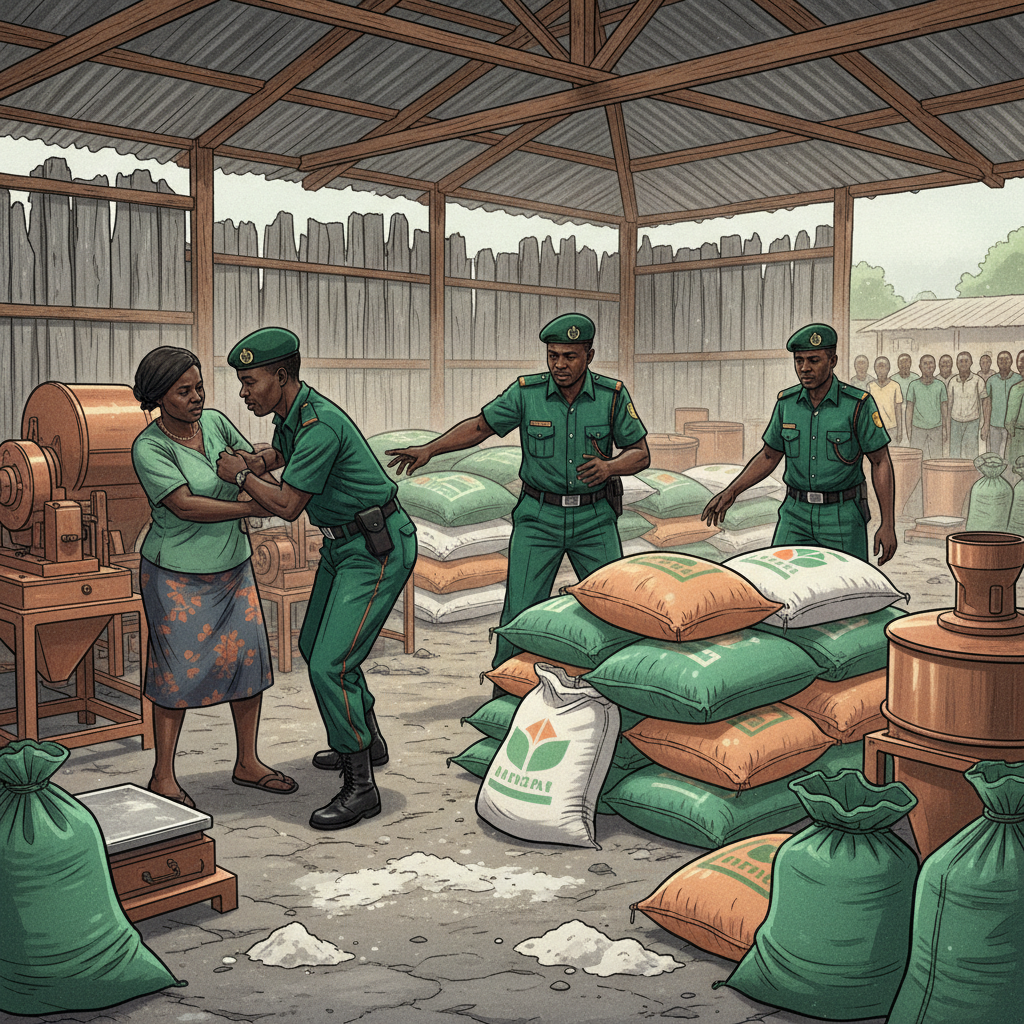
The Drug Enforcement Commission (DEC) has dealt a significant blow to agricultural fraud syndicates operating within the country by apprehending four suspects allegedly involved in the mass production of counterfeit fertiliser. According to official statements released by DEC Public Relations Officer Allan Tamba, law enforcement officers unearthed clandestine manufacturing operations spanning the 9 Miles area in Chibombo District and Meanwood Vorna Valley in Chongwe District. The sweeping operation led to the immediate seizure of 739 bags of suspected fake fertiliser, alongside various raw materials and specialized packaging equipment used to deceive unsuspecting farming communities. Among those detained by the commission are an agricultural consultant and three local businessmen who are now facing a litany of serious charges. Court documents and police briefs indicate that the quartet has been formally charged with the production of farming requisites in a non-registered plant, contravening the Agriculture (Fertilisers and Feed) Act. Additionally, they face severe counts of conspiracy to commit a felony, possession of property reasonably suspected of being proceeds of crime, and money laundering under relevant statutory provisions. This latest crackdown highlights a growing and deeply troubling trend of unscrupulous syndicates exploiting the high demand for agricultural inputs. Counterfeit fertilisers—often formulated using cheap, ineffective substitutes or harmful chemical mixtures—pose an existential threat to national food security and smallholder productivity. When farmers unknowingly invest their hard-earned capital into substandard or fake inputs, the resulting crop failure can devastate household incomes and ripple through local food markets, ultimately undermining national yield projections ahead of the rainy season. Agricultural experts and farming advocacy groups have repeatedly called for heightened vigilance across rural and peri-urban retail network