Farmers advised to prepare for anticipated El Nino
ENVIRONMENTBy Lusaka Times — Lusaka Times
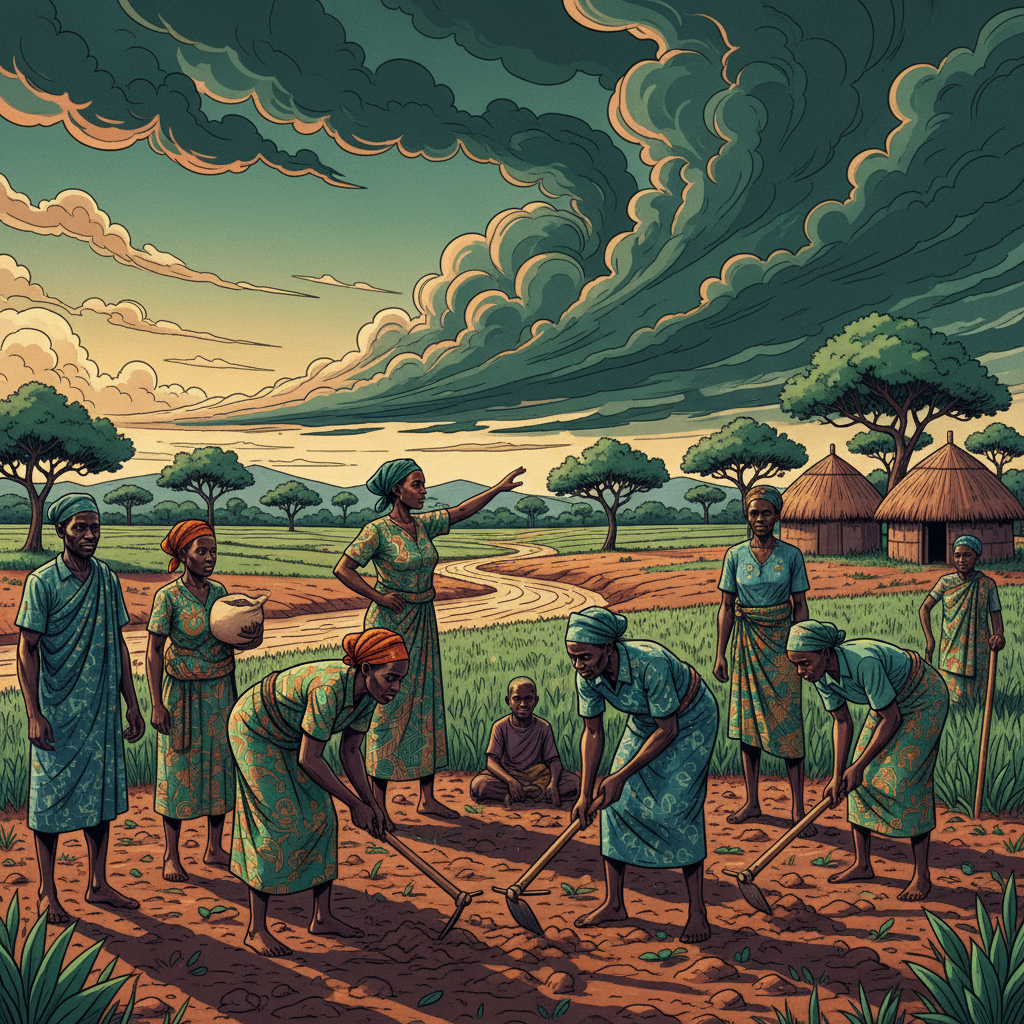
The Ministry of Agriculture has issued an urgent directive calling on smallholder and commercial farmers across the Northern Province to proactively implement mitigation strategies in anticipation of the forecast El Niño weather phenomenon for the upcoming 2026/2027 agricultural season. While northern regions traditionally experience more reliable rainfall patterns compared to the drought-prone southern parts of Zambia, meteorological projections indicate that shifting global climate dynamics could introduce unpredictable dry spells, erratic rainfall distribution, and higher temperatures. Agricultural experts and extension officers are stressing that early preparation is vital to preventing post-harvest shortfalls and maintaining national food reserves. Farming communities are being advised to pivot toward climate-smart agricultural practices, such as adopting early-maturing and drought-tolerant seed varieties, practicing conservation farming, and optimizing soil moisture retention through mulching and minimum tillage. Furthermore, diversification into resilient crops such as cassava, sorghum, and legumes is being heavily promoted to buffer against potential shocks. This early warning comes on the heels of previous severe weather shocks that exposed vulnerabilities in Zambia's rain-fed agricultural framework, underscoring the necessity of shifting away from reactive crisis management. The government, alongside cooperating partners, is ramping up awareness campaigns through local extension services to ensure that rural farmers translate seasonal weather advisories into actionable farm-level decisions. Emphasizing water-efficient technologies and rainwater harvesting is also becoming a core component of provincial preparedness plans. Beyond crop production, the advisory extends to livestock management, urging pastoralists to secure adequate water sources and supplementary feed supplies before seasonal pastures degrade under intense heat stress. Stakeholders across