AN URGENT APPEAL TO GOVERNMENT ON BEHALF OF LUNDAZI FARMERS
BUSINESSBy Zambian Observer — Zambian Observer
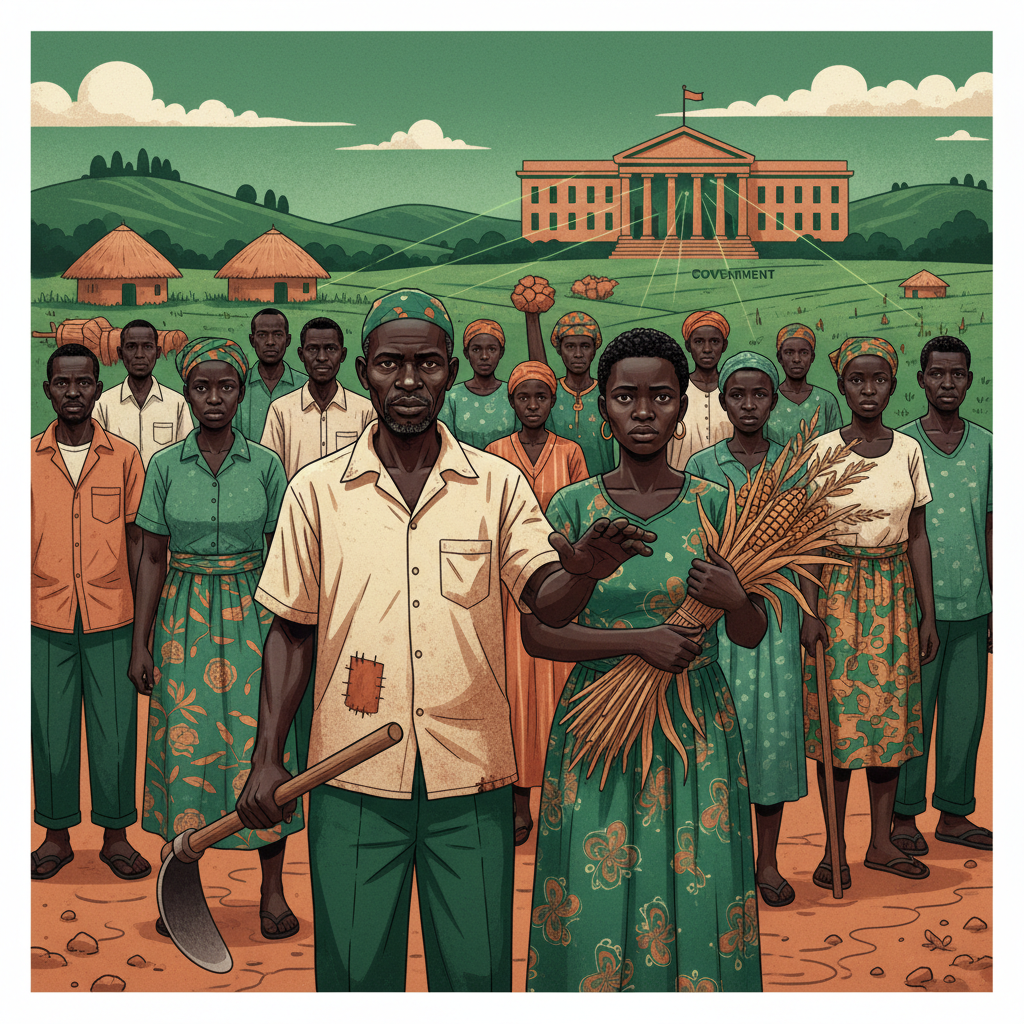
As the September 30 deadline for the closure of the Food Reserve Agency (FRA) maize marketing season arrives, mounting pressure is being directed at the government to intervene on behalf of stranded small-scale farmers in Lundazi, Lumezi, and Chasefu districts. Local stakeholders have voiced deep concern that hundreds of farmers who successfully harvested and transported their grain to designated collection depots are still waiting in winding queues, unable to offload their produce before the official cutoff date. Community representatives note that the predicament facing rural growers highlights enduring logistical hurdles within state-managed agricultural procurement systems. Many farmers have spent days, and in some instances weeks, camping near FRA depots under challenging conditions. The prospect of the marketing season closing while their maize remains unpurchased threatens to leave vulnerable households exposed to predatory middlemen and profound financial distress after a demanding farming season. Observers point out that the situation directly impacts national food security objectives and the livelihood of rural agrarian communities. Farming is capital-intensive, and delays in selling produce invariably cascade into subsequent agricultural cycles, delaying preparations for the upcoming farming season. Local leaders are urging the Ministry of Agriculture and FRA management to immediately extend the purchasing window in regions experiencing severe backlogs, prioritize farmers already present at the depots, and crack down on administrative inefficiencies or alleged favoritism. Furthermore, stakeholders have emphasized the critical need for transparent communication regarding depot operations and timely disbursements. When farmers experience protracted waits coupled with uncertainty over payment timelines, confidence in state-backed agricultural frameworks diminishes. This disillusionment disproportionately affects rural youth, many of whom are hesitant to t