CATHOLIC BISHOPS RAISE CONCERN OVER POLITICAL TENSIONS, ELECTORAL CREDIBILITY
INSTITUTIONSBy Zambian Observer — Zambian Observer
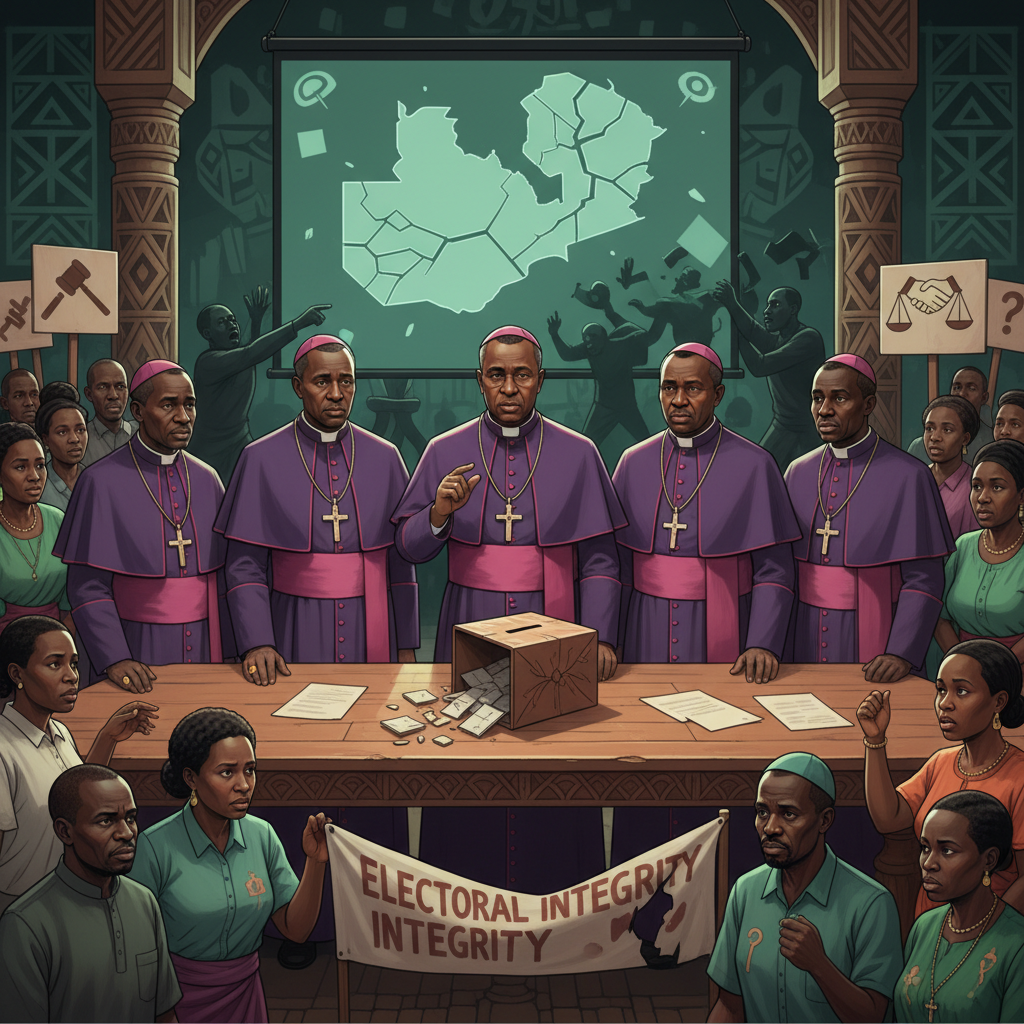
The Zambia Conference of Catholic Bishops (ZCCB) has issued a stern pastoral call to the nation, registering profound anxiety over escalating political tensions and the growing friction affecting electoral credibility. In a comprehensive statement that resonates deeply across the country's civic landscape, the bishops emphasized that the long-term stability and democratic credentials of Zambia depend heavily on uncompromised transparency, adherence to the rule of law, and mutual respect among political stakeholders. Clerical leaders underscored that public confidence in state institutions—particularly those tasked with managing civic participation and electoral administration—remains foundational to peace. The ZCCB cautioned that any perceptions of bias, operational opaqueness, or the shrinking of democratic civic spaces risk polarizing communities along partisan and regional lines. They urged all political actors to reject inflammatory rhetoric, partisan hostility, and the mobilization of cadres for intimidation, reminding the nation that true leadership is measured by its commitment to the common good rather than narrow political survival. Furthermore, the church mother body called upon the Electoral Commission of Zambia (ECZ) and security wings to execute their statutory duties with absolute impartiality and independence. The bishops noted that a credible electoral framework requires that every citizen feels secure in exercising their constitutional franchise without fear of coercion or state-backed disadvantage. Stressing that peace is a fragile national asset cultivated over decades, the clerics reminded political aspirants that no office is worth the blood or division of the Zambian people. Civil society organizations and governance watchdogs have largely welcomed the church's intervention, noting that religious bodies have historically served as moral anchors during periods of heightened political anxiety. As political parties position themselves for upcom