Southern Africa Mobilises as El Niño Threatens Regional Farming
ENVIRONMENTBy Zambian Agribusiness — Zambian Agribusiness
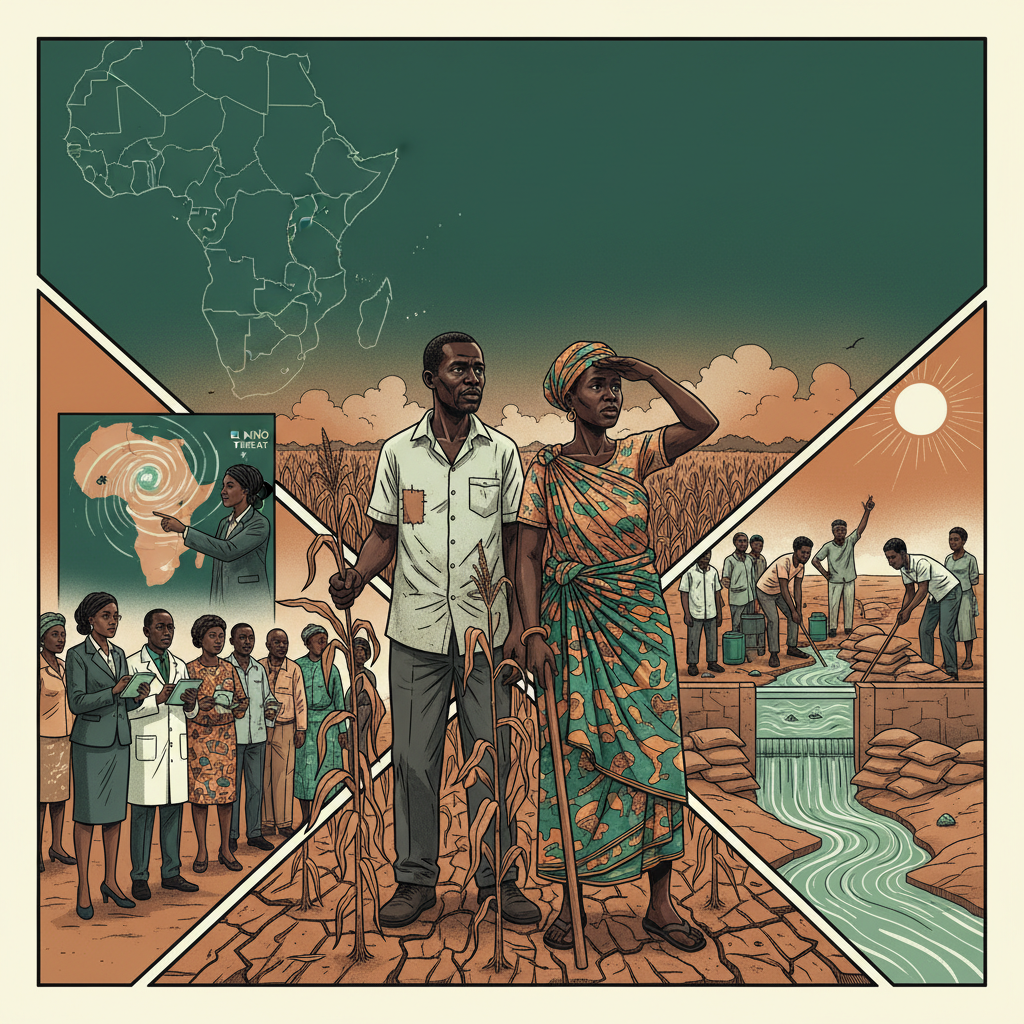
Across Southern Africa's expansive farming belts, an anxious horizon stretches above arable lands that sustain tens of millions of lives. Following formal disclosures delivered at the 33rd Southern Africa Regional Climate Outlook Forum (SARCOF-33) held in Swakopmund, Namibia, regional governments, agricultural syndicates, and international partners have begun urgent mobilizations. Climate scientists and meteorologists have confirmed that a robust El Niño weather pattern is firmly established in the tropical Pacific, projecting severe precipitation deficits and heightened temperatures across central and southern zones of the Southern African Development Community (SADC) for the 2026/27 agricultural season. For Zambia and its immediate neighbors, the consensus outlook carries profound implications. Rain-fed agriculture, which constitutes the backbone of rural livelihoods and national food reserves, remains exceptionally vulnerable to prolonged dry spells and erratic rainfall distribution. Agricultural experts note that the anticipated moisture stress threatens staple cereal production—chiefly maize—just as farming communities continue to grapple with the residual economic shocks of previous climate-induced downturns. In response, policymakers are under intense pressure to shift from reactive disaster management toward proactive anticipatory planning, ensuring that drought-resistant seed varieties, optimized irrigation strategies, and strategic grain reserves are deployed efficiently before the rains fail. The regional alert has likewise triggered frantic reassessments within financial and commercial farming sectors. Commercial producers, input suppliers, and multilateral organizations like the Food and Agriculture Organization (FAO) are coordinating financing frameworks to secure agricultural inputs and livestock feed ahead of schedule. Analysts emphasize that while commercial operations equipped with advanced irrigation and strong capital buffers may weather the me