BATTLE FOR PARAMOUNTCY….three chiefs back historical ‘Supreme King’ of the Bene Mukuni Dynasty
INSTITUTIONSBy Zambian Observer — Zambian Observer
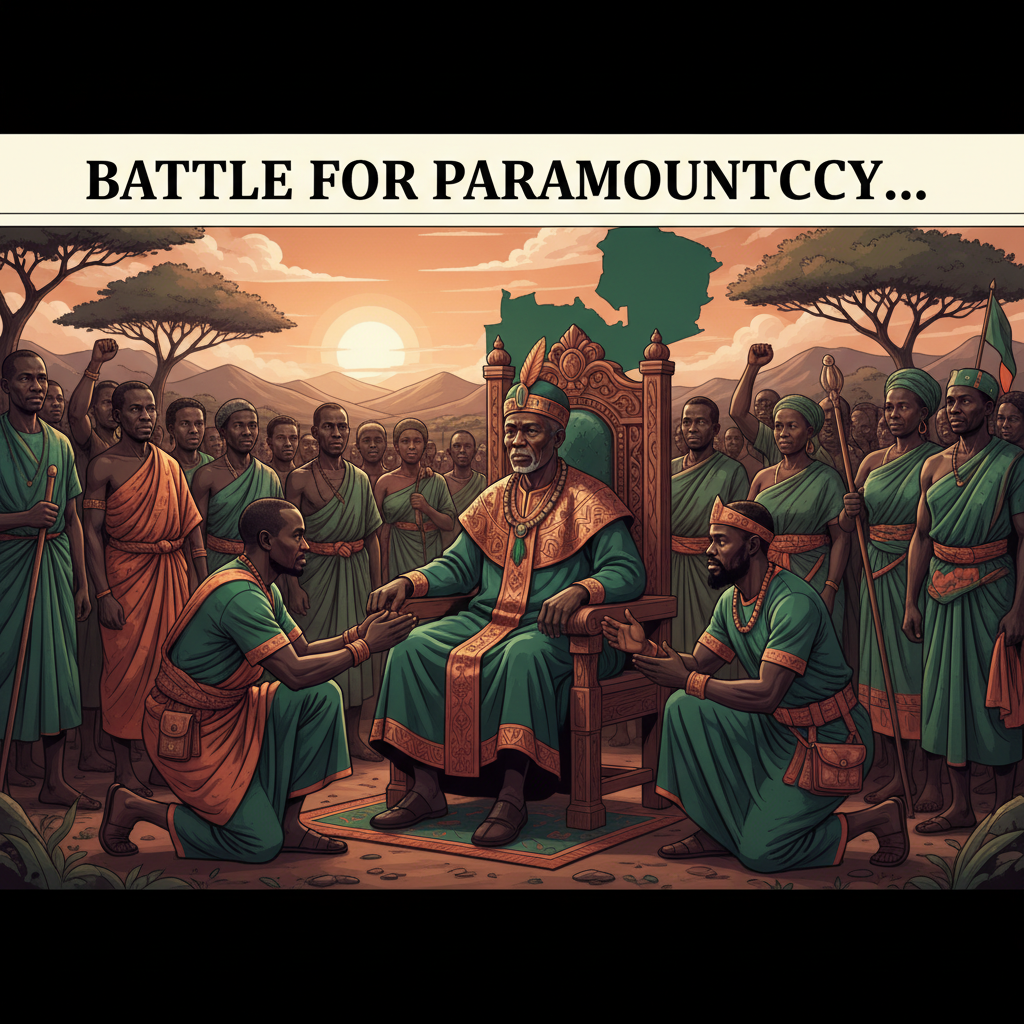
A high-stakes legal and historical contest is unfolding before the Constitutional Court of Zambia as several prominent traditional leaders step forward to endorse the historical paramountcy of Chief Mukuni within the Bene Mukuni Royal Dynasty. Traditional rulers including Chief Sandwe, Chief Chembe, and Chief Chipepo have lodged formal witness statements testifying that oral history, traditional customs, and lineage confirm Chief Mukuni as the highest authority and supreme leader of the dynasty. This judicial battle stems from a petition filed by Jonas Shakafuswa, acting as director-general of the Bene Mukuni Royal Dynasty Committee, who is challenging the Attorney-General to formally reclassify Chief Mukuni XIX of the Toka-Leya people from an ordinary chief to a paramount chief. The testimonies presented before the court delve deep into centuries-old migratory histories, tracking the journey of the Bene Mukuni people from Kola in the modern-day Democratic Republic of Congo down through Central and Southern provinces. Witnesses such as Chief Sandwe IX, John Zimba, detailed how interconnected chiefdoms across different provinces share bloodlines and historical roots tied directly to the Mukuni royal establishment. According to these historical accounts, when critical succession or boundary disputes historically arose among descendant chiefdoms in regions like Eastern and Central provinces, it was tradition to look to Mukuni Munokalya for final arbitration and guidance. Shared Chandalala, a hereditary spiritual leader and senior trustee of the Bene Mukuni shrines, also provided compelling testimony regarding the sacred status of the royal tombs. He emphasized that the holy resting place of the dynasty's founder, Mukuni Mulopwe, located in Namunaki near the Victoria Falls environs, serves as the spiritual anchor validating successive reigns. The legal proceedings underscore the intricate nature of traditional governance in Zambia, where oral heritage, pre-colonial mi