MOH PS bemoans high cases of Childhood Cancer
HEALTHBy Lusaka Times — Lusaka Times
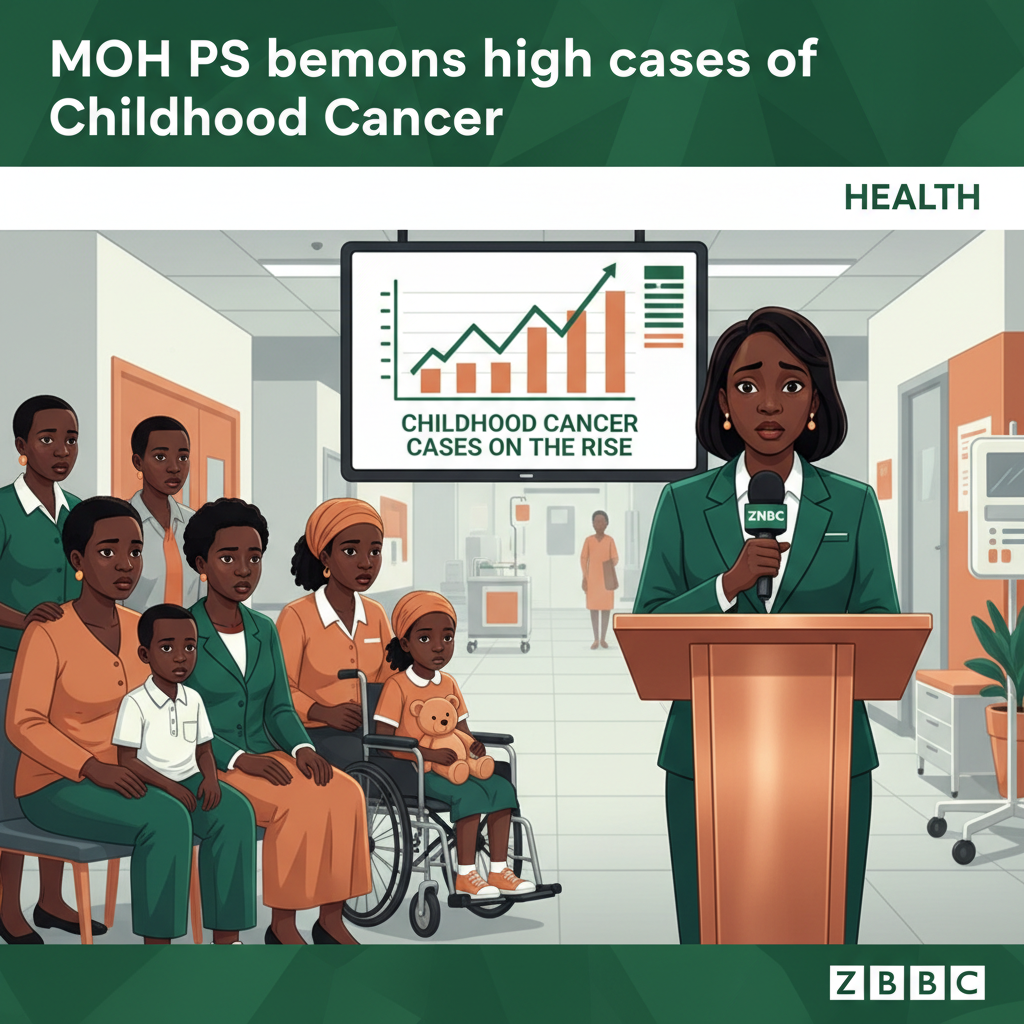
The Ministry of Health has renewed its call for concerted national and international efforts to address the rising burden of childhood cancer in Zambia. Ministry of Health Permanent Secretary Dr. Kennedy Lishimpi recently underscored that pediatric malignancies remain a critical public health challenge, demanding immediate policy interventions, enhanced diagnostic frameworks, and expanded treatment access across the country. Health experts note that hundreds of young patients battle various forms of cancer annually in Zambia, with the vast majority relying on specialized care provided through major referral institutions such as the Cancer Diseases Hospital in Lusaka. However, structural challenges—including late-stage presentations, a shortage of specialized pediatric oncologists, and logistical hurdles for families traveling from rural areas—continue to impede optimal treatment outcomes. in response to these systemic gaps, the government, alongside international partners like the World Health Organization and St. Jude Children’s Research Hospital, has sought to streamline the supply chain for essential pediatric oncology medicines. Initiatives under global access platforms aim to bridge historic disparities in drug availability, ensuring that vulnerable children receive life-saving therapies regardless of geographical or socioeconomic constraints. Furthermore, the Ministry is actively pursuing the decentralization of cancer screening and treatment services. Plans to upgrade regional facilities, such as the upcoming cancer treatment centers outside Lusaka, are intended to ease the pressure on central hospitals and reduce the financial strain on low-income households who bear heavy transport and accommodation costs during prolonged therapies. Medical professionals continue to emphasize that unlike many adult cancers, several childhood malignancies exhibit high sensitivity to modern chemotherapy, resulting in significantly higher survival rates when detected early