How Climate-Smart Farming is Powering Zambia’s Female Farmers
ENVIRONMENTBy Zambian Agribusiness — Zambian Agribusiness
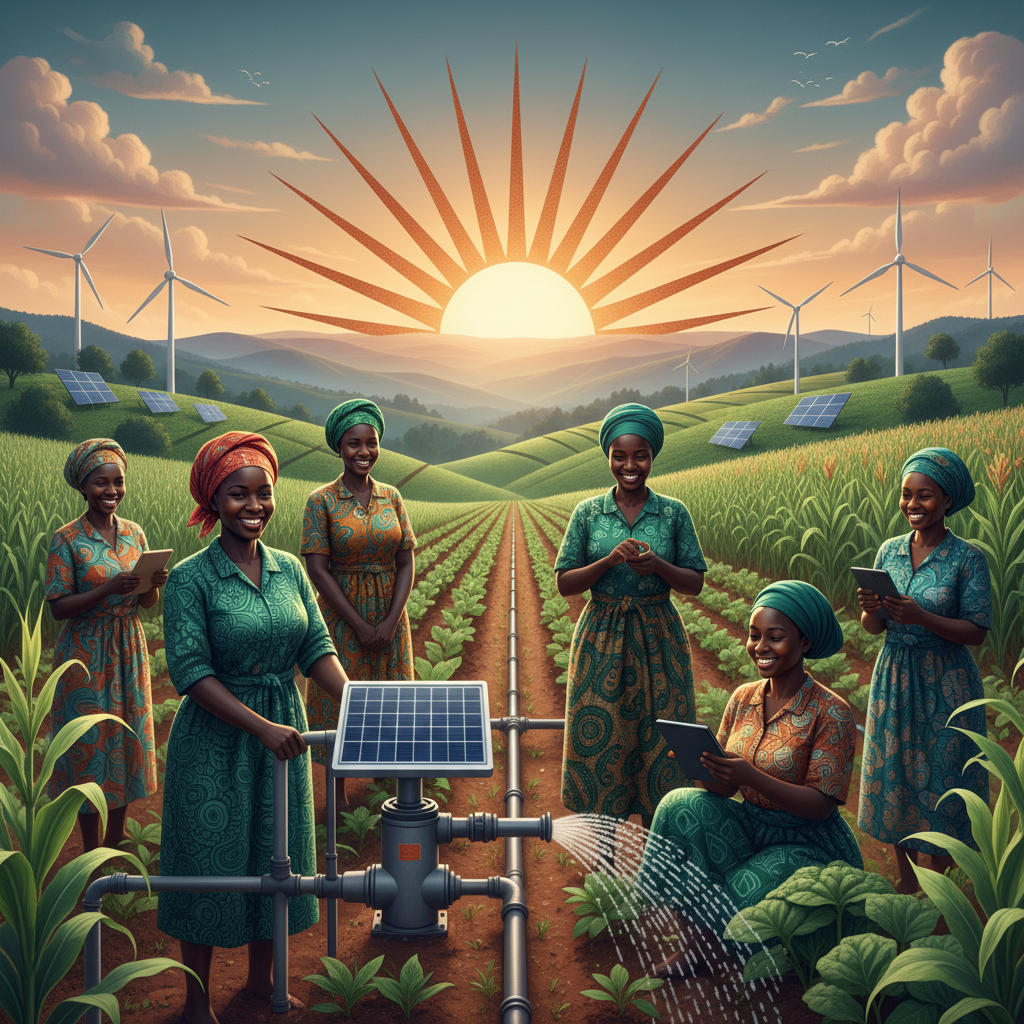
In the red-dirt countryside of Chipata, nestled in eastern Zambia, the rhythm of life has long been dictated by unpredictable skies, exhausted soils, and backbreaking traditional labor. For generations, women have formed the backbone of Zambia's agricultural sector, accounting for over seventy percent of the rural labor force while historically facing systemic barriers to land ownership, credit, and modern inputs. However, a quiet transformation is underway as female smallholders embrace climate-smart agriculture (CSA) to rewrite their economic and familial destinies. Initiatives such as the Zambia Integrated Forest Landscape Project (ZIFLP) and various sustainable intensification programs are equipping women with vital knowledge in soil fertility management, crop rotation, conservation farming, and agroforestry. Rather than relying on chemically intensive fertilizers that remain financially out of reach for many rural households, farmers are utilizing techniques like minimum tillage and legume intercropping to naturally restore degraded land and conserve vital soil moisture. These methods not only reduce physical labor demands but also yield resilient harvests despite erratic rainfall and prolonged dry spells. For local farmers like Sarah Phiri and Mirriam Lungu, the shift toward sustainable techniques has translated into tangible, life-altering benefits. Where harvests once withered under erratic weather patterns, diversified crops like beans, maize, and sunflower now thrive, ensuring year-round household food security and surplus produce for local markets. The resulting financial stability has enabled mothers to pay school fees, invest in secondary micro-enterprises such as poultry farming, and secure better healthcare for their dependents without sinking into perpetual debt. Beyond individual household prosperity, these agricultural innovations are fostering wider community leadership. Women trained as lead farmers are establishing cooperatives and passing co