Looking Beyond Subsidies to Fund Agricultural Growth
BUSINESSBy Zambian Agribusiness — Zambian Agribusiness
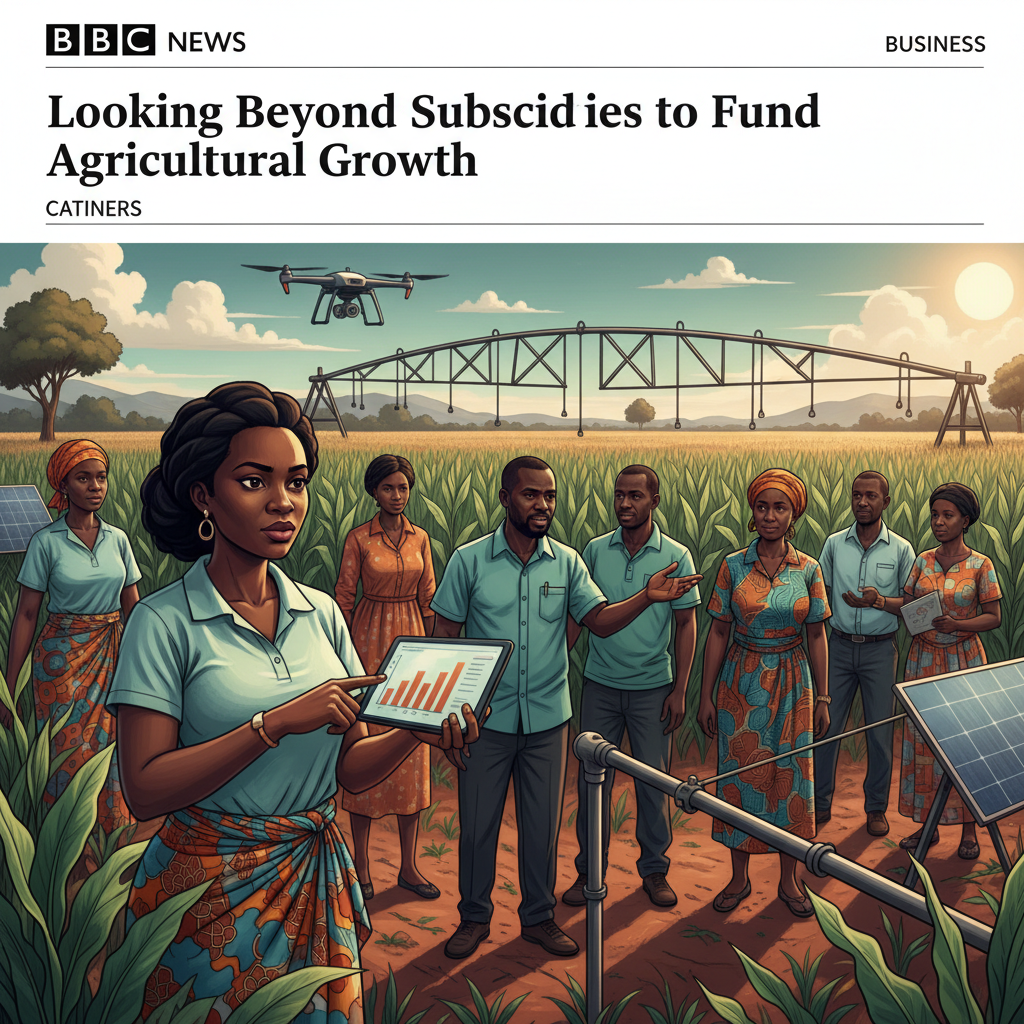
Recent record harvests have brought Zambia's agricultural ambitions into sharper focus, underscoring the critical need to transition from short-term input subsidies to sustainable, long-term financing frameworks. While programs like the Farmer Input Support Programme (FISP) have historically provided essential relief to smallholder farmers, policymakers and economic analysts increasingly agree that the sector's next phase of growth depends on broader financial inclusion, robust infrastructure, and enhanced access to credit markets. Zambia's recent agricultural output, highlighted by bumper harvests in key staples, demonstrates the country's immense potential to transform into a regional breadbasket. However, realizing this vision requires addressing deep-seated structural bottlenecks. Smallholder and emergent farmers frequently struggle to secure commercial financing due to high interest rates, perceived climate risks, and a lack of collateral. Expanding initiatives such as the Sustainable Agriculture Financing Facility (SAFF) and leveraging strategic partnerships with international financial institutions are vital steps toward bridging this capital gap. Beyond direct farm-gate financing, modernizing Zambian agriculture demands heavy capital expenditure in value addition, agro-processing, and rural infrastructure. Moving away from raw commodity exports toward local milling, food processing, and storage facilities will insulate farmers from price volatility and drastically reduce post-harvest losses. Furthermore, integrating digital solutions and climate-resilient farming techniques will ensure that productivity gains can withstand recurring environmental shocks like droughts. Ultimately, a shift toward a market-driven, well-financed agricultural ecosystem promises to unlock thousands of jobs and stimulate rural economies across all ten provinces. As the government continues to refine its national development strategies, harmonizing public support with private sec