Government appeals for investment in disaster preparedness
ENVIRONMENTBy Lusaka Times — Lusaka Times
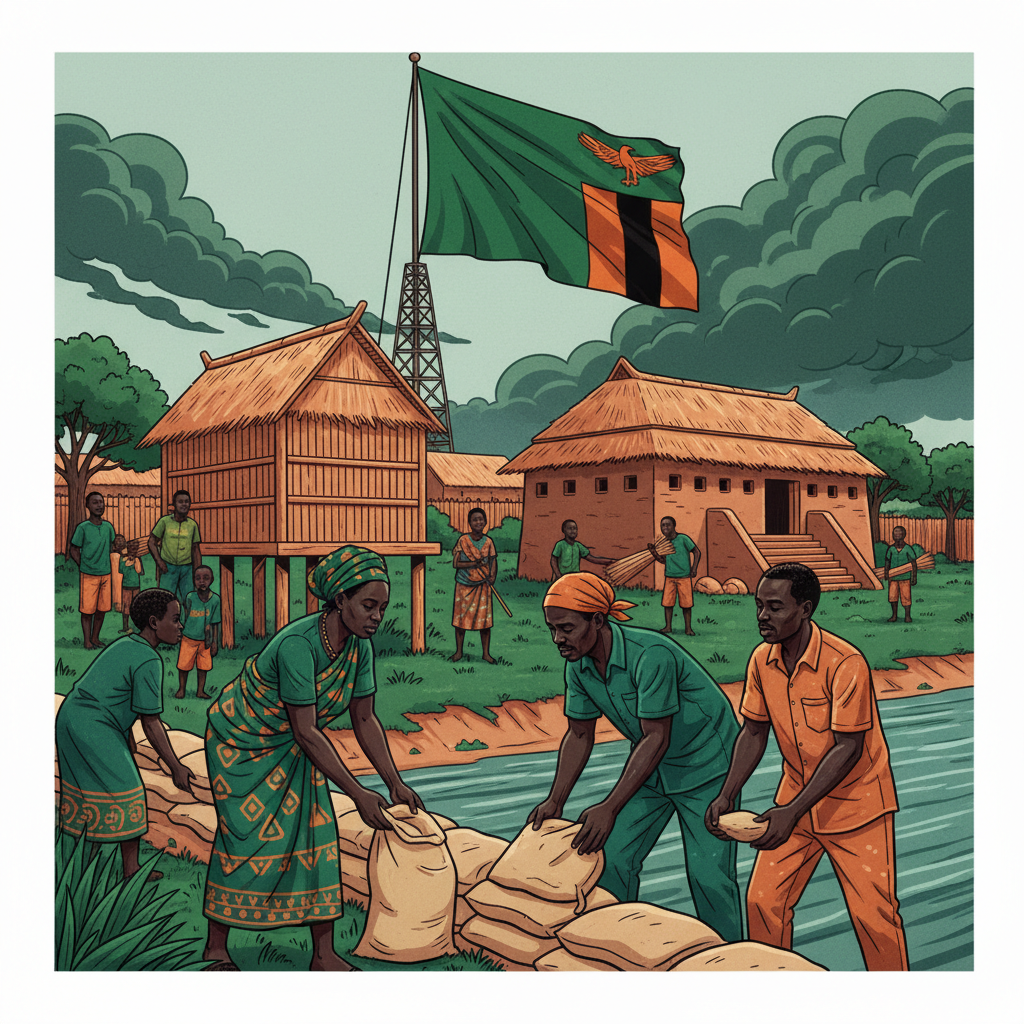
Minister of Green Economy and Environment, Dr. Gilbert Siame, has made a compelling appeal for heightened domestic and international investment in last-mile early warning systems, underscoring the urgent necessity to upgrade Zambia's national disaster preparedness infrastructure ahead of projected El Niño weather patterns. Speaking during recent stakeholder engagements in Lusaka, Dr. Siame emphasized that building enduring climate resilience requires a decisive shift away from reactive crisis management toward robust, predictive mechanisms that reach the most vulnerable grassroots communities without delay. This strategic call to action comes on the heels of severe climate shocks that have severely tested Zambia's socio-economic fabric in recent years, notably the devastating droughts that impaired agricultural yields and national hydroelectric generation. Environmental experts and policymakers have increasingly warned that recurring weather aberrations are no longer isolated anomalies but represent a chronic, structural challenge to sustainable development. Consequently, establishing effective last-mile communication networks ensures that remote rural populations and densely populated urban informal settlements receive timely, actionable meteorological data. Dr. Siame noted that reinforcing early warning architecture is a cornerstone of the broader government agenda to mainstream climate adaptation into national economic planning. By integrating advanced forecasting with localized dissemination strategies, the Ministry aims to protect smallholder farmers, secure water resources, and mitigate disruptions to food security. Collaborative frameworks involving academic institutions, meteorological agencies, and international development partners are being galvanized to pool technical expertise and mobilize necessary green climate financing. Industry stakeholders have welcomed the ministerial focus, pointing out that previous gaps in localized communication often hamp