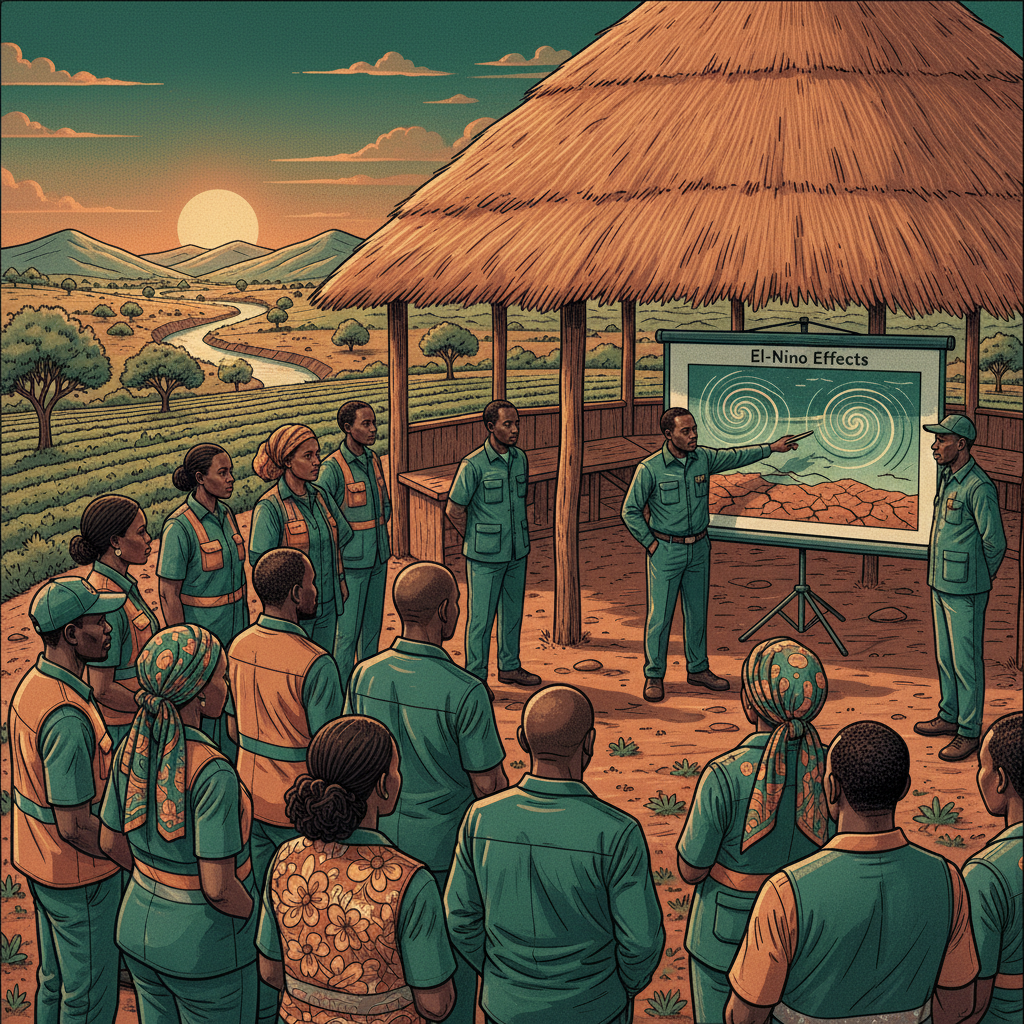
Luangwa Agricultural officers undergo El-Nino effects training
ENVIRONMENTBy Lusaka Times — Lusaka Times
In an inspiring display of grassroots environmental stewardship, an 80-year-old resident of Lububa area in Luampa District has emerged as a beacon of hope for forest conservation. Mr. Mulele Masiye, a senior environmental advocate known for his relentless tree-planting initiatives across the Western Province, has successfully spearheaded a community-led project securing over 1,000 hectares of land dedicated entirely to natural forest regeneration. Amid escalating concerns over rapid deforestation, climate shocks, and environmental degradation, Mr. Masiye’s initiative underscores the profound impact that local, community-driven frameworks can achieve when traditional knowledge meets practical conservation efforts. The project comes at a critical juncture for Zambia, as rural districts increasingly grapple with the adverse effects of erratic weather patterns, prolonged dry spells, and intensified charcoal production. For generations, local communities in Luampa and surrounding areas have depended heavily on woodland ecosystems for subsistence, energy, and agriculture. However, unchecked clearing of indigenous trees has severely compromised local microclimates and soil fertility. By rallying traditional leaders, local farmers, and youth groups, Mr. Masiye has fostered a shared sense of responsibility to halt indiscriminate tree cutting and protect vulnerable ecosystems for future generations. Observers note that such community-based interventions complement broader national strategies aimed at promoting climate resilience and sustainable land management. Government bodies and non-governmental organizations have repeatedly emphasized that top-down policy measures alone are insufficient without active grassroots buy-in. The 1,000-hectare regeneration zone serves as a living laboratory for sustainable land use, demonstrating how protected buffer zones can naturally restore degraded soils, safeguard water tables, and enhance local biodiversity without requiring massive e