PPHPZ, GIZ launch Solid Waste Management plan
ENVIRONMENTBy Lusaka Times — Lusaka Times
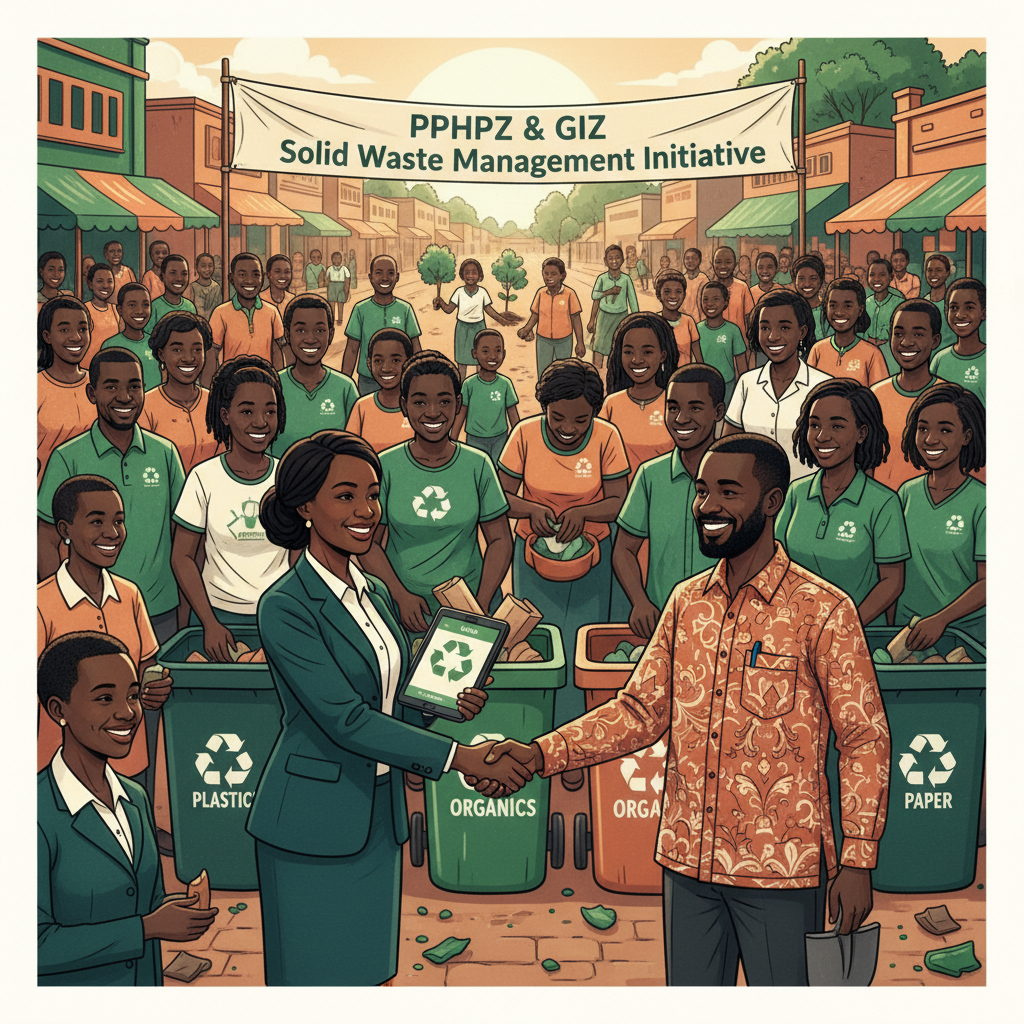
The People's Process on Housing and Poverty in Zambia (PPHPZ), operating alongside the Zambia Homeless and Poor People's Federation (ZHPPF) and with the strategic backing of international partners like GIZ, has officially initiated the Bauleni Solid Waste Management framework. This development follows a rigorous series of stakeholder mapping and engagement sessions designed to confront the deep-seated sanitation and refuse collection deficits plaguing Lusaka's densely populated informal settlements. By focusing heavily on Bauleni township, the initiative seeks to establish a comprehensive, one-year Integrated Solid Waste Management Plan that bridges the gap between grassroots realities and municipal administrative capacity. Rapid urbanization and unregulated population growth across Lusaka have severely strained traditional municipal waste collection services managed by the Lusaka City Council (LCC). Informal settlements like Bauleni frequently bear the brunt of this infrastructural shortfall, resulting in indiscriminate dumping along roadsides, blocked drainage systems, and heightened environmental health risks. The new PPHPZ-GIZ framework moves away from top-down imposition by actively incorporating local youth representatives, community federation members, and municipal authorities into every phase of the planning matrix. Such inclusive mapping ensures that the unique topographical and socioeconomic hurdles of the settlement are directly addressed in the final policy framework. Public health considerations remain a core driver behind this multi-stakeholder intervention. Historical precedents, notably severe waterborne disease outbreaks such as cholera, have repeatedly demonstrated how poorly managed solid waste and compromised sanitation networks can threaten thousands of urban lives. By establishing reliable pathways for waste sorting, collection, and safe disposal, the Bauleni plan acts as a localized shield against preventable public health emergencies. Furt