Shibuyunji Youths to benefit from Smart Agriculture Project
BUSINESSBy Lusaka Times — Lusaka Times
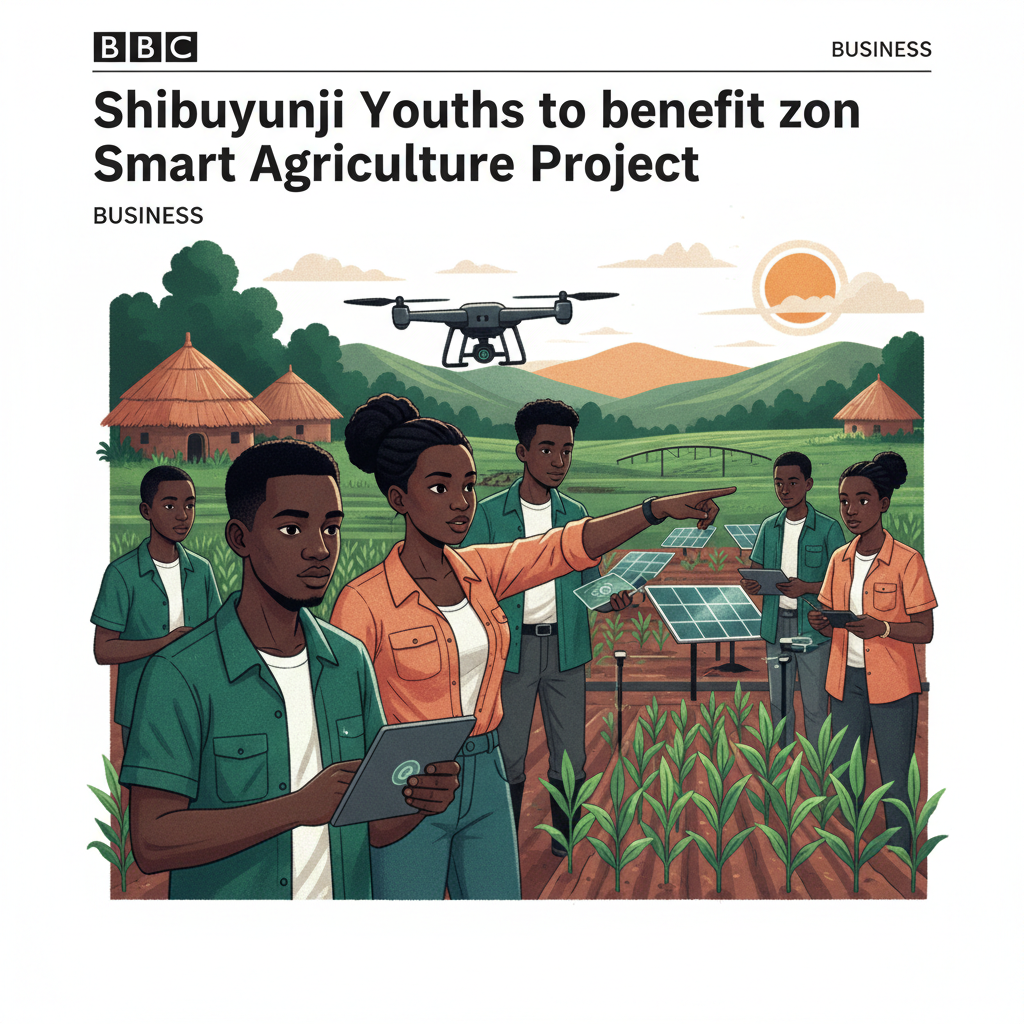
A transformative three-year smart agriculture and youth empowerment project has been launched in the Shibuyunji District, targeting over 2,000 young people. Spearheaded by Development Aid from People to People (DAPP), the initiative seeks to address growing youth unemployment and climate vulnerability by equipping the next generation of farmers with modern, sustainable agricultural skills. Shibuyunji, located in the Central Province of Zambia, has increasingly faced environmental shocks, including erratic rainfall patterns and dry spells that threaten traditional farming livelihoods. By introducing smart agriculture techniques—such as water-efficient crop management, organic soil enrichment, and climate-resilient crop varieties—the DAPP project aims to shift local perceptions of farming from a subsistence struggle to a viable, profitable business enterprise. Stakeholders have long emphasized that empowering rural youth is crucial for national food security and economic diversification. With agriculture serving as the backbone of Zambia's rural economy, training young people in modern techniques bridges the digital and knowledge gaps that often discourage youth participation in the sector. The program will not only focus on crop production but also incorporate entrepreneurship training, enabling beneficiaries to access markets and manage agricultural value chains effectively. Local community leaders and youth representatives have welcomed the initiative, noting that structured empowerment programs are vital in curbing rural-to-urban migration. Many young people in Shibuyunji previously lacked the capital, land access, or technical knowledge required to venture into commercial farming independently. This multi-year intervention provides a structured pathway for them to anchor their livelihoods within their home district. As the project rolls out its training modules across Shibuyunji, its success could serve as a replicable model for other rural districts facing s