Part 2: Grassroots Resilience – Mainstreaming Climate Action in 2027 CDF and Beyond
ENVIRONMENTBy Solomon Mwampikita — News Diggers
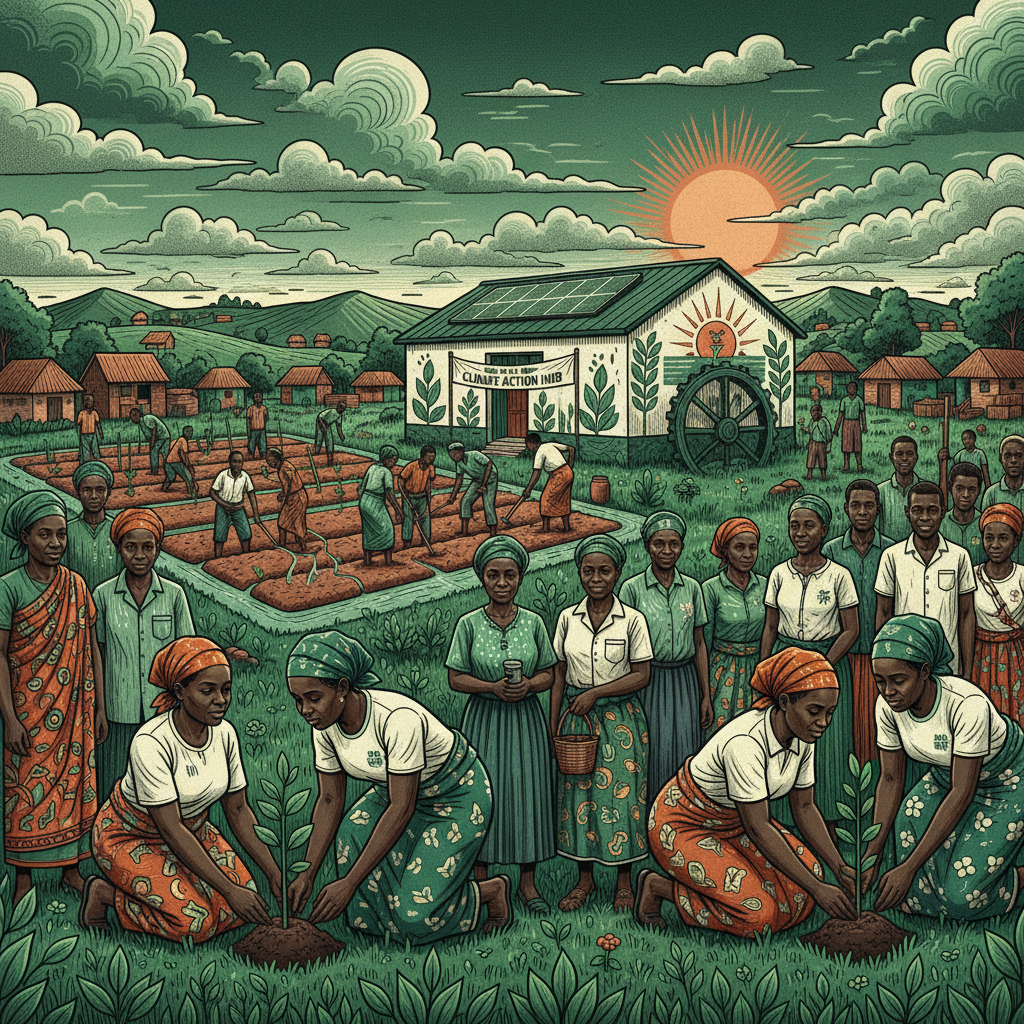
As Zambia navigates the aftermath of the recent general elections, the imperative of embedding environmental sustainability into national development has taken center stage. While macro-level fiscal policies and high-level parliamentary debates set the overarching tone for economic governance, their ultimate success or failure is measured at the community level. Rural villages, peri-urban townships, and farming communities across Zambia's 226 constituencies bear the brunt of erratic weather patterns, prolonged dry spells, and environmental degradation. To build enduring defenses against these shocks, attention must shift toward the most direct and tangible financial instrument available to local lawmakers: the Constituency Development Fund (CDF). Over recent years, the CDF has undergone a radical structural transformation, evolving from a modest, supplementary allocation into a formidable pillar of fiscal decentralization. Anchored by the Constituency Development Fund Act and constitutional provisions, the expanded fund provides a unique vehicle for driving localized economic transformation and infrastructural development. However, despite substantial increases in nominal allocations per constituency, the integration of explicit climate resilience measures into project selection remains uneven. Lawmakers must look beyond conventional infrastructure—such as bridges and administrative blocks—and intentionally direct resources toward climate-smart agriculture, water harvesting structures, afforestation, and green energy solutions. Mainstreaming climate action into the 2027 fiscal framework requires a departure from business-as-usual planning. Constituency development committees and local leadership must be equipped with the technical capacity to conduct climate risk assessments before projects are approved and funded. When rural communities face severe vulnerabilities linked to shifting rainfall and agricultural stress, every kwacha disbursed through the CDF should s