El Niño Is Coming: Zambia Must Prepare, Not Panic – Prof. Lubinda Haabazoka
ENVIRONMENTBy Prof. Lubinda Haabazoka — Mwebantu
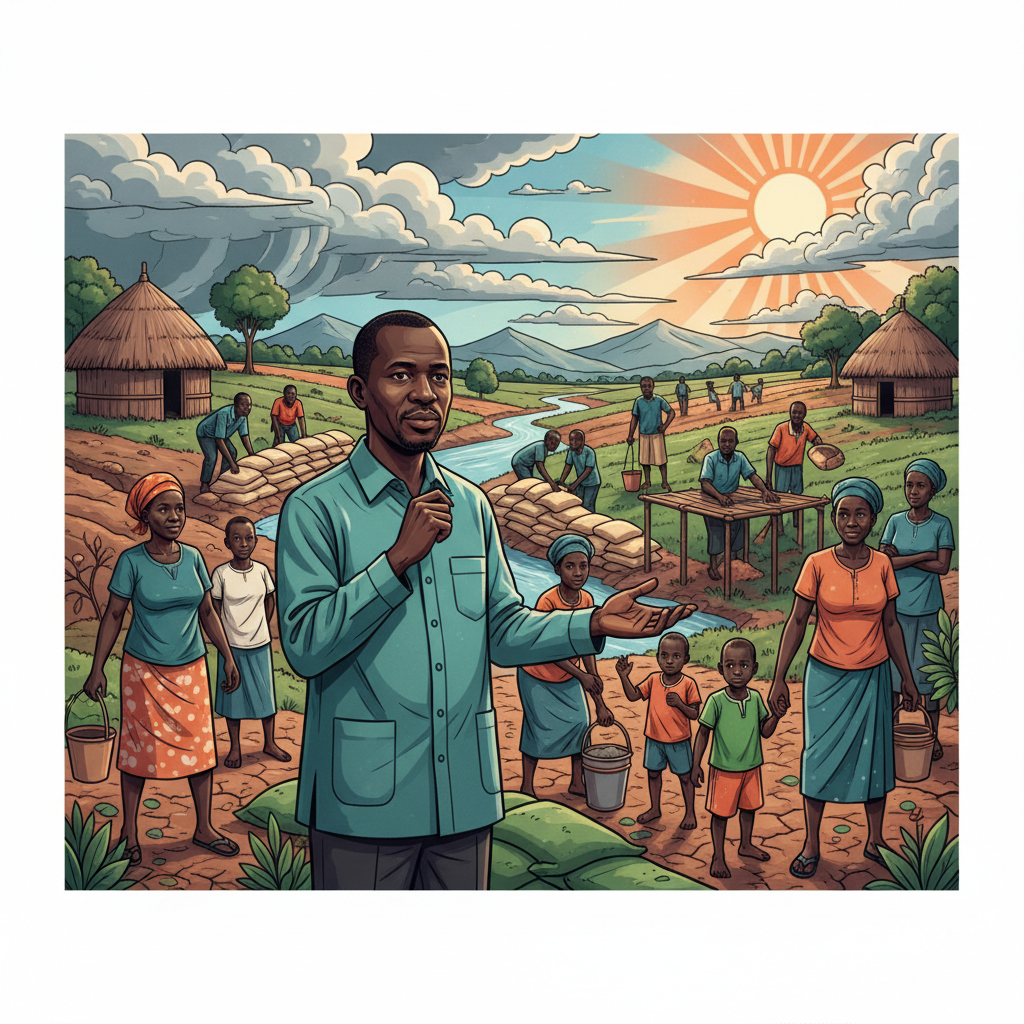
The impending arrival of a strong El Niño phenomenon for the 2026/2027 rainy season has sparked urgent discussions across Zambia regarding national preparedness, food security, and economic resilience. According to recent warnings from meteorological authorities and international bodies like the World Meteorological Organization, the southern region of the country is anticipated to experience delayed and below-normal rainfall, mirroring the climate shocks witnessed in recent years. However, rather than succumbing to despair, economic commentators and agricultural experts argue that the nation must leverage lessons learned from past droughts to fortify its systems. Prominent economist Prof. Lubinda Haabazoka recently noted that while climate forecasts point toward significant challenges for rain-fed agriculture and hydroelectric power generation, weather probabilities should not translate into paralysis. Instead, farming communities are encouraged to adopt smart agronomic practices, such as utilizing early-maturing and drought-resistant crop varieties including sorghum, millet, cassava, and cowpeas. Furthermore, scaling up conservation farming, expanding localized irrigation infrastructure, and ensuring the timely distribution of agricultural inputs remain critical cornerstones for safeguarding rural livelihoods. A vital component of the national strategy involves treating Zambian agriculture as an interconnected, macro-regional production system. While southern and central districts may face moisture deficits, northern and Luapula provinces are projected to receive normal to above-normal precipitation. Policymakers argue that strategic surplus management and expanded production in these resilient zones can help cushion shortfalls elsewhere in the country. Additionally, the country enters this climate threat with buffers from recent harvest improvements, emphasizing the need for prudent grain reserve management and the minimization of post-harvest losses. Beyond c