18 UNIONS, ZERO POWER: WHY IT’S TIME FOR ZAMBIAN TEACHERS TO UNIFY .
INSTITUTIONSBy Zambian Observer — Zambian Observer
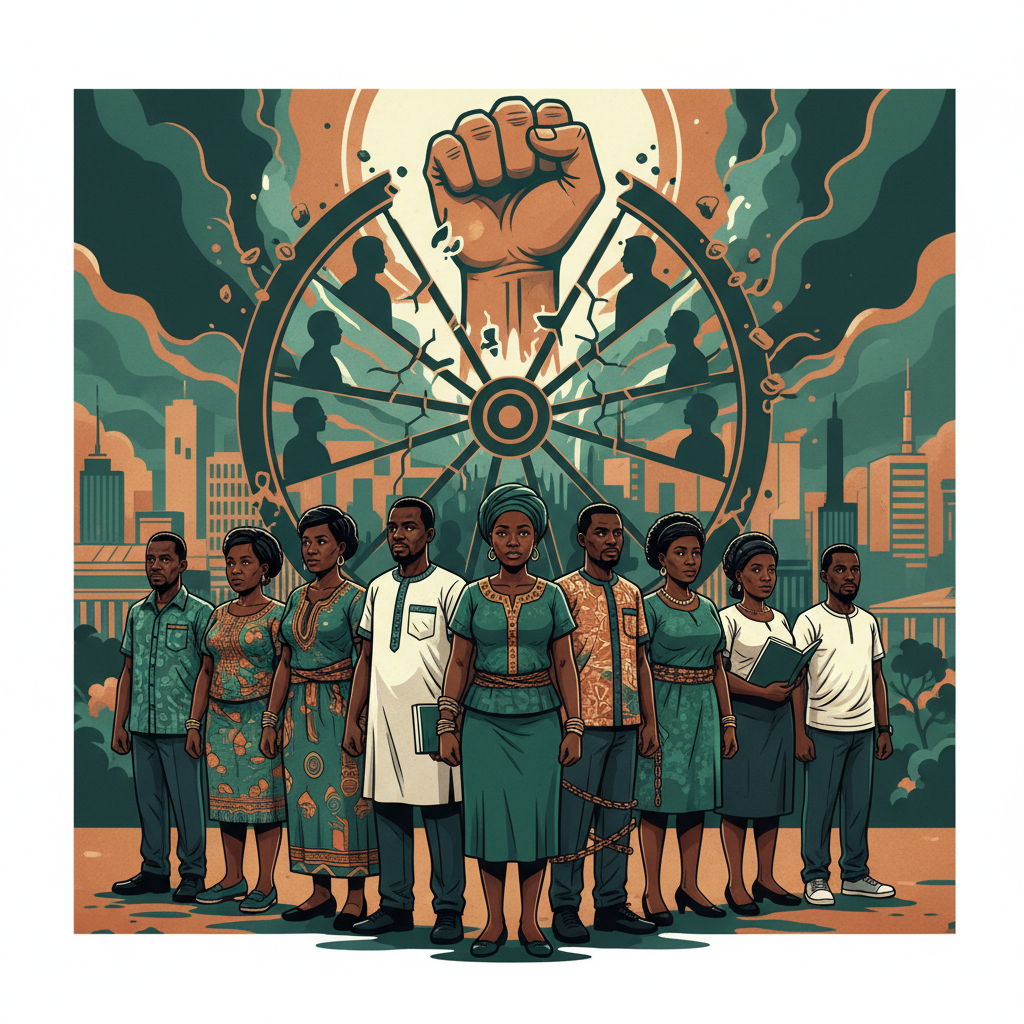
The Zambian education landscape faces a structural crisis that extends far beyond classroom walls and chalk shortages, rooted firmly in the boardrooms and administrative offices where labor rights are negotiated. With no fewer than 18 registered teacher unions currently operating across the country, the collective bargaining power of educators has been systematically fractured. Rather than presenting a unified front to the government and the Ministry of Labour and Social Security, teachers find their voices drowned out by organizational rivalry, competing leadership egos, and a fragmented approach to advocacy. This proliferation of labor bodies has created an environment of administrative confusion and institutional weakness. Historically, strong trade unionism relies on solidarity, scale, and clear strategic focus. However, the splintering of Zambian teachers into nearly two dozen factions has allowed successive administrations to employ classic divide-and-rule tactics during salary negotiations and conditions-of-service reviews. When unions compete for membership dues rather than cooperating for systemic change, the ultimate loser is the ordinary teacher on the ground, struggling against a mounting cost of living and stagnant take-home pay. Moreover, the financial burden on teachers themselves cannot be overlooked. Many educators find themselves paying multiple deductions from their modest payslips toward various union memberships, often in pursuit of promises that fail to materialize. Civil society actors and independent labor advocates have repeatedly pointed out that this unhealthy proliferation does little to serve educational standards or professional welfare. Instead, it breeds administrative bloat within the labor movement while leaving educators vulnerable to unfavorable policy shifts and protracted disputes over allowances and rural deployment incentives. Efforts to establish a cohesive federation or regulatory framework that curbs the unchecked growth