Zambians warned not to eat dead wildlife after anthrax kills dozens of animals
HEALTHBy BBC Africa — BBC Africa
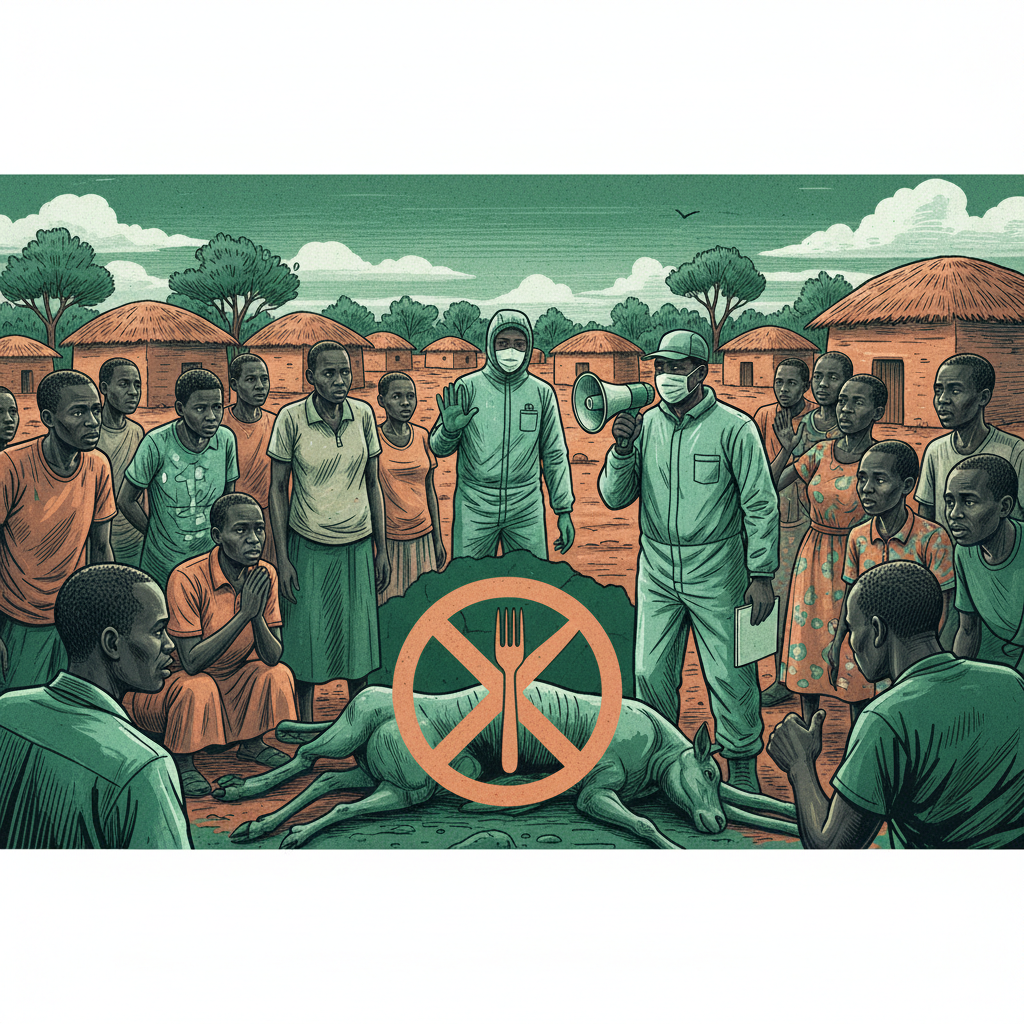
The Zambian government, through the Disaster Management and Mitigation Unit (DMMU) and local health authorities, has intensified containment measures following a confirmed anthrax outbreak in the Munyamadzi Game Management Area of Muchinga Province. Officials have issued a strict nationwide warning advising citizens to completely avoid eating, selling, or handling wild animal carcasses found dead in the bush. This directive comes in the wake of alarming reports indicating that at least 12 individuals have contracted the severe bacterial infection after consuming meat harvested from infected wildlife. According to data released by national disaster coordinators, the outbreak has taken a heavy toll on local wildlife populations since July. The casualties include 46 hippos, eight elephants, five buffaloes, and a crocodile. The concentration of deaths across multiple prominent species has raised serious concerns among wildlife and veterinary experts regarding the rapid environmental circulation of Bacillus anthracis spores, which can remain dormant and viable in the soil for decades, particularly during dry spells or following erratic weather patterns. Anthrax is a grave zoonotic disease caused by spore-forming bacteria that affects both animals and humans. While human-to-human transmission is extremely rare, individuals contract the cutaneous or gastrointestinal forms of the disease primarily through direct contact with infected animal tissues, blood, or by ingesting contaminated meat. Government officials have emphasized that despite boiling or cooking, consuming meat from animals that have died of unknown causes poses a lethal health hazard. Fortunately, health authorities confirmed that all 12 hospitalized patients are currently responding to treatment, and no fatalities have been recorded thus far in connection with this latest cluster. In response to the escalating crisis, emergency medical teams and veterinary specialists have been deployed to the affected reg