UPND DEFENDS REJECTION OF HOT FM CONGRATULATORY MESSAGE
POLITICSBy Zambian Observer — Zambian Observer
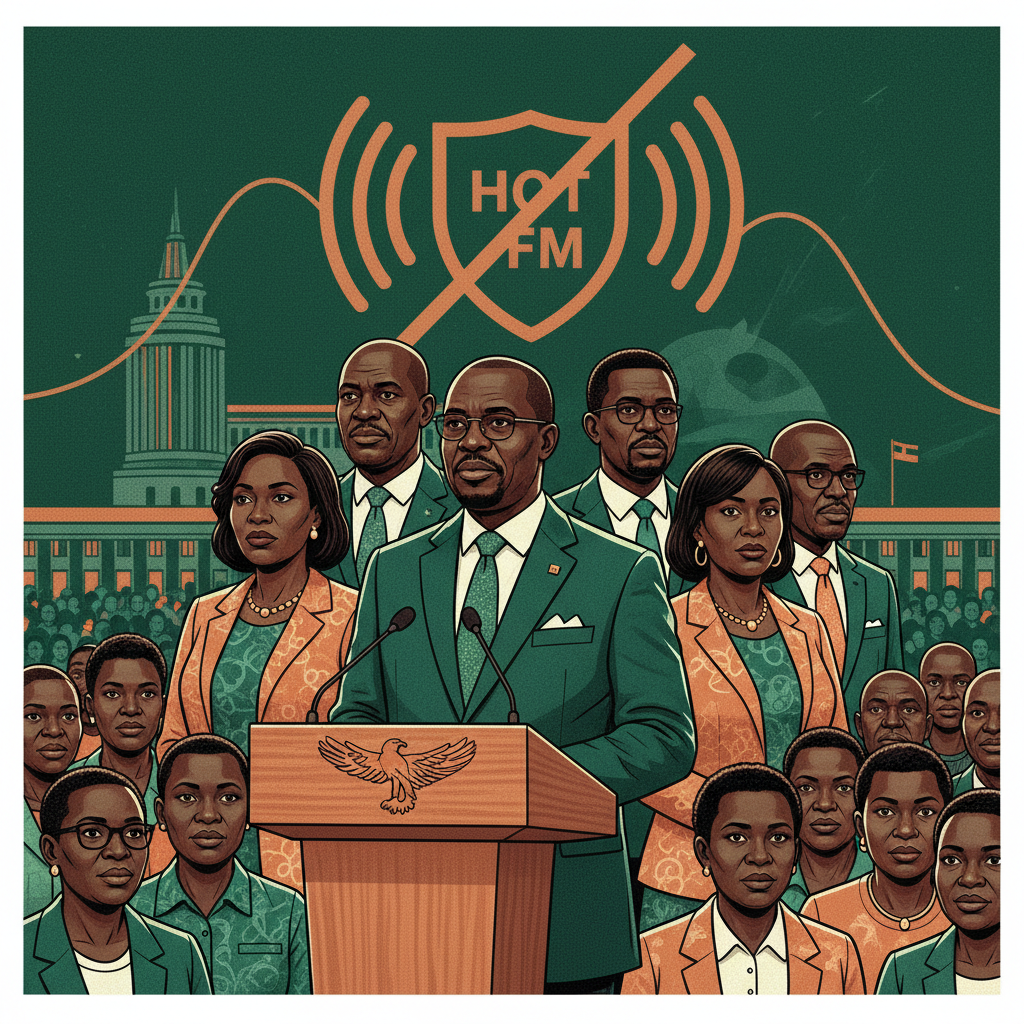
The ruling United Party for National Development (UPND) has firmly defended its decision to rebuff a congratulatory message extended by private broadcaster Hot FM to President Hakainde Hichilema following his victory in the 2026 general elections. Speaking on public platforms, UPND Media Director Mark Simuuwe articulated the party's stance, emphasizing that true political stability and state-media relations must be rooted in sincerity rather than superficial post-election diplomatic gestures. According to the ruling party, Hot FM's editorial posture throughout the grueling campaign season was heavily skewed against the UPND. Simuuwe alleged that the popular commercial radio station repeatedly denied the party fair access to advertising platforms, shutting out spots featuring President Hichilema and highlights of the administration's developmental achievements. Furthermore, the ruling party expressed deep reservation over what it termed selective access and political imbalance, accusing the media house of favoring opposition narratives while frustrating the ruling party's efforts to reach the electorate. The controversy has reignited a fierce national debate regarding the delicate relationship between political entities and the fourth estate in Zambia's growing democracy. While media watchdogs and opposition sympathizers often advocate for unrestricted inclusivity and institutional grace after polls close, ruling party loyalists argue that accountability must precede reconciliation. Simuuwe maintained that the party expected an honest retrospective reflection and acknowledgment from the broadcaster regarding its campaign conduct, rather than routine congratulatory remarks that the party views as deeply ironic. Critics of the UPND's reaction, however, contend that political tolerance requires leadership to rise above grievances once an election cycle concludes. Several civil society observers have noted that rebuffing overtures from private media houses risks sett