Suspected anthrax recorded in Muchinga Province
HEALTHBy Lusaka Times — Lusaka Times
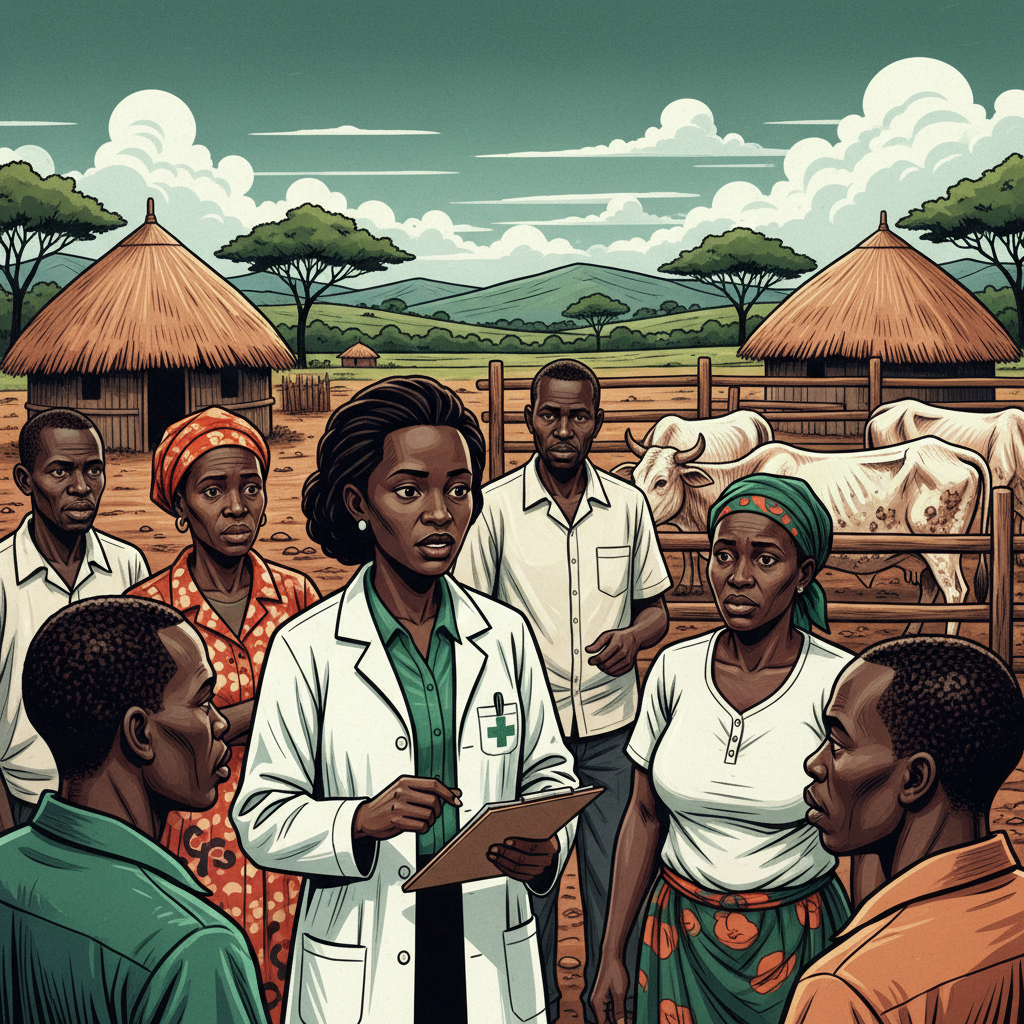
The National Disaster Risk Management Division (DRMD) has issued an urgent public health alert regarding suspected anthrax cases and concurrent environmental pollution identified across three districts within Muchinga Province. This latest development adds strain to local health infrastructures and highlights ongoing vulnerabilities concerning zoonotic disease transmissions in rural Zambian communities, where traditional handling of livestock and wildlife remains prevalent. Local health authorities and environmental protection teams have been mobilized to investigate the source of the contamination and assess the full extent of the suspected outbreak. Anthrax, a severe bacterial infection caused by Bacillus anthracis, poses significant risks to both human and animal populations. Communities in the affected districts have been strongly advised to avoid consuming meat from animals that have died suddenly or from unverified sources, as handling carcasses remains one of the primary vectors for human infection. In response to the alert, provincial medical teams are conducting active surveillance and contact tracing, alongside public awareness campaigns emphasizing safe handling and disposal practices. The emergence of these suspected cases underscores the critical importance of a coordinated "One Health" approach, uniting human health, veterinary services, and environmental management agencies to tackle outbreaks before they escalate into wider regional crises. As laboratory results are awaited to officially confirm the diagnosis, traditional leaders and local councils in Muchinga Province are cooperating with district commissioners to restrict movement and trade of uninspected animal products. Broader public health education initiatives are also being ramped up across local radio broadcasts to ensure that remote communities understand the risks associated with anthrax exposure and know how to seek immediate medical attention if skin lesions or other symptoms appear.