Malawi fuel crisis deepens
REGIONALBy Chimwemwe Padatha, Cai Nebe — DW (English)
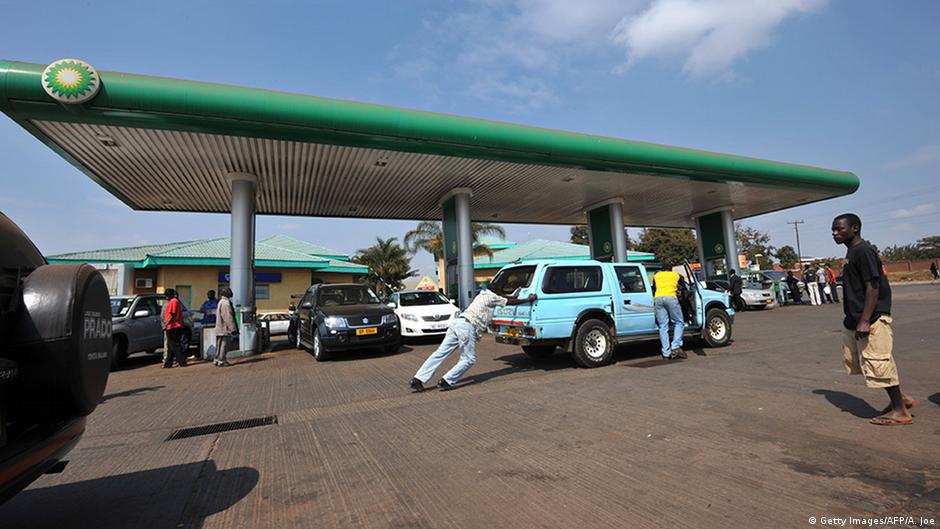
LILONGWE – Malawi, a landlocked nation bordering Zambia, is currently in the throes of an unprecedented fuel crisis, a situation that has sent ripples of concern across the Southern African region. Despite official reassurances from the Malawian government that the country possesses adequate fuel reserves, the reality on the ground paints a grim picture, with most filling stations across the nation reporting dry pumps and long queues becoming a common, frustrating sight for motorists and businesses alike. The severity of the crisis has compelled the Malawian government to undertake drastic measures, including the controversial decision to sell off a portion of its precious gold reserves to finance fuel imports. This move, while providing a short-term solution to alleviate immediate shortages, carries substantial long-term economic risks, including the depletion of national assets and potential currency instability. Critics argue that such a measure underscores a deeper systemic issue within the country's economic management and its vulnerability to external shocks in the global oil market. For Zambia, a fellow landlocked nation heavily reliant on imported fuel, Malawi's predicament serves as a potent cautionary tale. Both countries share similar geographical disadvantages and economic structures, making them susceptible to disruptions in global supply chains and price fluctuations. The Malawian experience highlights the critical importance of robust strategic fuel reserves, diversified energy sources, and sound fiscal policies to cushion economies against such crises. Zambian policymakers are undoubtedly observing the situation closely, evaluating their own preparedness and resilience. The economic ramifications of the fuel scarcity in Malawi are profound and far-reaching. Businesses are struggling with increased operational costs, transportation of goods has been severely hampered, and the agricultural sector, the backbone of the Malawian economy, faces signific