UNZA launches IRIMS to transform research management and boost visibility
EDUCATIONBy Lusaka Star — Lusaka Star
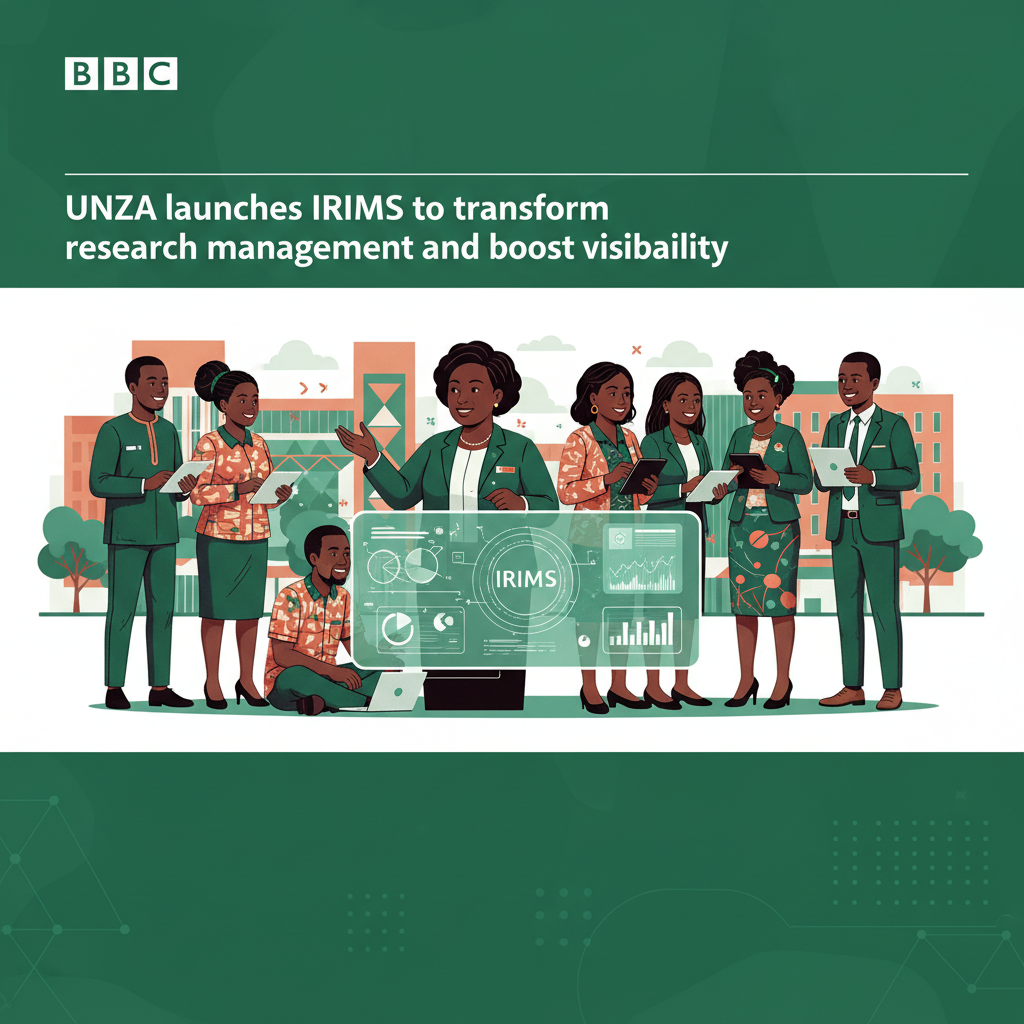
The University of Zambia (UNZA) has officially commenced comprehensive training for the Integrated Research Information Management System (IRIMS) at its main campus in Lusaka. Bringing together key stakeholders, researchers, and academic personnel, the initiative marks a critical milestone in the institution's ongoing efforts to modernize its administrative and research infrastructure. As the nation's premier higher learning institution, UNZA handles a vast volume of academic and scientific inquiry, making the transition to a centralized digital system a vital step toward operational efficiency. Historically, academic institutions in Zambia have faced structural hurdles in tracking, archiving, and showcasing research outputs due to fragmented record-keeping systems. The rollout of IRIMS is designed to bridge this gap by offering a unified digital gateway for research projects, grants, publications, and institutional collaborations. By streamlining these workflows, the university aims to reduce bureaucratic delays and provide real-time data access for policy makers, academics, and international partners seeking local expertise. Beyond administrative convenience, a core objective of the IRIMS platform is to boost the global visibility and citation metrics of UNZA scholars. In an era where international academic rankings heavily depend on digital footprint and open-access research dissemination, Zambian researchers have often been underrepresented on global platforms. The new system provides structured author profiles and repository spaces that facilitate cross-border academic networking, opening doors for international grants and collaborative ventures focused on regional socio-economic challenges. The ongoing training sessions are tailored to equip faculty members, researchers, and administrative staff with the technical competencies required to navigate the platform effectively. Participants are being guided through data entry protocols, profile optimization, and