CRIMINALITY MUST NEVER BE DRESSED UP AS DIALOGUE
POLITICSBy Zambian Observer — Zambian Observer
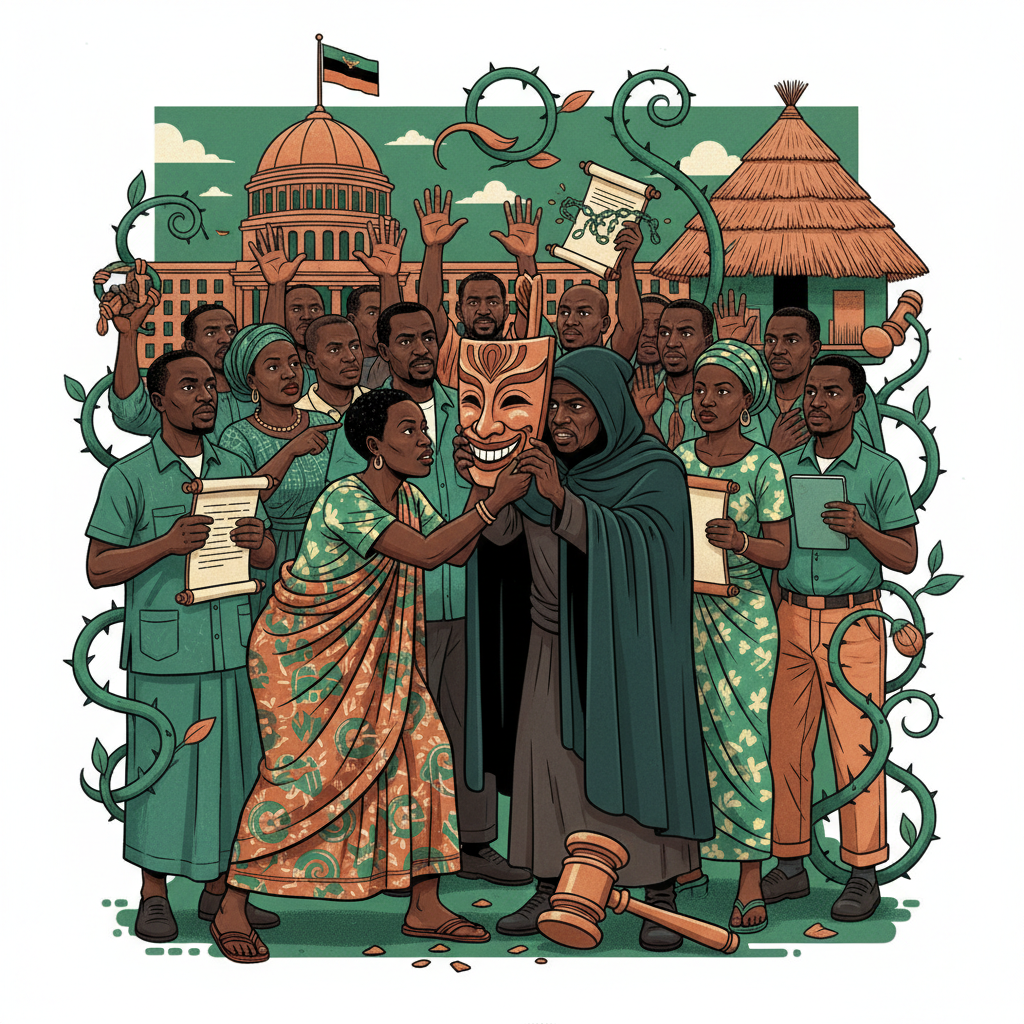
The ruling United Front for National Development (UPND) has intensified its rhetorical stance against political figures attempting to evade prosecution, with Media Director Mark Simuuwe declaring that criminal activity must never be dressed up as dialogue. Speaking in Lusaka amid heightened political tensions and ongoing court cases involving high-profile figures, Simuuwe emphasized that criminal accountability should remain strictly within the purview of the country's legal institutions. Simuuwe's remarks come in response to growing maneuvers by opposition elements and commentators seeking to reframe serious criminal allegations—ranging from financial improprieties to national security breaches—as mere political disagreements or selective persecutions. The ruling party maintains that individuals facing legitimate charges must subject themselves to due process rather than seeking sanctuary behind public relations campaigns, civil society advocacy, or international platforms. Legal analysts in Lusaka note that the friction between political rhetoric and judicial independence has become a central feature of Zambia's contemporary political landscape. While opposition parties frequently decry what they perceive as weaponized justice and shrinking democratic space, the administration insists that equality before the law demands that no citizen, regardless of political affiliation or social standing, is immune from answering to criminal indictments. Furthermore, the discourse highlights broader concerns regarding the intersection of politics and the administration of justice ahead of critical electoral cycles. Government defenders argue that condoning unlawful acts under the guise of national dialogue undermines constitutional order and sets a dangerous precedent for impunity. Conversely, critics caution against the acceleration of high-profile arrests, warning that public perception can easily skew toward political victimization if transparency and institutional impar