Zambia Army tells its critics to stand down. After the deadly Kabulonga raid, is that restraint, or a warning against scrutiny?
POLITICS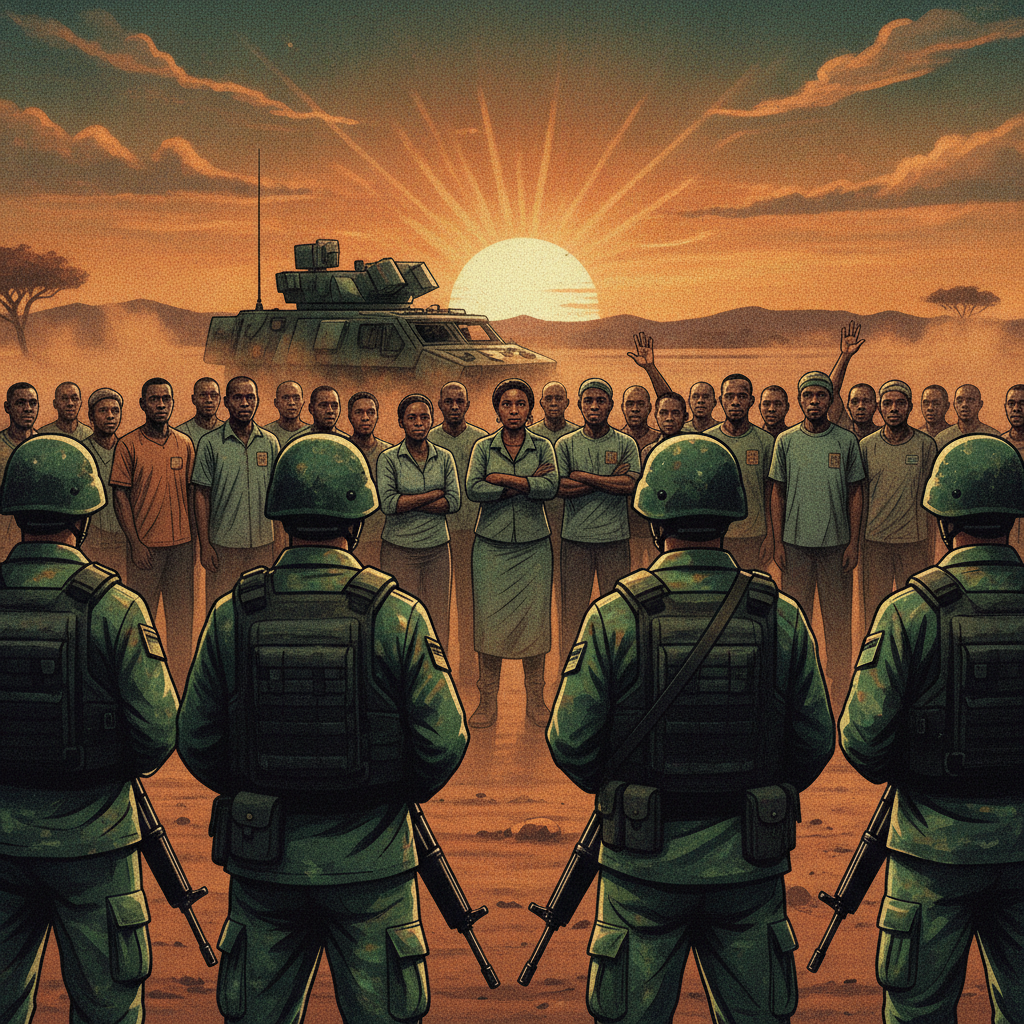
LUSAKA: The Zambia Army has told political commentators, social media users and the public to exercise "responsibility and restraint" when discussing the institution, in a statement signed by spokesperson Colonel Sydney Mwewa and dated 7 September 2026. The statement says the Army has "noted with concern" a rising tendency to draw the Defence Force into political discourse through commentary that misrepresents its constitutional mandate. It reaffirms that the Army's role is to defend Zambia's sovereignty and support civil authorities when lawfully called upon, not to take part in political contests. It also draws a line: legitimate criticism and public discussion are not unlawful, but deliberately publishing false, defamatory or misleading claims about the institution or its personnel "may attract appropriate legal consequences." **What prompted it** The statement did not name any individual or publication. But it lands roughly a week after an opinion piece, published under Fred M'membe's byline, directly named three officers (Lieutenant General Zyeele, Brigadier General Shapwaya and Major Kapumpa) and called for them to be "held strictly accountable" over the conduct of security forces during the August 2026 election period, including the raid on opposition leader Brian Mundubile's Kabulonga residence in which former minister Mutotwe Kafwaya died. That raid, and the wider post-election security operation that followed it, is the backdrop the Army's statement cannot be read apart from. In the weeks since the 13-14 August election, Zambian and international bodies have documented an expanding dragnet: eleven people facing non-bailable treason charges, businessman Harry Findlay charged with terrorism financing, lawyer Celestine Mukandila's immigration status placed under review, and Mundubile and running mate Makebi Zulu summoned by police after seeking UN refuge. That scale of state action is also why the UN Special Rapporteur on freedom of assembly, Gina Romero