Nakonde schools receive irrigation initiative funding
EDUCATIONBy Lusaka Times — Lusaka Times
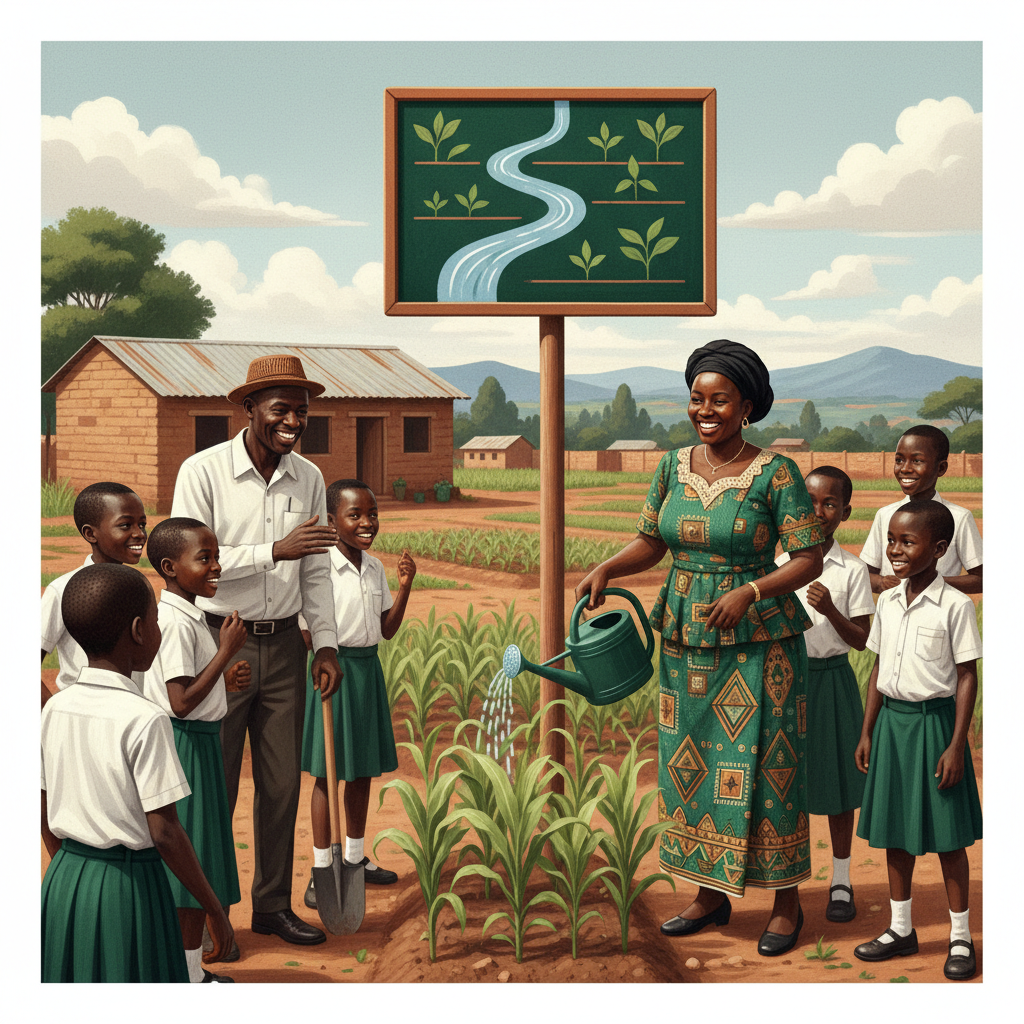
Four schools situated within the Nakonde district of Muchinga Province have officially received funding under the auspices of the Presidential Irrigation Initiative Programme (PIIP). This strategic intervention is primarily designed to promote long-term food security and cultivate sustainable operational models for learning institutions across the region by harnessing structured agricultural production. The rollout in Nakonde represents a critical component of the broader national push championed by the government to transition schools away from being solely resource-consuming entities. By integrating modern irrigation systems and agricultural practices into school environments, the program enables institutions to cultivate crops year-round, thereby shielding educational facilities from the vagaries of climate change and erratic rainfall patterns that have historically impacted Zambian agriculture. Local education authorities and agricultural extension officers are expected to collaborate closely to ensure that the funds are utilized effectively for infrastructure development, including the procurement of boreholes, solar-powered pumps, and efficient watering systems. Furthermore, the produce harvested from these school-managed fields will directly feed into the national school feeding program, ensuring that learners receive adequate nutritional support while simultaneously acquiring practical, hands-on competencies in modern farming and agribusiness management. This development comes at a time when the Zambian government is heavily prioritizing climate-smart agricultural frameworks across all ten provinces. Following severe weather disruptions in previous farming seasons, scaling up irrigation infrastructure at the grassroots and institutional levels has become an indispensable policy priority. Nakonde's inclusion highlights the decentralized nature of the initiative, ensuring that peripheral and border districts equally benefit from national developmental miles