BP no longer a disease associated with the older generation.
HEALTHBy Joseph Menyani Phiri — Lusaka Star
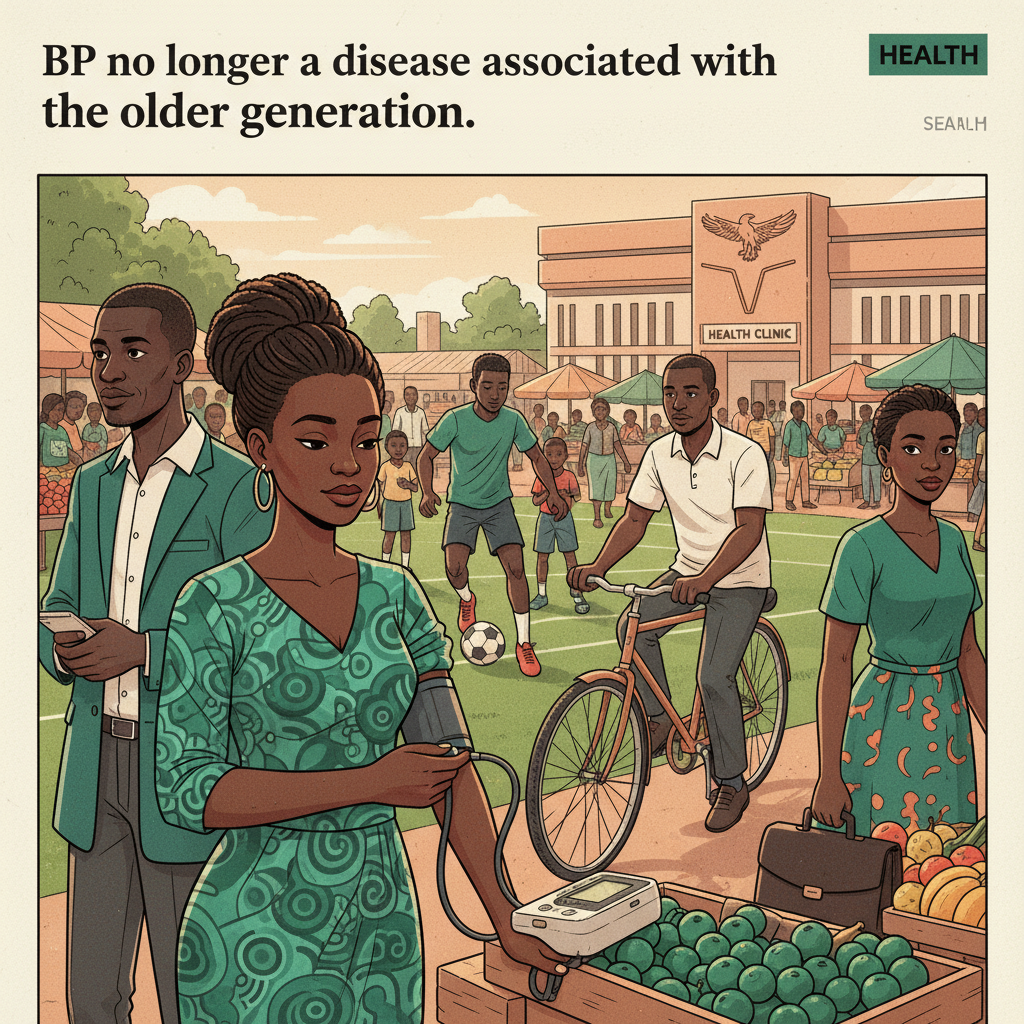
What was once universally considered a disease of old age is increasingly becoming a major health crisis among young people across Zambia. High blood pressure, commonly known as hypertension, is no longer affecting only the elderly. Growing numbers of youths in urban centers like Lusaka and the Copperbelt are being diagnosed with the condition, raising profound alarm among health practitioners, medical bodies, and government officials alike. Hypertension is a chronic medical condition in which the force of blood pushing against artery walls remains consistently high, forcing the cardiovascular system to overwork. Often dubbed the "silent killer," the condition rarely presents noticeable symptoms in its formative stages, allowing it to inflict severe, undetected damage. Medical authorities warn that if left untreated, hypertension dramatically accelerates the risk of catastrophic health events such as strokes, heart attacks, and permanent kidney failure. According to recent statistics highlighted by the Ministry of Health, approximately 34 percent of adults aged between 30 and 79 years are currently living with high blood pressure. Health professionals caution that this burden is expanding downward into younger cohorts. Medical for Quality Healthcare in Zambia (MQHZ) Director General Dr. Quince Mwabu attributes this troubling shift primarily to rapid urbanization, changing lifestyles, and modern dietary habits. The heavy consumption of ultra-processed fast foods laden with excess salt, sugar, and saturated fats has become a staple of contemporary youth culture. Compounding these dietary risks are sedentary habits marked by prolonged screen times, declining physical activity, and rising obesity levels. Furthermore, structural socio-economic pressures—including youth unemployment, academic stress, financial instability, and economic hardship—are fueling chronic psychological stress among young Zambians. Experts explain that persistent anxiety and elevated stress hor