ZANAMACA calls for informal sector focus
BUSINESSBy Lusaka Times — Lusaka Times
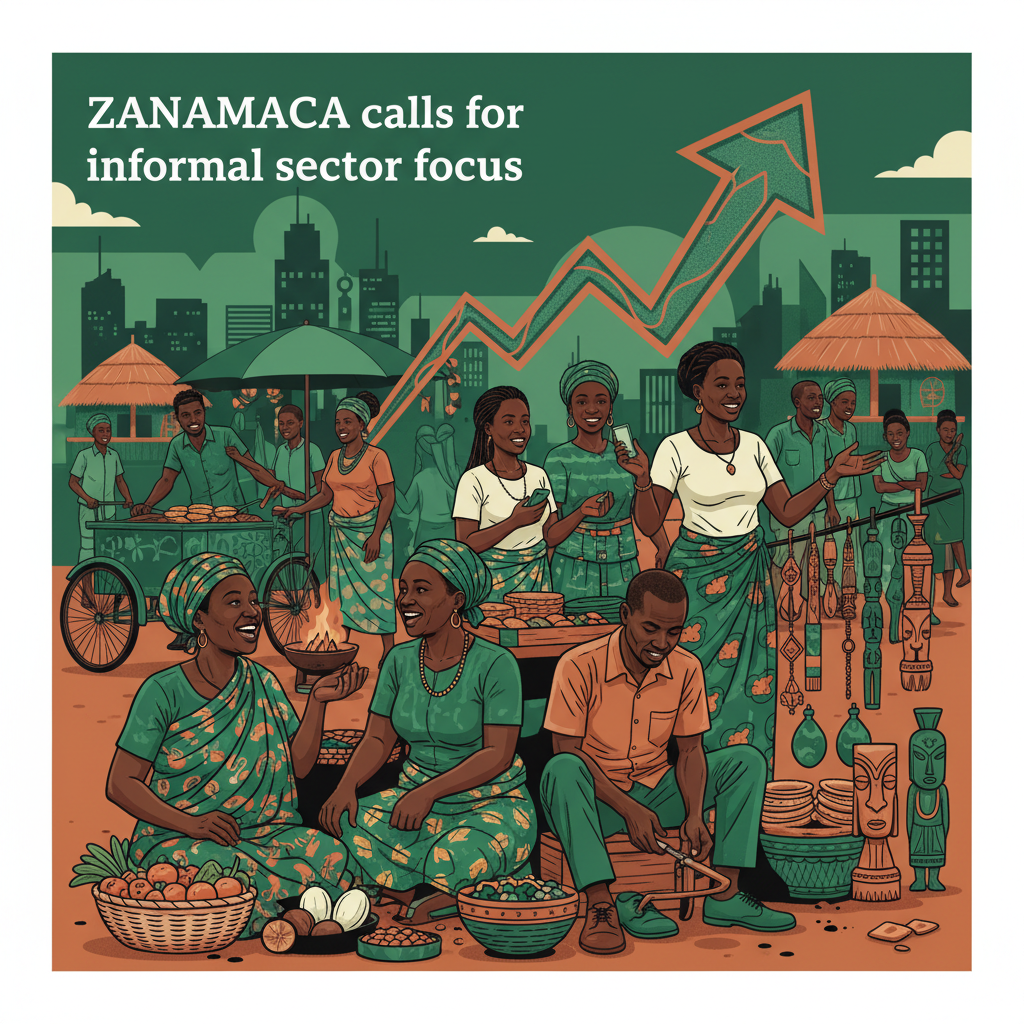
The Zambia National Marketeers Credit Association (ZANAMACA) has made a passionate appeal to President Hakainde Hichilema’s administration, calling for the informal sector to be placed at the absolute centre of Zambia's ongoing economic transformation agenda. Representing thousands of traders, marketeers, and small-scale entrepreneurs across the country, ZANAMACA stresses that sustainable national development cannot be fully realized without directly integrating and empowering the backbone of the domestic economy. In recent advocacy statements, leadership from the association noted that while various administrative steps have been taken over recent years to stabilize the macroeconomic environment, ordinary traders continue to face systemic structural hurdles. These include limited access to affordable credit, restrictive commercial banking requirements, and inadequate trading infrastructure at major municipal markets across provinces. ZANAMACA contends that shifting policy focus toward the informal economy will unlock massive untapped potential, generate localized employment, and bolster household resilience against external economic shocks. Economic analysts point out that the informal sector accounts for a substantial majority of total employment in Zambia, absorbing millions of youths and women who might otherwise remain economically disenfranchised. Despite its critical role in ensuring food security and daily commerce, operators in this space often struggle with high-interest microloans and a lack of formal recognition within mainstream financial planning. ZANAMACA's persistent lobbying seeks to bridge this gap by advocating for dedicated revolving funds, streamlined cooperative models, and active participation in local governance structures such as the Constituency Development Fund (CDF). Responding to these calls, various stakeholders have emphasized the need for a collaborative framework between financial institutions, local councils, and trader associati