Malawi fuel crisis deepens as oil shortages spread
WORLDBy Chimwemwe Padatha, Cai Nebe — DW (English)
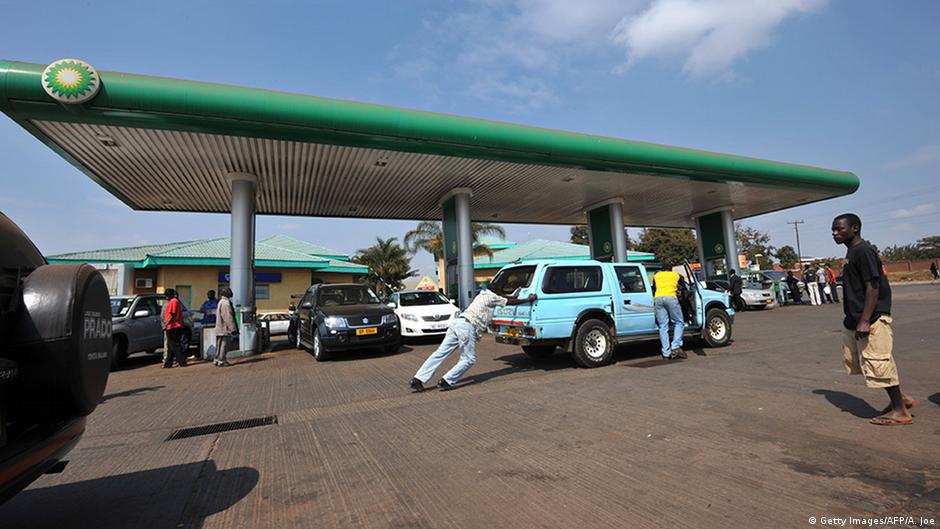
LUSAKA – Malawi is currently in the throes of a debilitating fuel crisis, a situation that has prompted drastic measures from its government, including the controversial sale of national gold reserves. The crisis, which analysts suggest is among the most severe on the African continent, has seen widespread fuel shortages despite official assurances that the country is not running out of petroleum products. This scarcity has brought daily life and economic activity to a near standstill, raising concerns about the nation's stability and its regional trade relations. Reports from Malawi indicate that long queues have become a common sight at the few filling stations that manage to receive supplies, often leading to frustration and sporadic unrest among citizens. The government's decision to liquidate gold reserves, a move typically reserved for dire economic emergencies, underscores the gravity of the situation. While this measure aims to secure immediate fuel imports, it raises questions about long-term economic sustainability and the depletion of strategic national assets. Economists in the region are watching closely, noting that such actions could set a precarious precedent for other commodity-dependent economies facing similar pressures. For Zambia, Malawi's immediate neighbour and key trading partner, the crisis presents both challenges and a degree of caution. While Zambia has largely maintained its fuel supply stability, the Malawian predicament highlights the vulnerabilities inherent in landlocked nations heavily reliant on imported petroleum. Disruptions in Malawi could potentially strain cross-border logistics and trade routes, impacting Zambian businesses involved in exports and imports through Malawi. There is also a concern that informal cross-border fuel trade could escalate, diverting supplies and creating additional pressures. The root causes of Malawi's fuel woes are multifaceted, stemming from persistent foreign currency shortages that hinder the