Mealie meal prices ease as Zambia’s maize surplus draws Kenyan demand
BUSINESSBy Zambian Observer — Zambian Observer
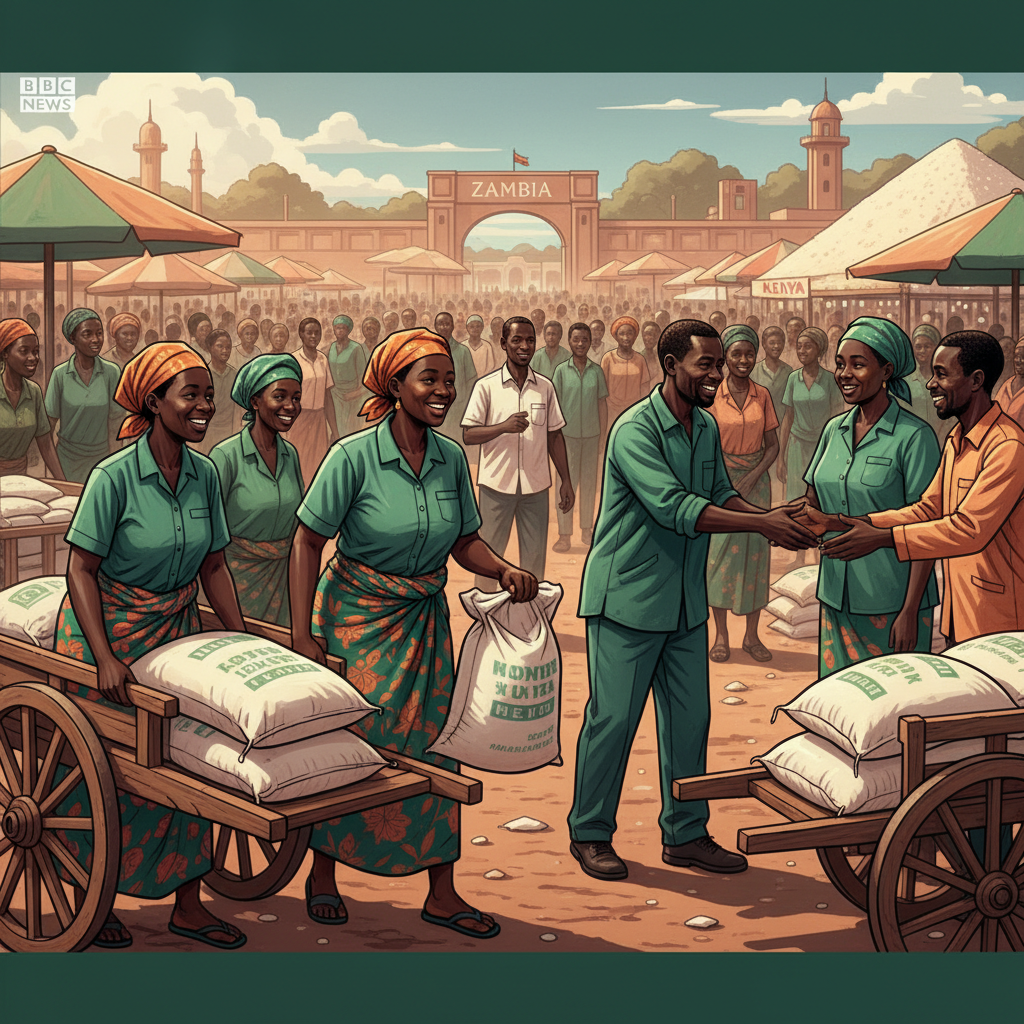
Zambia’s agricultural landscape is experiencing a welcome shift as increased grain supplies drive down the cost of mealie meal, the nation’s essential staple food. Following recent crop forecast surveys pointing toward a substantial recovery and surplus in national maize production, retail prices for both breakfast and roller meal have begun a notable downward trend across major trading hubs. Consumers who weathered extended periods of high food inflation and supply jitters are finally seeing much-needed relief at retail outlets, where 25-kilogram bags are trading at significantly more accessible price points. This stabilization of domestic prices has not gone unnoticed beyond Zambia’s borders. Regional neighbors facing production deficits and weather-induced shortfalls have cast their eyes toward Lusaka's grain reserves. Notably, Kenyan authorities have engaged in bilateral arrangements to secure potential maize imports from Zambia to reinforce their Strategic Grain Reserves. This cross-border demand highlights Zambia’s strategic position as a vital food security anchor within the Common Market for Eastern and Southern Africa (COMESA) region, demonstrating its capacity to feed its own populace while supporting neighboring nations during times of agricultural distress. However, this export potential brings complex policy challenges for local regulators and stakeholders. Agricultural economists and representatives from the Millers Association of Zambia have emphasized the need for cautious management of the surplus. While regional exports offer lucrative opportunities for commercial farmers and can boost foreign exchange earnings, they must be balanced against domestic food security imperatives to prevent artificial shortages or sudden price spikes at home. Authorities are closely monitoring grain movement, ensuring that high-moisture grain is managed properly and that export permits align strictly with verified national surplus thresholds. For smallholder farmers