CLIMATE SCIENTISTS WARN OF DRIER THAN NORMAL RAIN SEASON
ENVIRONMENTBy Zambian Observer — Zambian Observer
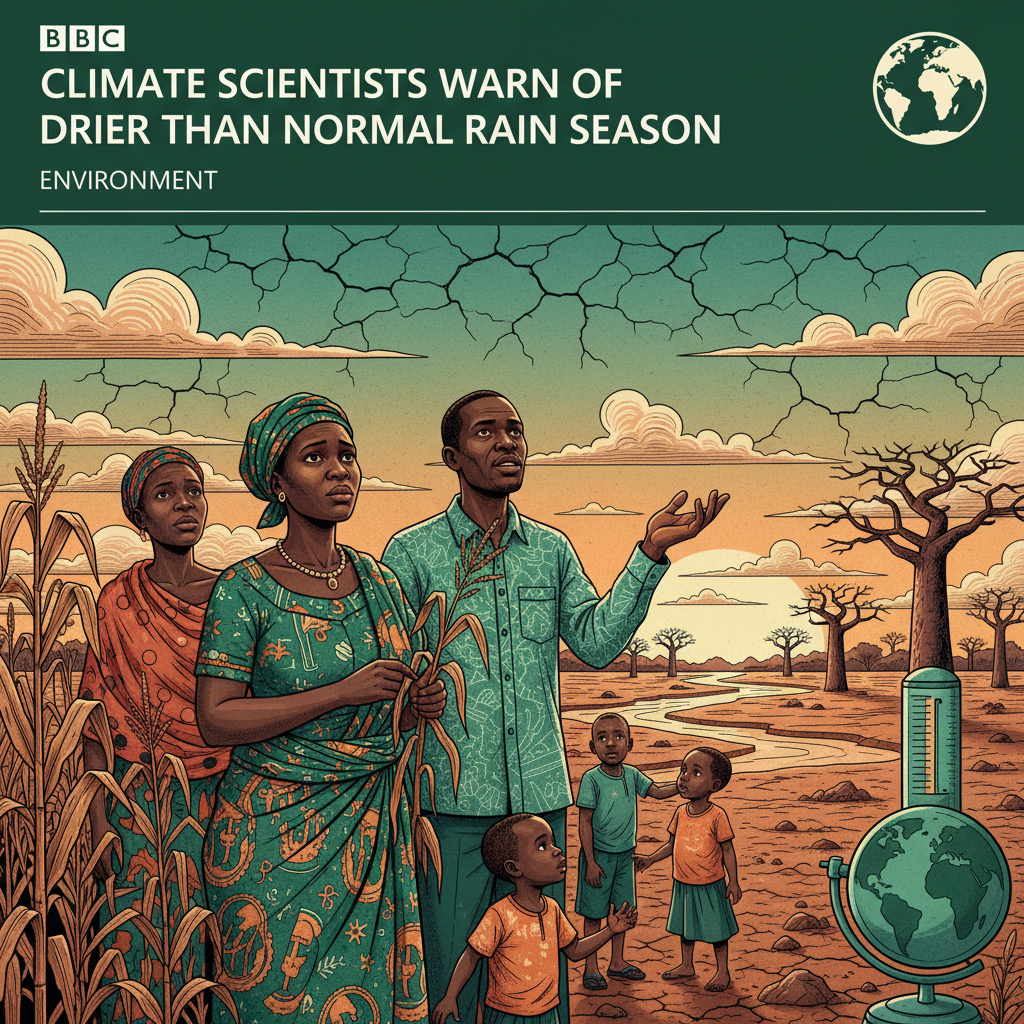
As communities across the region look ahead to the rainy season, climate scientists have issued a sobering warning that much of Southern Africa, including southern Zambia, faces a high likelihood of drier-than-normal conditions. The anticipated weather anomaly threatens to disrupt traditional agricultural cycles and exacerbate existing vulnerabilities linked to climate variability. For a nation where rain-fed subsistence farming remains a cornerstone of rural livelihoods, any significant shortfall in precipitation spells profound economic distress. Agricultural experts and extension officers are already urging farming households to adopt climate-resilient practices, such as planting drought-resistant crop varieties and implementing efficient water harvesting techniques. The memory of previous dry spells and localized droughts remains fresh in the minds of many smallholder farmers, who bore the brunt of reduced crop yields and subsequent food price volatility. Without proactive intervention, a sub-par rainfall season could severely compromise national food security reserves. Beyond agriculture, the looming dry conditions present a critical challenge for Zambia's energy sector. The country's heavy reliance on hydroelectric power, particularly from major generation facilities along the Zambezi River basin, leaves it acutely exposed to fluctuating water levels. Reduced inflows into critical reservoirs could trigger a resurgence of intensive load-shedding, choking industrial productivity, commercial enterprises, and domestic routines alike. Policymakers and disaster management units are under increasing pressure to scale up early warning systems and coordinate robust mitigation strategies. Stakeholders across both public and private sectors must collaborate to ensure that contingency plans are adequately funded and rapidly deployed to vulnerable districts. Mitigating the potential fallout of a suppressed rainfall season demands a unified, proactive national response.