Infidelity in marriage is often discussed
LIFESTYLEBy Daily Nation Zambia — Daily Nation Zambia
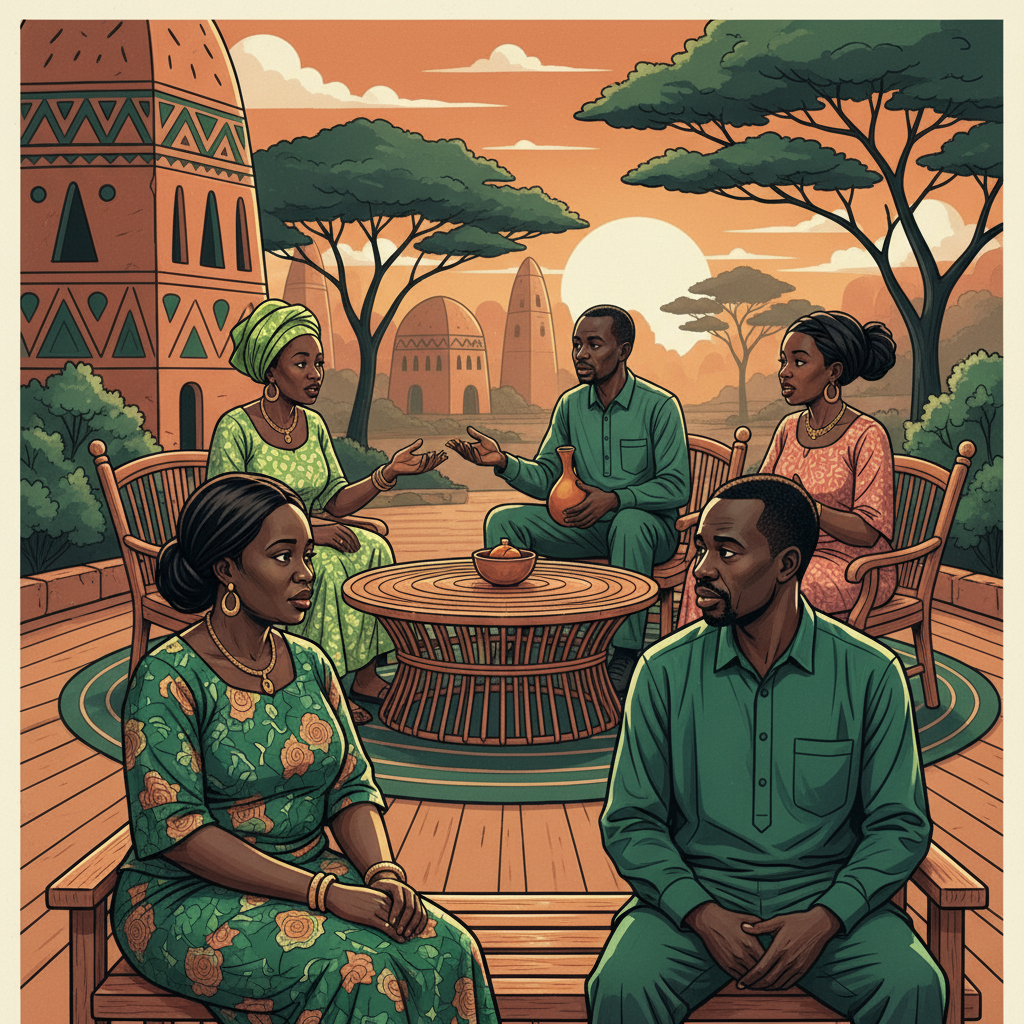
Infidelity in marriage is often discussed in terms of betrayal, broken trust and emotional pain. But there is another, less visible form of control that can exist alongside it: financial exclusion. Coexisting quietly within troubled unions, the restriction of economic resources or transparency often serves as a subtle instrument of power, leaving dependent partners with fewer options when marital crises arise. Across urban and rural communities in Zambia, the intersection of money and marital fidelity remains a deeply sensitive subject. Traditional expectations frequently place financial stewardship primarily in the hands of one partner, which can inadvertently create environments ripe for economic marginalization. When a spouse is kept in the dark about household income, investments, or debt, breaking the bonds of trust becomes more than an emotional wound—it transforms into an existential crisis of survival. Relationship counselors and legal experts in Lusaka note that financial dependency often compels individuals to endure toxic or unfaithful relationships longer than they otherwise would. The fear of destitution, combined with social pressures and the challenges of securing independent housing or legal recourse, creates a formidable barrier to leaving. Consequently, economic leverage is wielded, intentionally or not, to maintain compliance and suppress dissent within the home. Addressing these complex dynamics requires shifting cultural conversations beyond traditional morality to encompass economic transparency and empowerment. Financial literacy programs and legal advocacy groups increasingly emphasize the necessity of joint financial planning and independent earning capacities for both partners. Ensuring that individuals possess economic agency is vital not only for reducing vulnerability to abuse and infidelity but also for fostering genuine equity within modern Zambian marriages.